
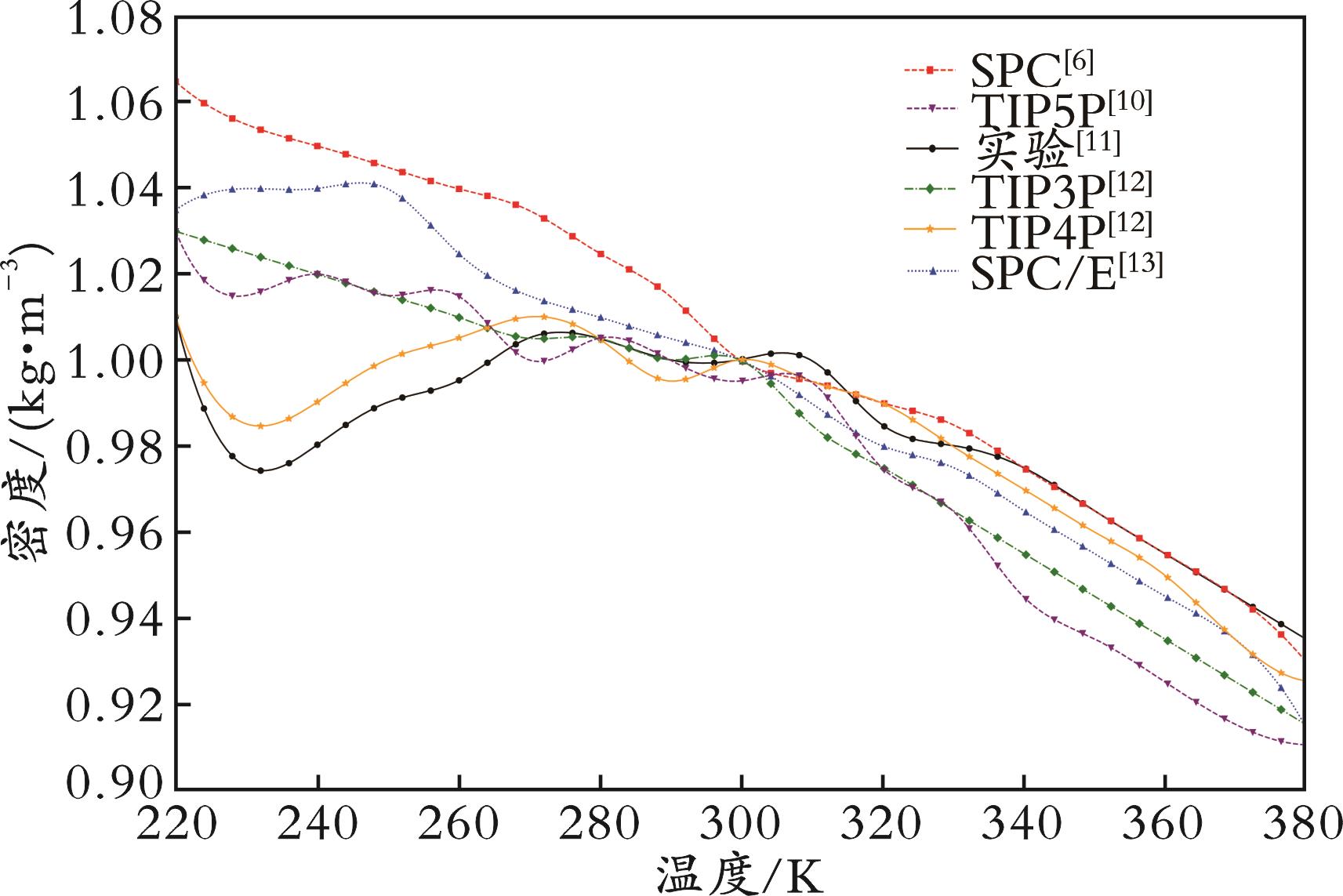
This review examines advancements in potential functions for hydrate⁃bearing sediments, analyzing the evolution of single⁃phase optimization, multiphase interface parameter correction, and machine learning integration methodologies to elucidate how parameterization strategies regulate multiphysics simulation accuracy. Current potential functions face challenges in extreme temperature⁃pressure adaptability,multiphase parameter compatibility,computational efficiency⁃accuracy balance,and experimental validation. Future research should focus on developing extreme⁃environment adaptive multiphase potential function systems, constructing multi⁃physics coupling models integrating traditional force fields with machine learning potentials, and establishing experimental⁃simulation collaborative validation frameworks. to provide multi⁃scale theoretical support from atomic mechanisms to reservoir responses for safe hydrate exploitation.
Boric acid is an important chemical raw material, and the development of its lamellarization technology is crucial for enhancing its performance and broadening its application fields. In this study, based on the boric acid solution system purified by resin (LSI⁃020/010), the innovative introduction of sodium sulfate (Na2SO4) and magnesium sulfate (MgSO4) successfully induced the directional growth of boric acid crystals into a lamellar structure. The morphology characteristics of boric acid after additive incorporation was characterized using SEM. The effects of the introduction of MgSO4/Na2SO4 addition under weakly acidic conditions on the solubility of boric acid solution and the growth of crystal faces were analyzed by combining the COSMO⁃RS model and XRD. The interaction between MgSO4/Na2SO4 and boric acid crystals, as well as its impact on the B-O bond energy, was investigated using in⁃situ Raman spectroscopy. The results showed that boric acid exhibits a typical lamellar morphology after additive incorporation. The introduction of MgSO4/Na2SO4 under weakly acidic conditions significantly reduced the solubility of boric acid, promoting preferential crystal growth along the (002) and (004) planes. Moreover, the weak interaction between MgSO4/Na2SO4 and boric acid crystals reduces the B-O bond energy, which drove the growth of boric acid crystals towards lamellarisation. This study not only establishes a new boric acid lamellarization technology, but also elucidates the crystal growth mechanism at the molecular level, providing theoretical support for functionalized crystal engineering.

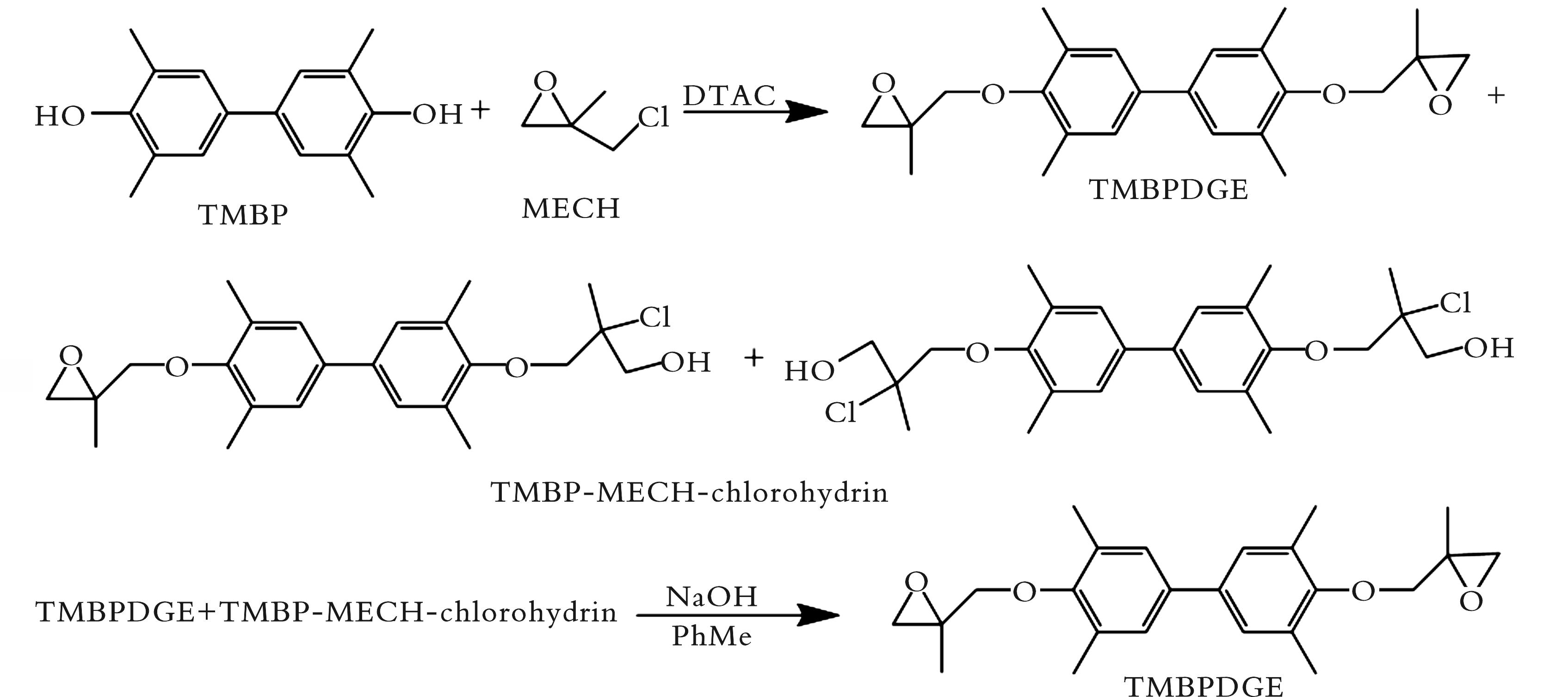
Using 3,3′,5,5′⁃tetramethylbiphenol (TMBP), 2⁃(chloromethyl)⁃1,2⁃epoxypropane (MECH), and sodium hydroxide as raw materials, a biphenyl⁃type epoxy resin (3,3′,5,5′⁃tetramethylbiphenyl bisphenol dimethyl glycidyl ether) was synthesized by a two⁃step method. The biphenyl⁃type epoxy resin with relatively low chlorine mass fraction was obtained by removing residual inorganic chlorine in the product using an anion exchange resin. The structure and properties of the samples were characterized using FTIR, 1H NMR, DSC, HPLC, and a rotational rheometer. The influence of different raw material ratios, reaction temperatures, and reaction times on the product yield was investigated through orthogonal experiments. The results show that when the raw material ratio is n(TMBP)/n(MECH)=1.0∶10.0, the reaction temperature in the first stage is 90 ℃, the reaction temperature in the second stage is 80 °C, n(NaOH)/n(TMBP)=2.1∶1.0, and the reaction time in both stages is 4 h, within the selected experimental range, this process condition is relatively optimized. The effective substance mass fraction of the obtained sample is above 85%, the measured epoxy value is 0.5 eq/(100 g), which is relatively close to the theoretical value. The resin exhibits a low melt viscosity of 0.12 Pa·s at 150 ℃, making it suitable for applications such as epoxy encapsulation.
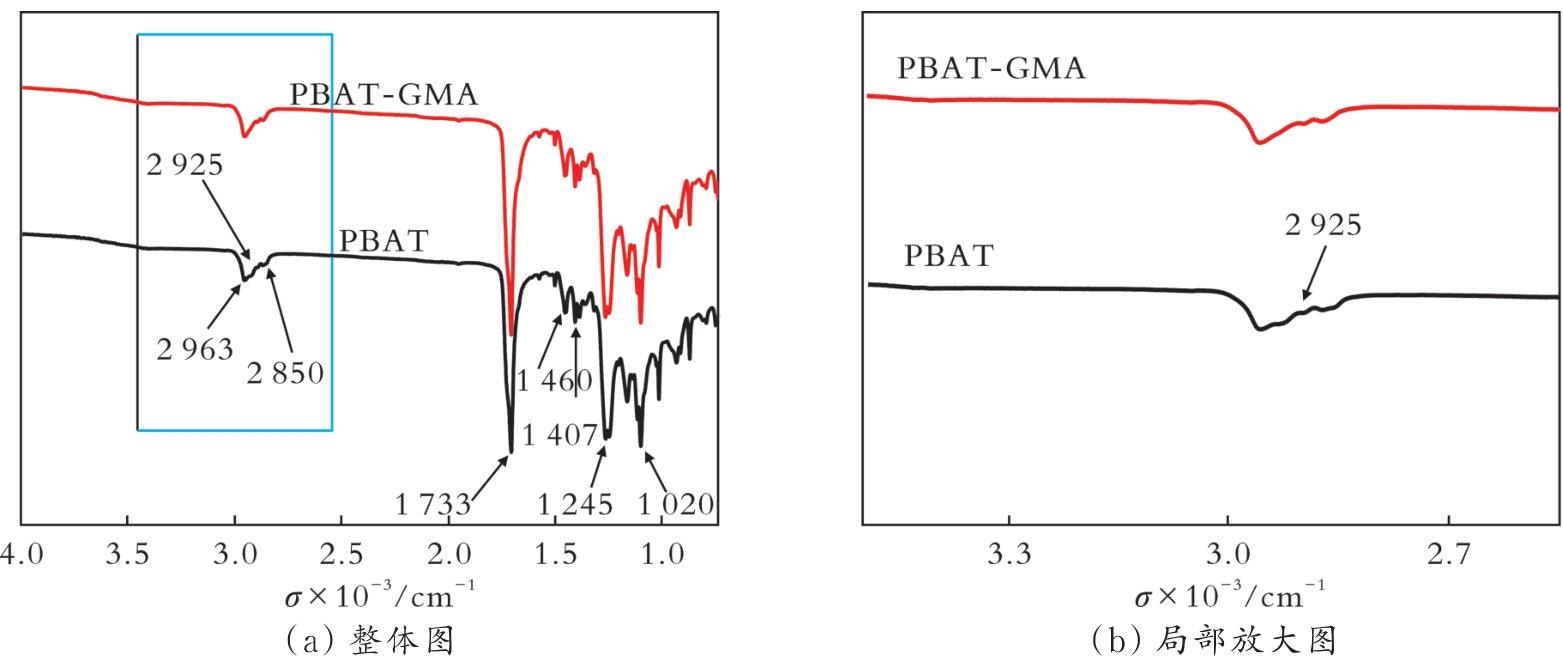
Poly(adipate⁃butylene terephthalate) (PBAT) was grafted with glycidyl methacrylate (GMA) to prepare PBAT⁃GMA, which was subsequently blended with PBAT and poly(lactic acid) (PLA) to obtain PBAT/PBAT⁃GMA/PLA blends. The effects of PBAT⁃GMA content on the mechanical properties, micromorphology, barrier properties, and degradability of PBAT/PBAT⁃GMA/PLA films were systematically studied. The results indicate that increasing the mass fraction of PBAT⁃GMA significantly enhanced the mechanical properties of the films. When the mass fraction of PBAT⁃GMA is 15%, the tensile strength increased from 15.28 MPa (longitudinal) and 12.51 MPa (transverse) without PBAT⁃GMA to 25.61 MPa (longitudinal) and 19.59 MPa (transverse), respectively. Similarly,the elongation at break improved from 109.23% (longitudinal) and 141.32% (transverse) to 217.63% (longitudinal) and 311.22% (transverse). It demonstrates that the incorporation of PBAT⁃GMA effectively enhanced the compatibility between PBAT and PLA,thereby improving the mechanical properties of the blend. Moreover, with higher PBAT⁃GMA content, the barrier properties of PBAT/PBAT⁃GMA/PLA films were also significantly improved.However,the degradation rate of PBAT/PBAT⁃GMA/PLA films decreased slightly with the increase of PBAT⁃GMA mass fraction, indicating that the durability of the materials was improved.
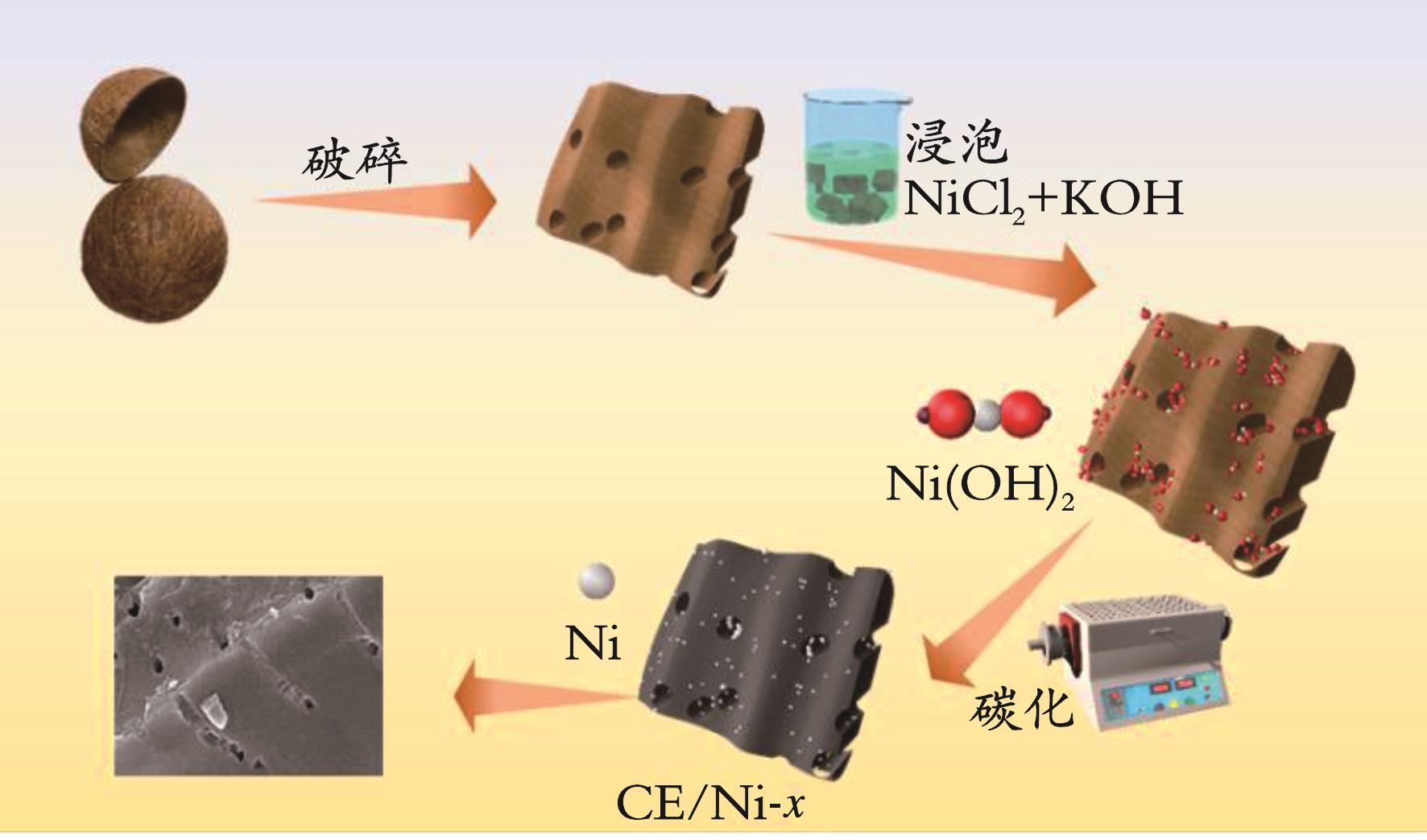
Electromagnetic wave absorbing materials can dissipate energy by converting electromagnetic energy into thermal energy. Therefore, they are widely used in communication and military fields. Due to the environmental pollution and high costs associated with chemically synthetic composite materials,biomass⁃derived carbon materials have emerged as a prominent research focus.Given the intrinsic adsorption capacity of carbon, coconut shell biomass was selected as a precursor. A carbon/nickel composite absorbing material, designated as CE/Ni⁃x (where x denotes the immersion time in hours), was successfully synthesized via an in⁃situ growth and high⁃temperature reduction method with varying mass fractions of nickel oxide.The composite absorbing material was characterized and tested using an X⁃ray diffractometer, scanning electron microscope, and vector network analyzer.The results show that CE/Ni⁃7 exhibits absorption characteristics in both high⁃ and low⁃frequency bands, with a minimum reflection loss (RLmin) value of -30.05 dB.Furthermore, by adjusting the immersion time, effective absorption can be achieved in the 2.7-18.0 GHz frequency band (reflection loss lower than -10 dB). This research demonstrates a viable route for the low⁃cost, controllable synthesis of dual⁃band (low frequency/ high frequency) electromagnetic wave absorbing materials.
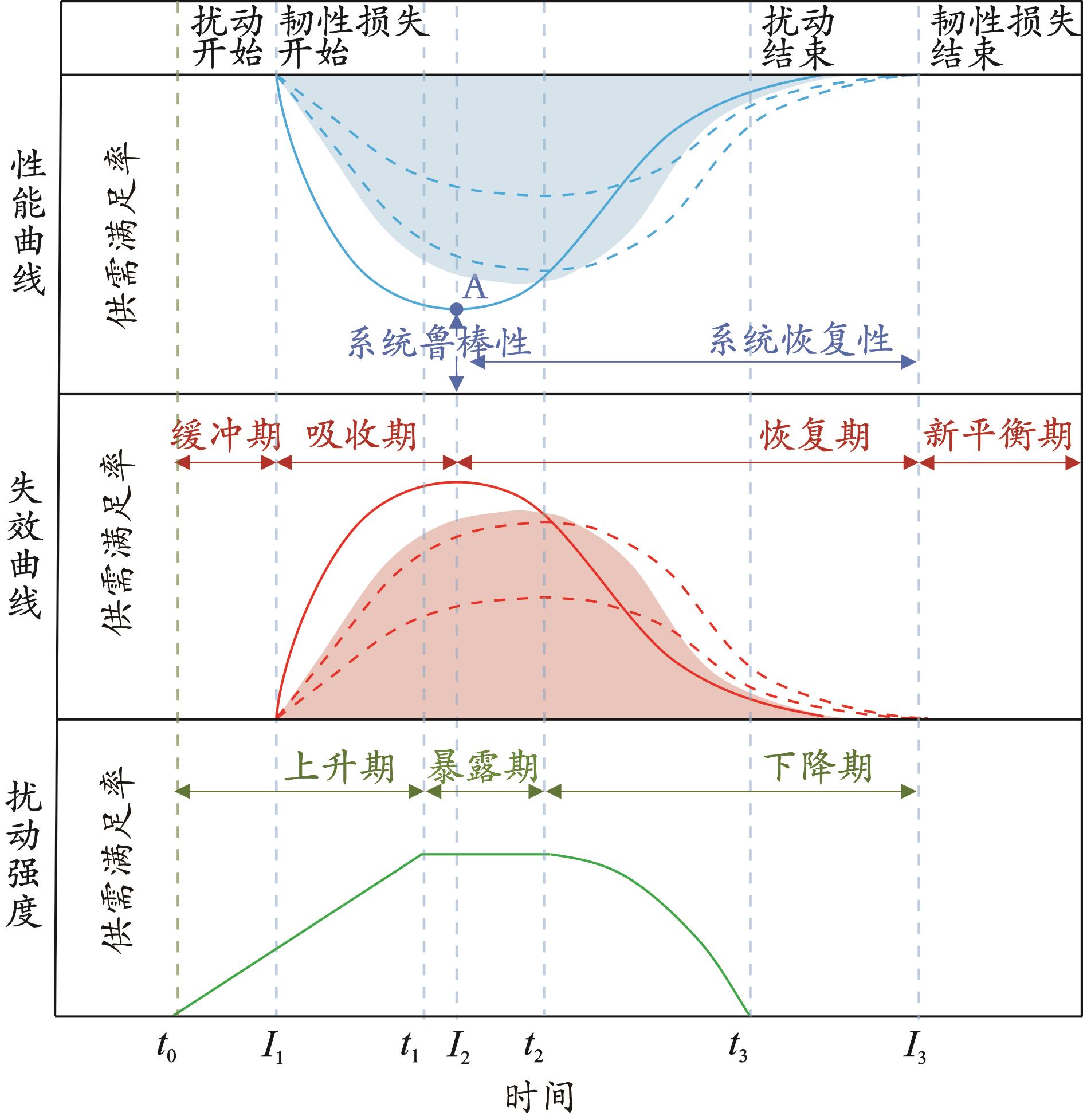
Based on provincial⁃level administrative units, this study integrates key parameters such as regional consumption intensity, reserve capacity, and pipeline network connectivity to construct a regional crude oil supply model that encompasses the entire three⁃tier structure of "reserves⁃pipeline network⁃refining". The model simulates the supply⁃demand satisfaction rate of the system relying solely on domestic crude oil reserves under a complete import disruption scenario, covering the entire process of "resistance⁃exposure⁃recovery⁃collapse". Based on the simulation results, "supply⁃demand satisfaction rate⁃time" performance curves are generated, from which dynamic resilience indicators⁃including exposure duration, recovery speed, and minimum performance level⁃are extracted. Comparative analysis of the performance curves reveals significant provincial disparities in system resilience, manifesting as five distinct response patterns: stable operation, pulse recovery, exposure recovery, early stability followed by collapse, and short⁃term recovery followed by collapse. System resilience is primarily driven by the synergy between total consumption and reserve capacity, while the pipeline network plays a critical role in regulating crude oil redistribution during disruption events. The regional crude oil supply model effectively captures the dynamic evolution of system functionality under complete import disruption, overcoming the limitations of traditional static indicator⁃based assessments. The findings highlight pronounced regional disparities in China's crude oil supply system and provide actionable guidance for designing differentiated emergency response mechanisms, optimizing reserve deployment, and enhancing pipeline network structures, thereby improving national crude oil security.
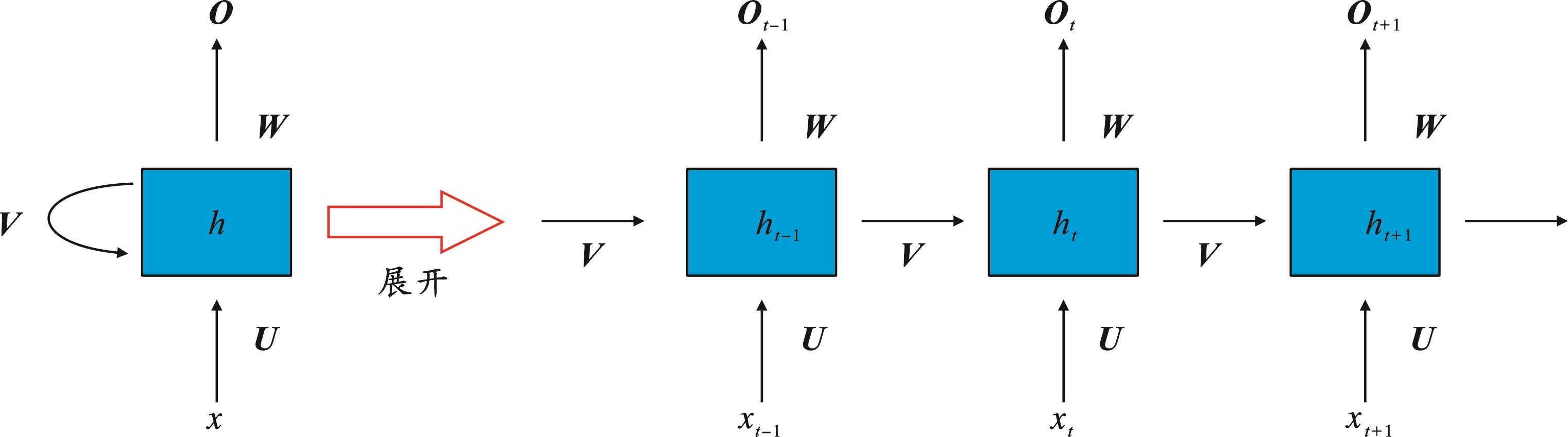
Addressing the challenge of inaccurate fault diagnosis caused by the strong interference of vibration signal noise and the dependence of feature extraction on manual design in the fault diagnosis of rotating machinery bearings, this paper proposes a physics⁃informed attention Transformer model that integrates bearing dynamics mechanisms with the Kolmogorov⁃Arnold Network (KAN). First, based on Hertz contact theory, the characteristic fault frequency equations for the bearing inner ring, outer ring and rolling element are derived, and the frequency⁃domain mask⁃guided attention mechanism is constructed to focus on the fault⁃sensitive frequency band; Second, the Kan⁃Transformer architecture is designed to adaptively analyze the time⁃frequency characteristics of vibration signals through the multi⁃scale decomposition ability of Kan, and realize the long⁃range dependence modeling combined with the Transformer's global attention; Finally, the proposed model is evaluated using the Case Western Reserve University (CWRU) bearing data set. Experiments show that the accuracy of the model is 99.75%, which is significantly better than the traditional model. It provides a high⁃precision, robust and physically interpretable solution for bearing fault diagnosis of rotating machinery.
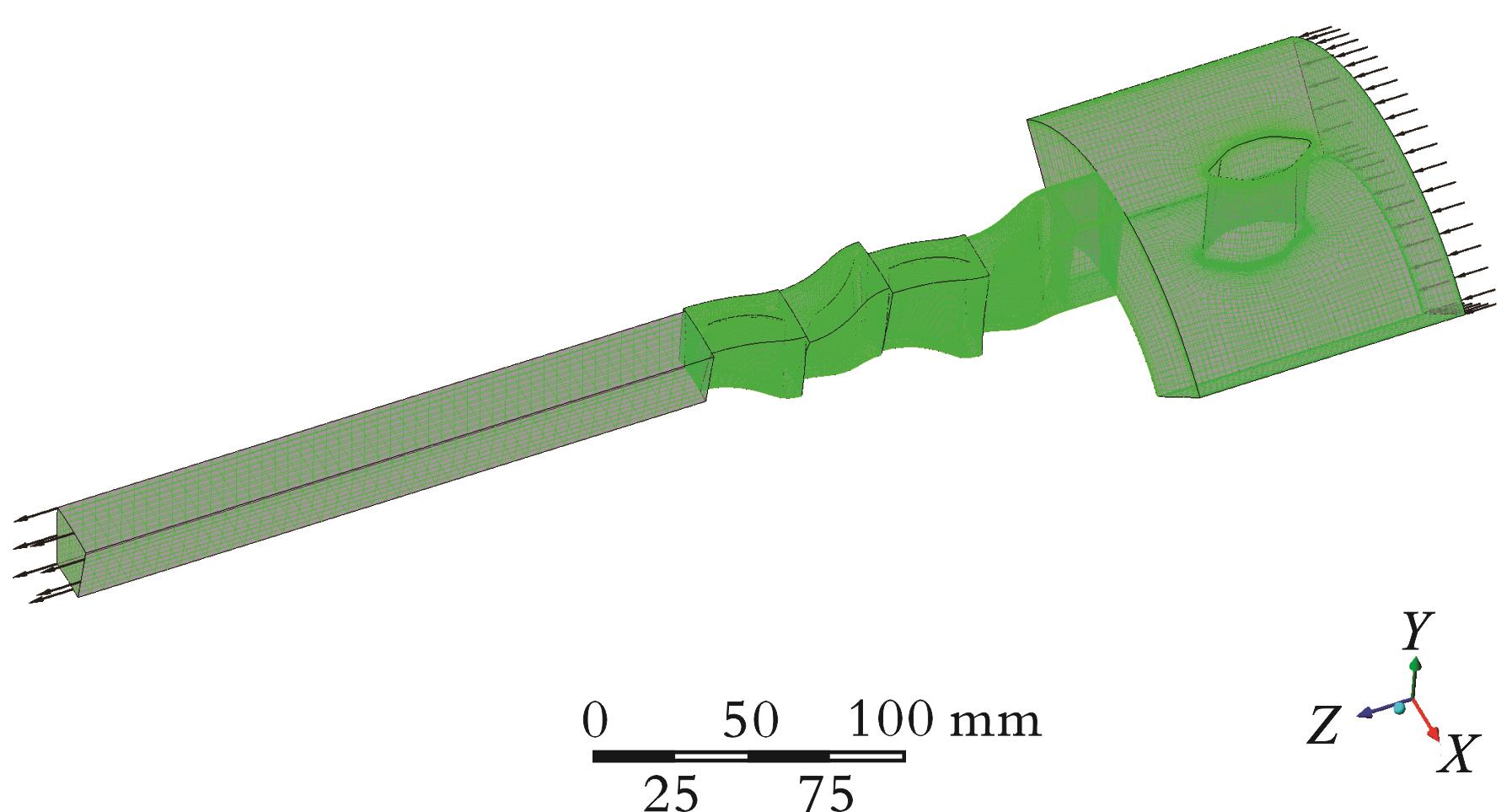
In order to obtain the dynamic stress of the compressor rotor blades under periodic unsteady aerodynamic interference with reduced computational resources and time, an innovative method combining sectional boundary conditions with parameter design language was employed. This method enables rapid harmonic response calculations based on a complete mapping of the aerodynamic load distribution on the blades.Using this approach, the dynamic stress on the rotor blade surfaces was analyzed under varying pressure ratios and rotational speeds.The results indicate that the proposed rapid harmonic response method can accurately determine the dynamic stress on rotor blades. The dominant frequencies of the dynamic stress fluctuation peaks are harmonics of the rotor⁃stator interaction frequency, primarily the first, second, and third orders. As the pressure ratio increases, the dynamic stress on the blades gradually decreases, while the dominant frequency remains essentially unchanged; conversely, as the rotational speed increases, the dynamic stress on the blades gradually increases, and the dominant frequency correspondingly increases. The research findings provide support and reference for the analysis of dynamic stress on rotor blades of axial compressors subjected to periodic dynamic⁃static interference.
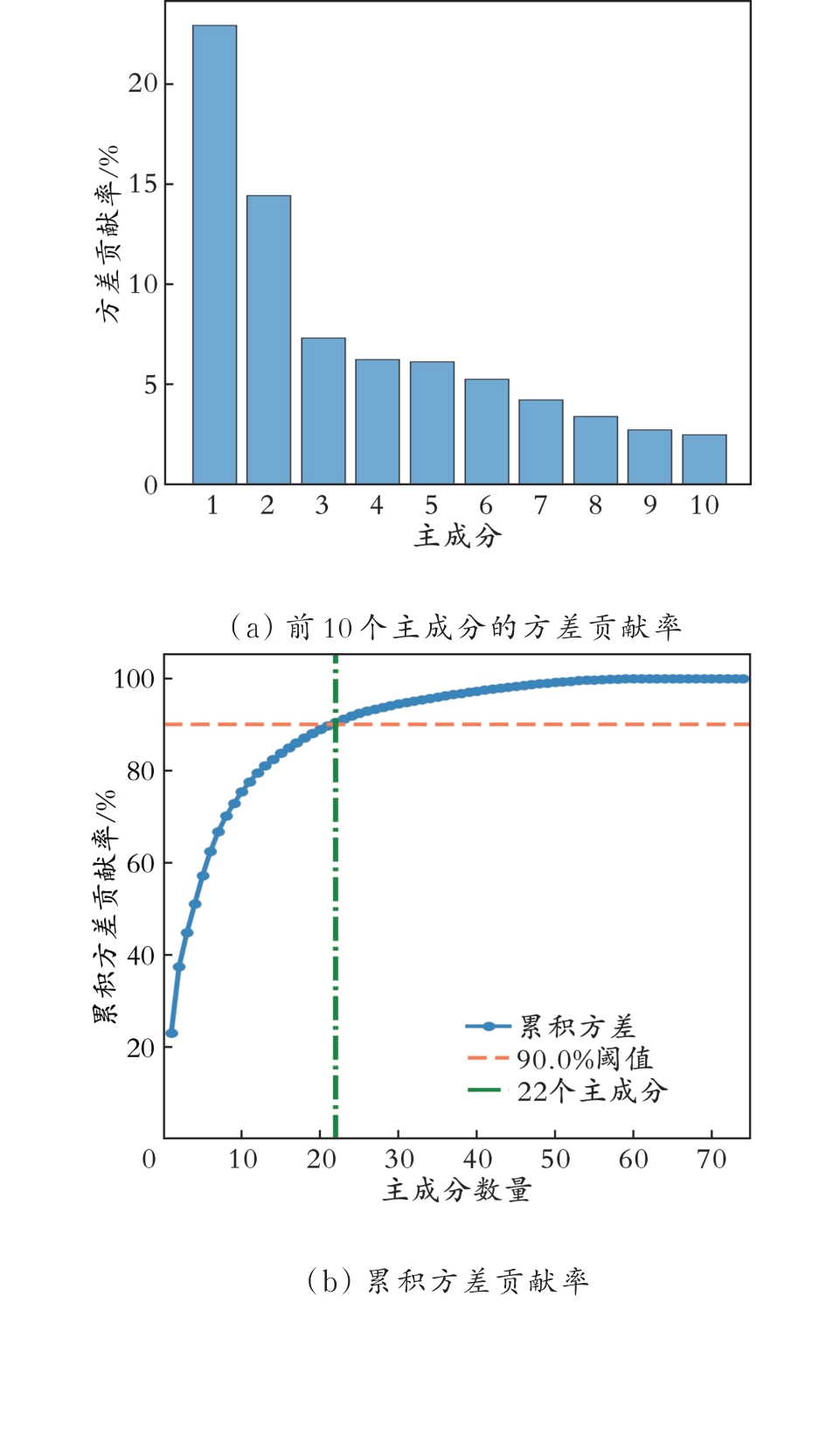
To address the low efficiency in developing catalysts for CO2 hydrogenation to methanol, this study constructs and validates an intelligent performance prediction model based on large language model (LLM) and deep learning. First, a Large Language Model (LLM) to design structured prompts, achieving semi⁃automated and high⁃efficiency extraction of multi⁃dimensional catalyst data from literature. Subsequently, a Wasserstein Generative Adversarial Network with Gradient Penalty (WGAN⁃GP) is employed to augment the sparse original dataset, effectively overcoming the bottleneck of data scarcity. Following data cleaning, feature engineering, and dimensionality reduction, a hyperparameter⁃optimized Multi⁃Layer Perceptron (MLP) is constructed as the prediction model. The results show that the optimized MLP model achieves high prediction accuracy on an independent test set, with R² values for CO2 conversion and methanol selectivity reaching as high as 0.972 3 and 0.969 3, respectively. SHAP⁃based feature analysis reveals that BET surface area and Cu⁃based catalysts are the dominant factors affecting catalytic performance, and also uncovered the unique dependency of In⁃based catalysts on metal content. This data⁃driven model, integrating LLM and WGAN⁃GP, provides a powerful tool for the rapid screening and rational design of novel catalysts, demonstrating the great potential of AI in catalysis research.
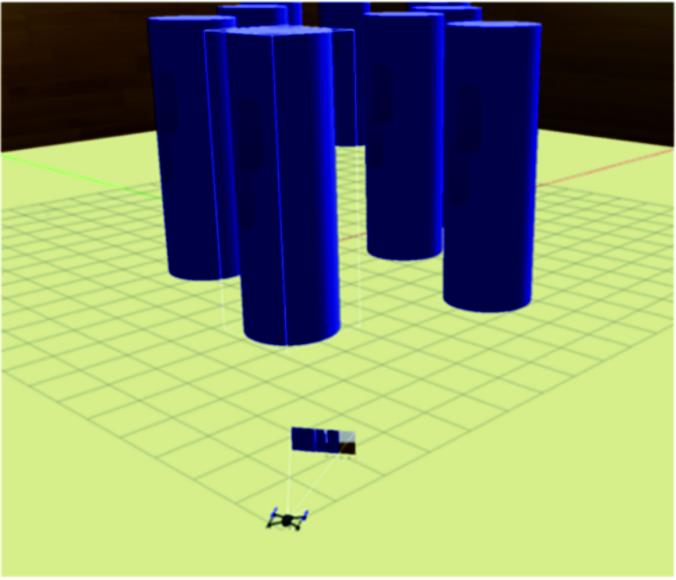
Navigation and obstacle avoidance are critical for the successful completion of UAV tasks. However,traditional autonomous flight systems face limitations in complex environments,prompting researchers to explore alternative frameworks such as deep reinforcement learning (DRL). This paper proposes a novel DRL⁃based autonomous control algorithm for UAVs,which integrates the Deep Deterministic Policy Gradient (DDPG) algorithm to self⁃learn an optimal Proportional⁃Integral⁃Derivative (PID) controller.The performance of the proposed algorithm is evaluated through simulations in the Gazebo 3D robotic simulator to validate its effectiveness under complex conditions. Results indicate that the proposed method outperforms numerous existing methods in dynamic environments,particularly in terms of improved stability, faster response speed,and higher success rates.
Website Copyright © Editorial Department of Journal of Liaoning Petrochemical University
Address: No. 1, west section of Dandong Road, Wanghua District, Fushun City, Liaoning Province Tel:024-56865105 E-mail:lnxuebao@126.com Zip Code:113001
The system is designed and developed by Beijing magtec Technology Development Co., Ltd.