
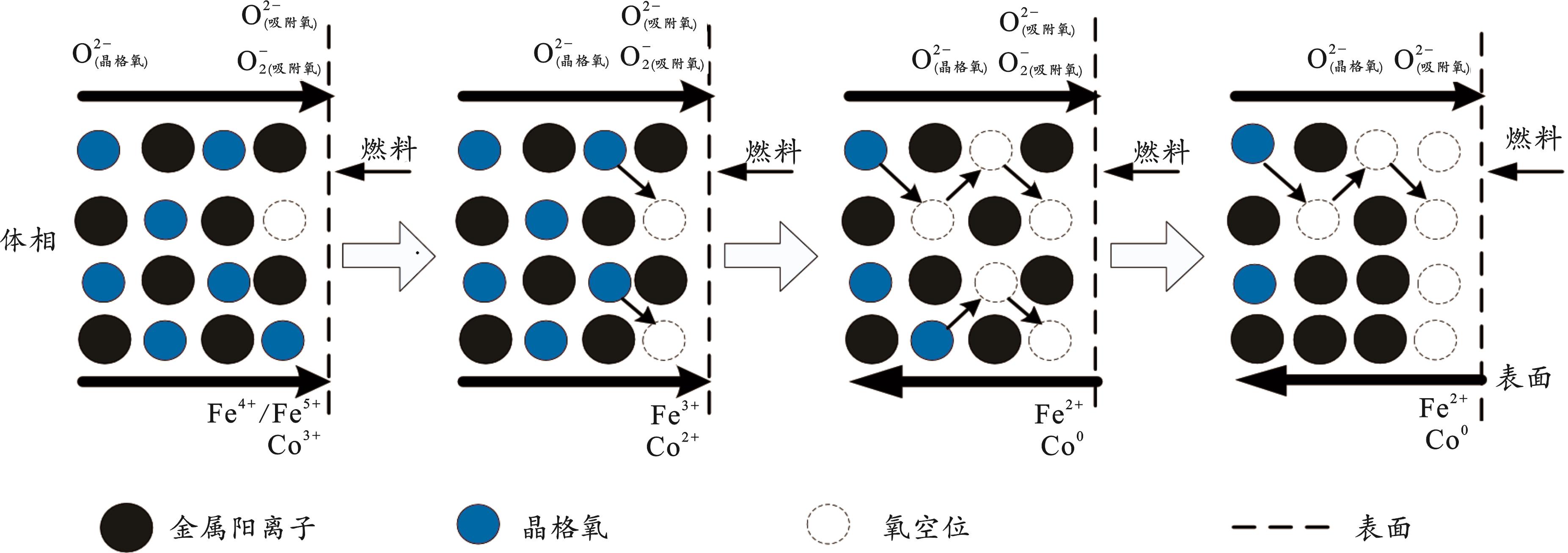
Driven by the global energy transition and China's dual?carbon goals, clean and efficient utilization of carbonaceous energy has emerged as a core research hotspot in the energy field. Chemical looping gasification (CLG) technology, characterized by low carbon capture cost, high energy conversion efficiency and minimal pollutant emissions, offers a promising route for converting carbonaceous fuels into high?value syngas. This paper focuses on the application of chemical looping technology in syngas production from carbon?containing energy sources. It reviews the research progress in this field, compares it with conventional gasification processes, and summarizes the reaction mechanisms of chemical looping gasification and oxygen carriers. Compared with conventional processes, the unique advantages of syngas production by chemical looping technology are analyzed: the carbon conversion rate of coal chemical looping gasification is as high as 83.79%; the H2/CO volume ratio of petroleum coke chemical looping gasification is approximately 5 times that of conventional gasification, and it can also achieve CO2 capture; biomass chemical looping gasification can be realized at a relatively low temperature and can produce pure H2 without gas separation.
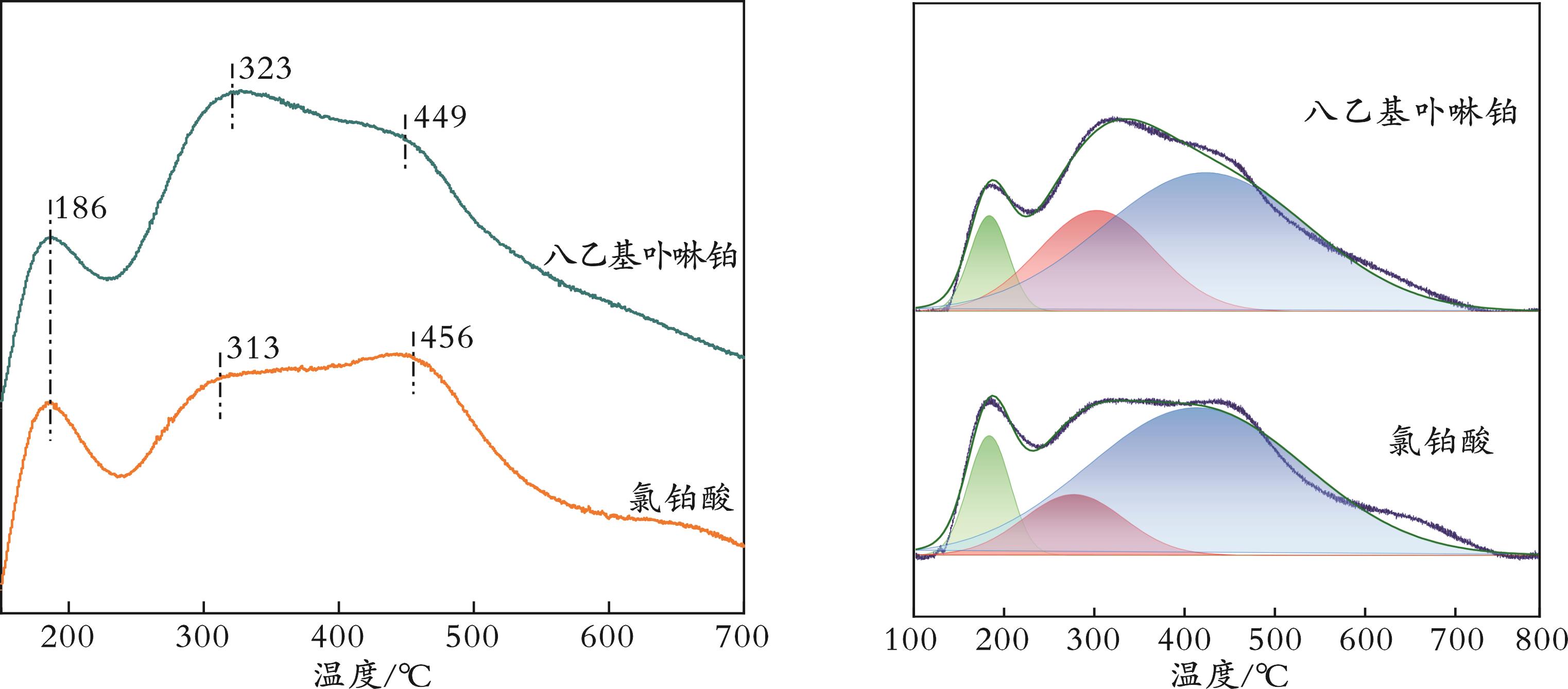
The activity of PtSn/Al2O3 catalyst has a significant impact on the activity and stability of propane dehydrogenation catalysts. To address the issues of easy migration and agglomeration of the active component Pt, which make it difficult to maintain high dispersion, the active phase of the catalyst was regulated by changing the precursor of the active component Pt, and its effect on the propane dehydrogenation performance was investigated. Characterization and analysis of the active phase and carbon deposition resistance of the catalyst were carried out using TEM, H2?TPR, TG, and Raman techniques. The results showed that under conditions with similar propane conversion rates, the selectivity of propylene increased from 86.96% to 93.92%, while the production of by?product methane significantly decreased. The catalyst prepared using octaethylporphyrin platinum as the precursor had a smaller active phase size and better dispersion. Using octaethylporphyrin platinum as the precursor can enhance the interaction between Pt and the support, significantly improve the stability of the active phase, effectively improve the catalyst's resistance to coking, and significantly reduce the amount of carbon deposition.
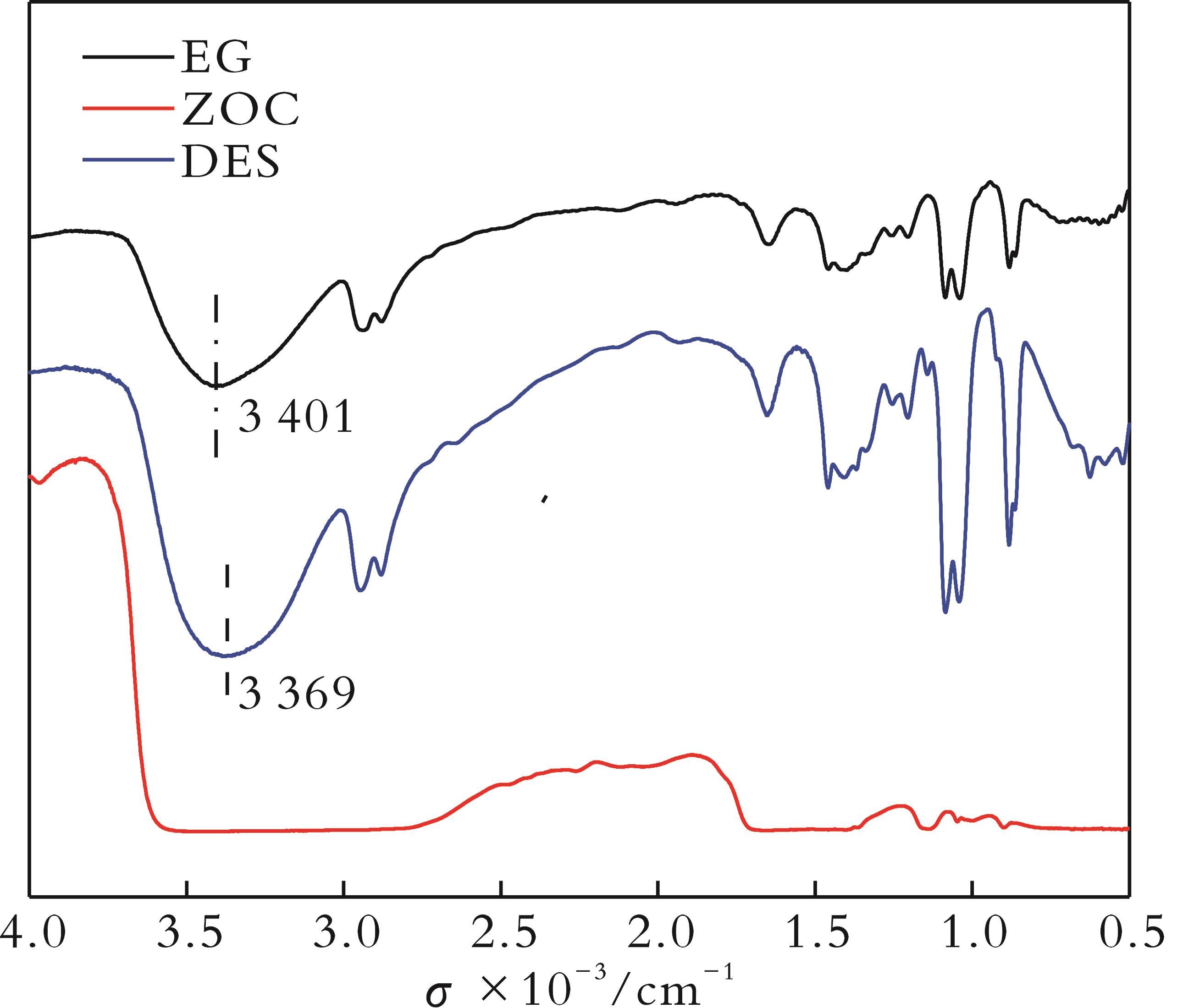
A zirconium oxychloride (ZOC)?based deep eutectic solvent (DES) was successfully prepared through thermal mixing of ethylene glycol (EG) with ZOC. The structure of the DES was systematically characterized using FT?IR and 1H NMR, confirming its successful synthesis, while its viscosity was determined using a rotational viscometer. An extraction?oxidation coupled desulfurization system was constructed using hydrogen peroxide as the oxidant and the DES as both an extractant and a catalyst. The effects of DES composition, reaction temperature, oxygen?to?sulfur molar ratio, solvent?to?oil mass ratio, and different types of sulfides on the desulfurization rate were systematically investigated. The results demonstrated that under optimal conditions (zirconyl chloride to ethylene glycol molar ratio of 1∶24, reaction temperature of 50 ℃, solvent?to?oil mass ratio of 1∶5, and oxygen?to?sulfur molar ratio of 8), the system achieves a desulfurization rate of 99.8%, 94.0%, and 69.8% for dibenzothiophene (DBT), 4,6?dimethyldibenzothiophene (4,6?DMDBT), and benzothiophene (BT) in model oil, respectively. Notably, the DES maintains a desulfurization rate of 94.9% after five reuse cycles, demonstrating excellent recyclability. Through experimental data analysis, the reaction mechanism was further elucidated, revealing the synergistic mechanism of DES in both sulfide oxidation and extraction processes.
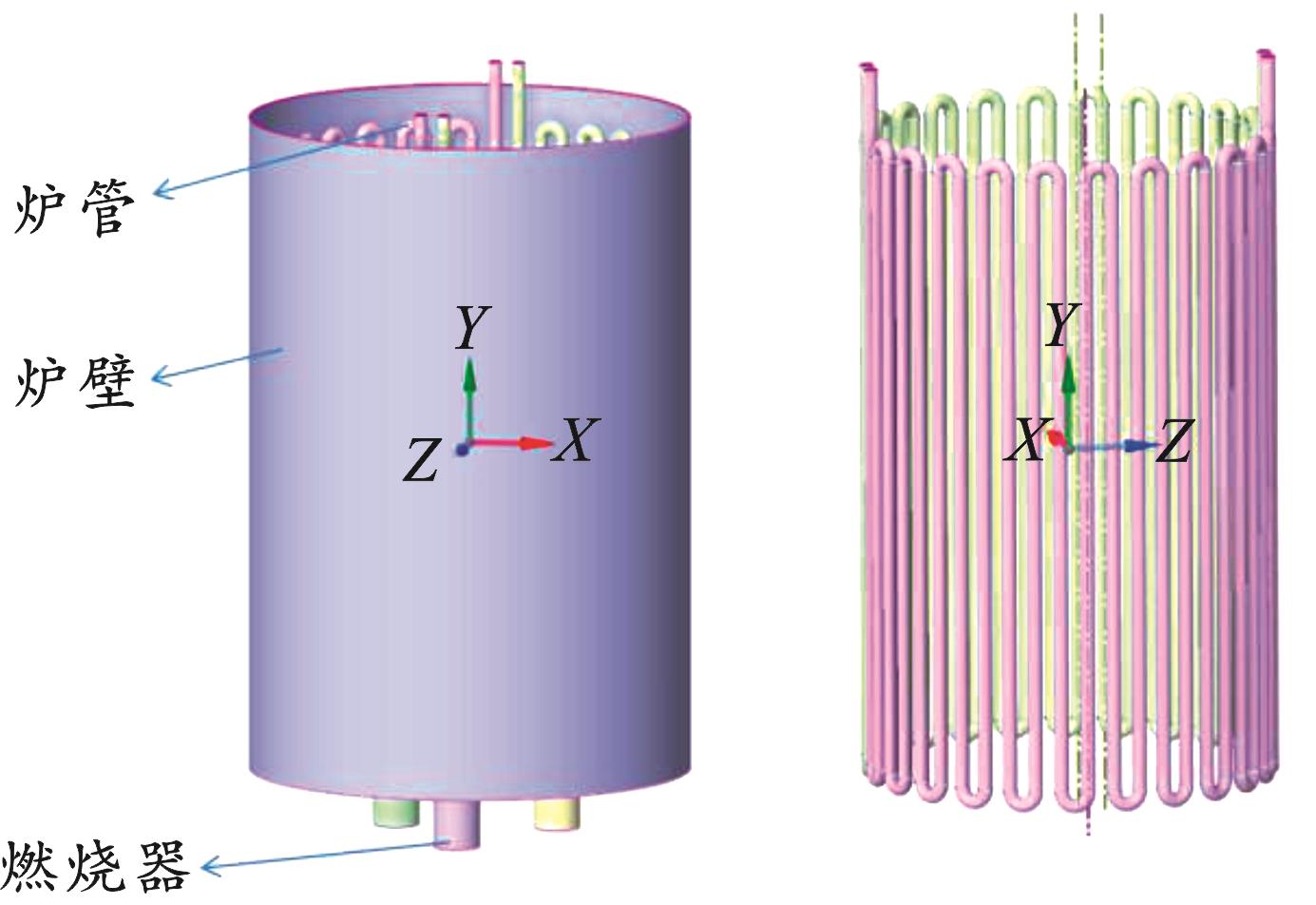
The tubular heating furnace is a key heating unit and a major energy consumer in refinery and chemical plants.Improving fuel combustion efficiency and the thermal efficiency of the heating furnace is of practical significance for energy conservation and emission reduction in these facilities. In this paper, the tubular heating furnace of aviation kerosene hydrofining unit is studied. The computational fluid dynamics (CFD) simulation method is adopted, and the standard k?ε turbulence model, component transport combustion model and P?1 radiation model are used. The temperature of the furnace, the average temperature of the surface of the furnace tube and the temperature distribution of the burner were investigated by changing the oxygen content of the combustion air. The results indicate that when the oxygen volume fraction changes in the range of 18.55%-26.00%, the oxygen volume fraction change has a significant impact on the temperature field and combustion efficiency in the furnace, and the existing radiation chamber, furnace tube and burner fully meet the needs of oxygen?rich combustion..
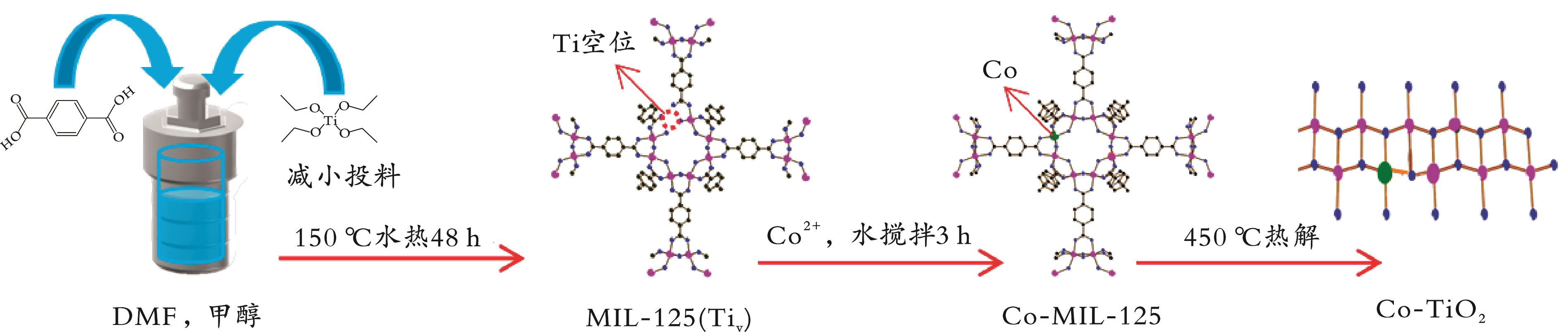
Semiconductor doping can promote the photoelectrocatalytic application of semiconductor materials by constructing impurity energy levels and reducing the band gap. In this paper, we designed a preparation method for metal?doped semiconductor materials. The transition metal Co was combined with the anionic ligand of the metal?organic framework (MOF)MIL?125 through coordination. Then, the Co?doped TiO2 was obtained through pyrolysis, and its performance in photocatalysis was studied. The results showed that the co?doped TiO2 exhibits a high photocurrent density (9.87 μA/cm2), which is 3.8 times of the undoped TiO2. Meanwhile, the degradation reaction rate constant also significantly increases from 0.041 min?1 before doping to 0.063 min?1 after doping. The incorporation of Co species not only extends the visible?light absorption edge of TiO2 but also introduces well?defined impurity energy levels within its bandgap, thereby facilitating efficient separation and migration of photogenerated charge carriers while significantly suppressing electron?hole recombination.
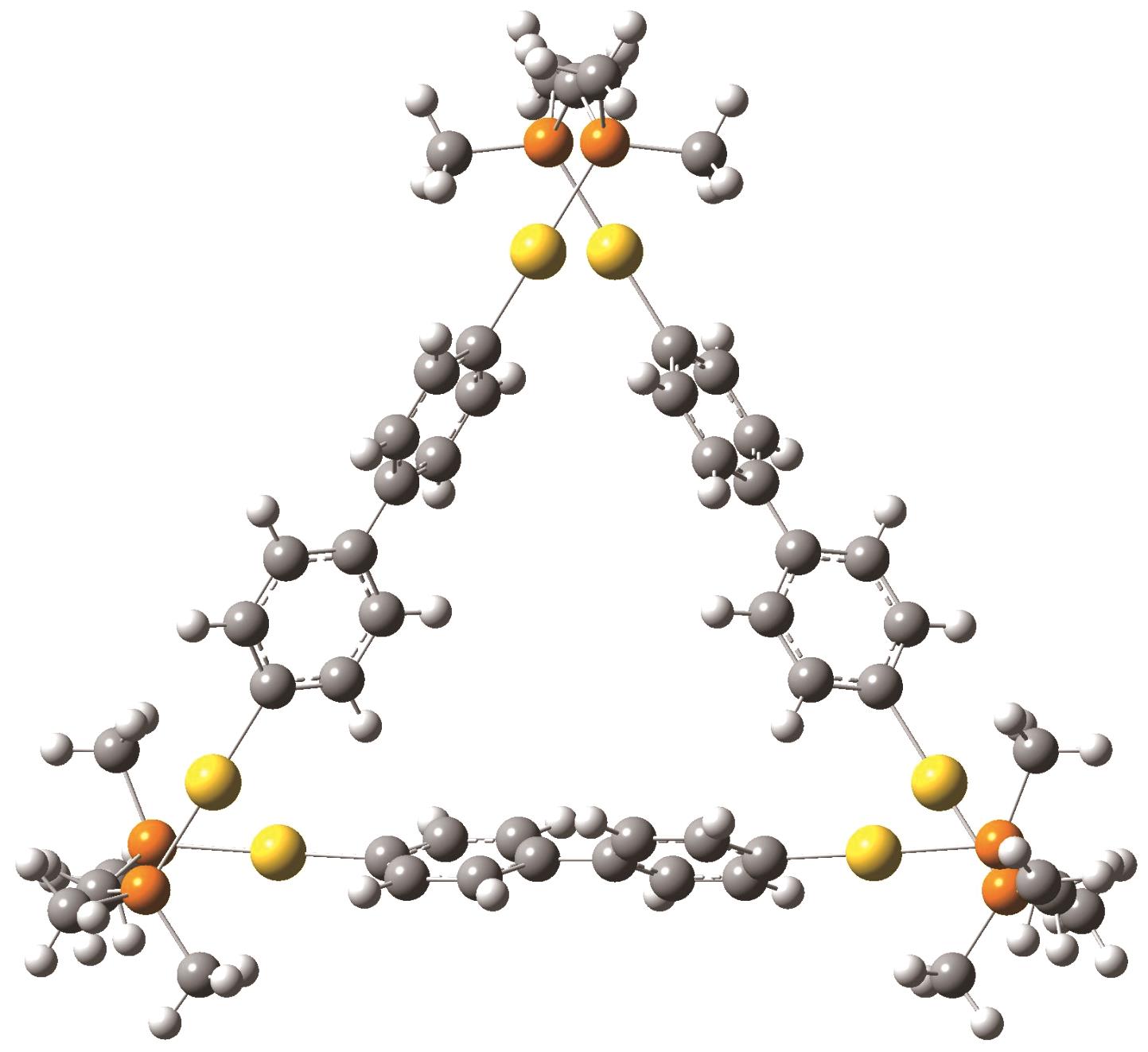
This study theoretically investigates the electronic structures and photophysical properties of isomeric triangular macrocyclic gold(I)?biphenylene complex (MPP) using quantum chemical calculations and wavefunction analysis methods,aiming to elucidate the physical mechanisms underlying their linear and nonlinear optical spectra.The molecular orbital characteristics were analyzed via highest occupied molecular orbital (HOMO)?lowest unoccupied molecular orbital (LUMO) analysis,density of states (DOS),one?photon absorption (OPA) spectrum,as well as static and 280 nm resonance Raman spectra, thereby revealing the regulatory mechanisms of electronic excitation features and molecular vibrations on linear spectral properties. The electron excitation characteristics of MPP were further visualized using charge difference density (CDD) maps and transition density matrix (TDM),clarifying the influence of charge transfer and localized excitations on optical responses.Additionally,the core physical features of nonlinear optical behaviors were characterized by computing molecular (hyper)polarizability to explore its nonlinear optical response patterns.Results demonstrate that MPP exhibits a strong absorption peak at 280 nm in linear spectra, with molecular vibrational modes significantly modulating Raman spectral features.In nonlinear optical aspects,MPP shows pronounced nonlinear anisotropic characteristics,and the (hyper)polarizability decreases with increasing wavelength.
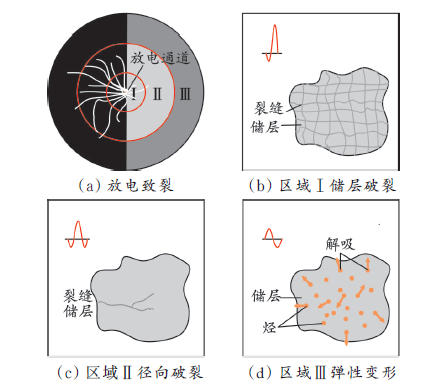
Amid global energy transition, electrical pulse fracturing has emerged as a key technology for environmentally sustainable development of unconventional oil and gas resources,as it uses controllable shockwaves generated by high?voltage pulse discharge to construct multi?scale fracture networks and achieve efficient rock fragmentation. This study focuses on the rock?breaking mechanisms and numerical simulation of electrical pulse fracturing. The principles of pulse discharge and energy conversion processes are systematically analyzed, with an equivalent model established between discharge?induced shockwaves and TNT explosion shockwaves. The fracturing mechanisms?including shear, cavitation, tensile effects are elucidated for sandstone and shale reservoirs, and the attenuation of fracturing efficacy with increasing distance is quantitatively evaluated. Using TNT explosion simulations performed on the Autodyn platform and damage monitoring in sandstone and shale, lithological parameters are found to critically govern shockwave energy attenuation paths and damage patterns. Specifically,sandstone reservoirs require pulse energy optimization to activate multidirectional fracture networks, whereas shale reservoirs call for distance modulation to guide the propagation of dominant fractures.
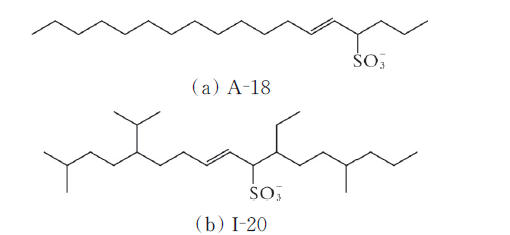
As a new type of surfactant for oil displacement, internal olefin sulfonates have attracted much attention in oil field in recent years. As tertiary oil recovery technology is applied to high?temperature and high?salt reservoirs, the problem of temperature resistance and salt resistance of surfactant emerges. The rotating drop method was adopted to investigate the effects of ionic strength of Na? and Ca2? on the oil?water interfacial tension reduction performance of two internal olefin sulfonates (A?18, I?20) with different degrees of branching. The experimental results show that the internal olefin sulfonates surfactants generally have good salt resistance. Hydrophobic alkyl branching can increase the interfacial activity of surfactants. The active fractions in crude oil can be mixed and adsorbed with surfactant molecules at the interface, which is an important factor governing the interfacial performance. The increase of ionic strength can weaken the electrostatic repulsion among surfactant molecules and increase the adsorption capacity of surfactants at the interface. Moreover, divalent calcium ions exhibit stronger molecular aggregation ability than monovalent sodium ions, further reducing the oil?water interfacial tension at high mass fraction.
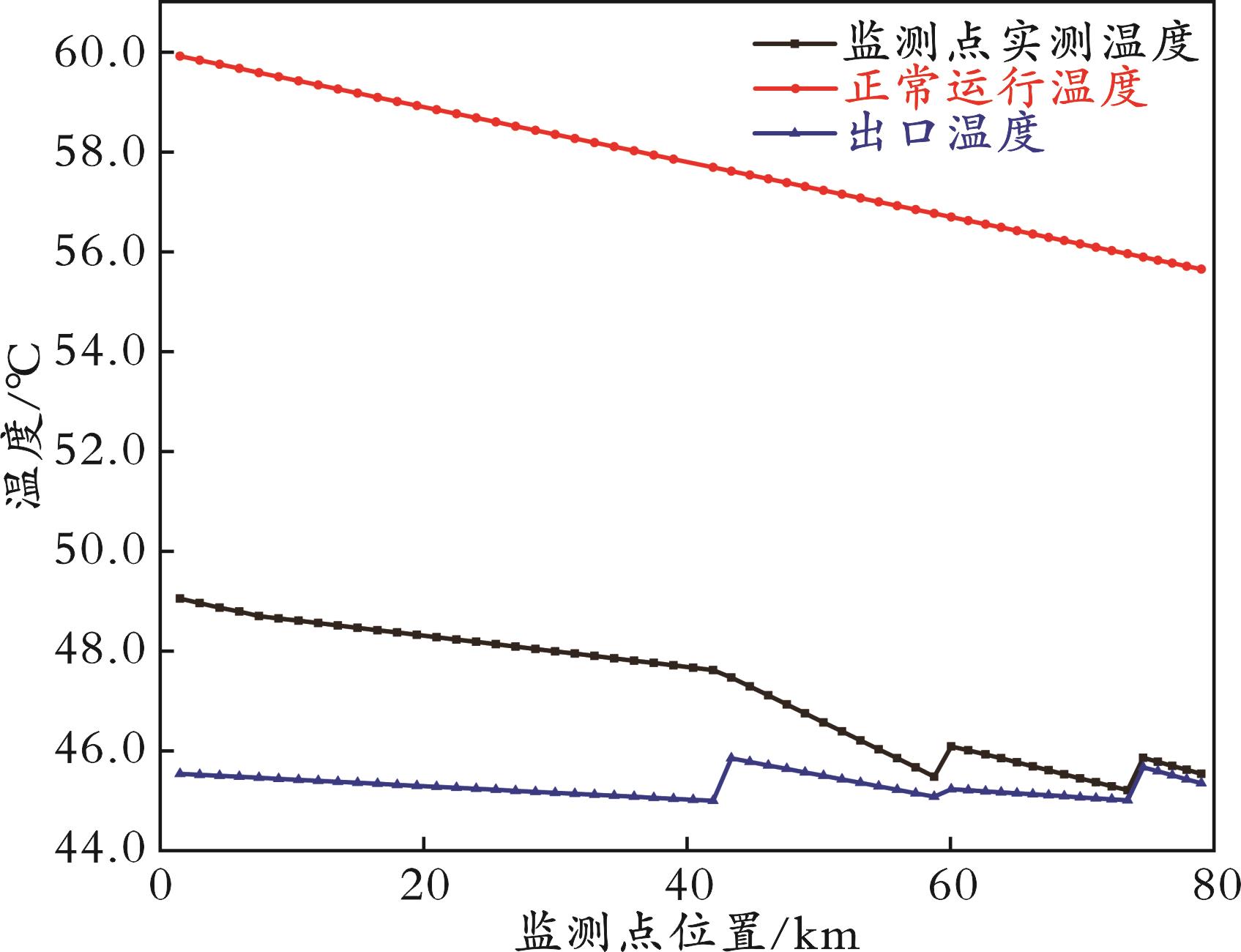
Damage to insulation layer of buried oil pipelines will significantly change the distribution of the soil temperature field around the pipeline, thereby affecting the thermal performance and operational safety of the pipeline. Based on the theory of multi?physics field coupling, this study establishes a three?dimensional steady?state heat transfer model to quantitatively analyze the temperature drop characteristics of the pipeline and the evolution law of the soil temperature field under different soil types (clay, loam, sand). The model was solved using ANSYS Fluent 2022, with the effect of moisture intrusion considered. The numerical simulation results show that in sand soil, the critical number of segments with complete insulation damage is 15 segments (each 100 meters), corresponding to a critical damage distance of 1.5 kilometers. According to this critical distance, initial monitoring points are set, and a total of 56 monitoring points are required for an 80?kilometer pipeline. The temperature at each monitoring point shows a non?linear decreasing trend along the pipeline. The outlet temperature at the 28th monitoring point (42 kilometers away) drops to the wax precipitation point of 45 ℃ for the first time. The "critical distance segmented monitoring method" proposed in this study can achieve accurate monitoring of the pipeline damage status in the sand soil section, providing technical support for the safe operation of the pipeline.
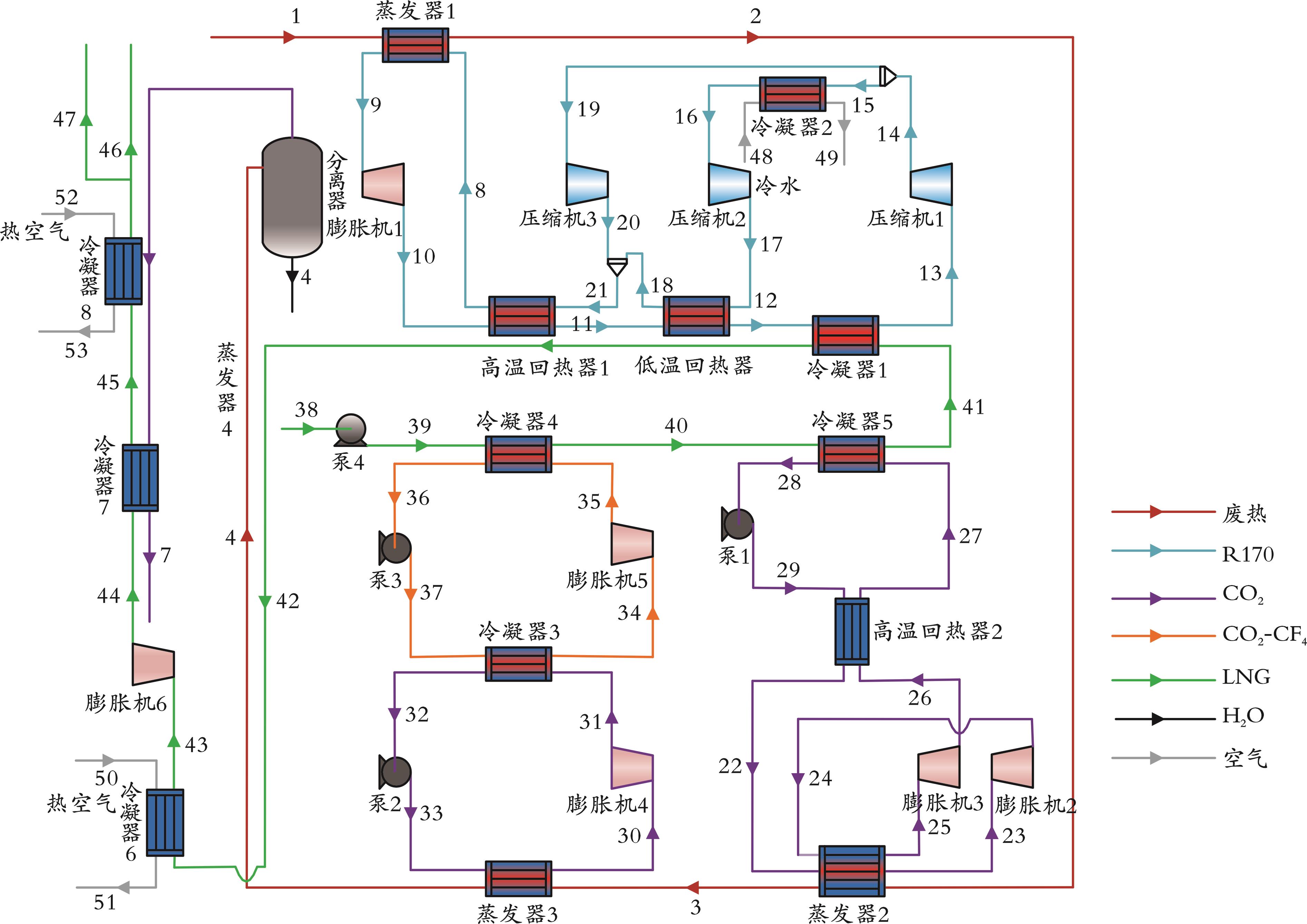
To address the challenges in LNG cold energy utilization and waste heat recovery from gas turbine flue gas, and to facilitate the liquefaction of the contained carbon dioxide, a novel combined cooling, heating and power (CCHP) system is proposed. The effects of the split ratio (x), the compressor inlet pressure(p25),and the mass fraction of carbon tetrafluoride in the mixed working fluid (w) were analyzed. A multi?objective optimization was subsequently performed using a genetic algorithm. The results show that decreasing x and increasing w enhances thermal efficiency, exergy efficiency,and net output work,while reducing the average unit cost.The optimal compressor inlet pressure (p25) was found to be in the range of 8.0 MPa to 9.0 MPa. The thermal efficiency, exergy efficiency, the average unit cost and the average unit cost under the optimal working conditions of the system were 67.62%, 56.98% and 22.11 $/GJ,respectively.
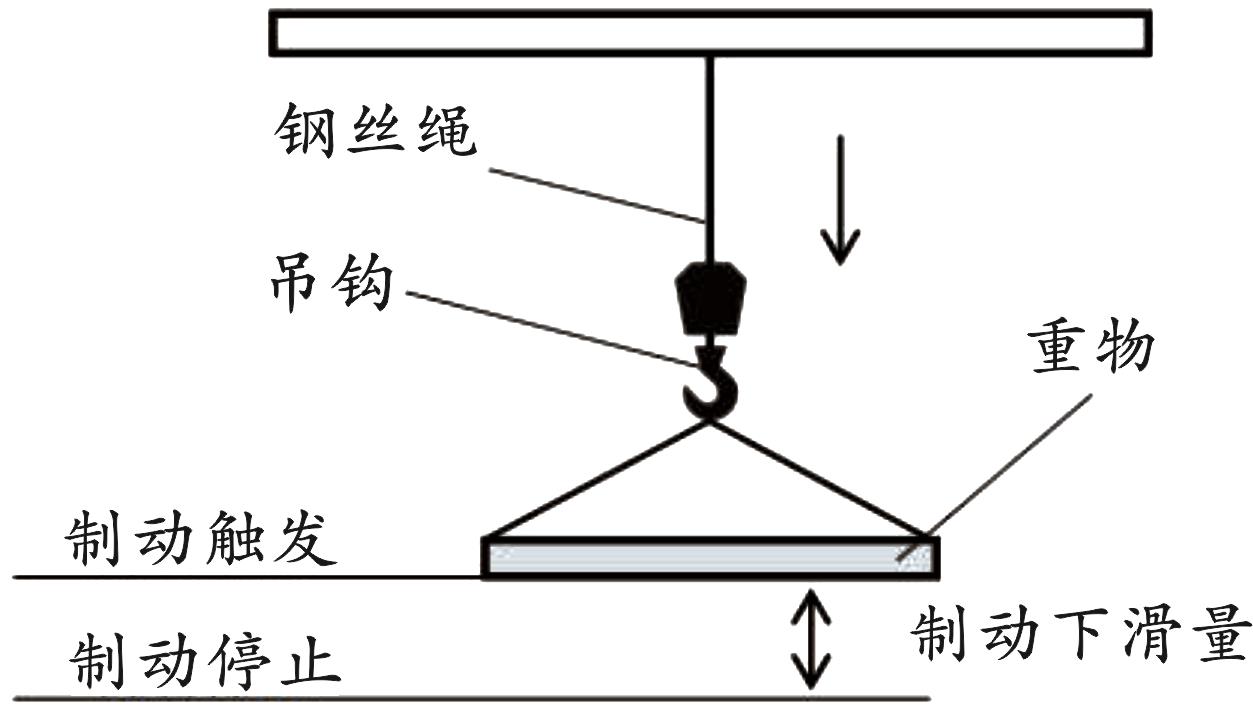
The detection of crane braking descent distance faces numerous challenges in practical engineering applications, primarily due to limitations in the measurement accuracy of existing detection equipment, the complexity of on?site operations, and high equipment costs. A method is proposed to obtain the braking descent distance by using inertial sensors to collect acceleration and angular velocity data during the crane braking process, performing attitude calculation, and combining it with a double integration algorithm. First, a Lagrangian dynamic model of the crane is established to analyze the coupling relationship between the braking descent distance and the equipment environment. Second, a data acquisition device is designed, the detection steps are described, and data synchronous transmission is employed to enhance signal reliability. Finally, the data processing method is investigated, a complete data processing workflow is designed, complex integration algorithms are compared and analyzed, and practical feasibility is verified. The results indicate that this detection method can prevent serious accidents such as load dropping caused by insufficient braking performance, offering superior comprehensive performance, strong feasibility, and promising market prospects.
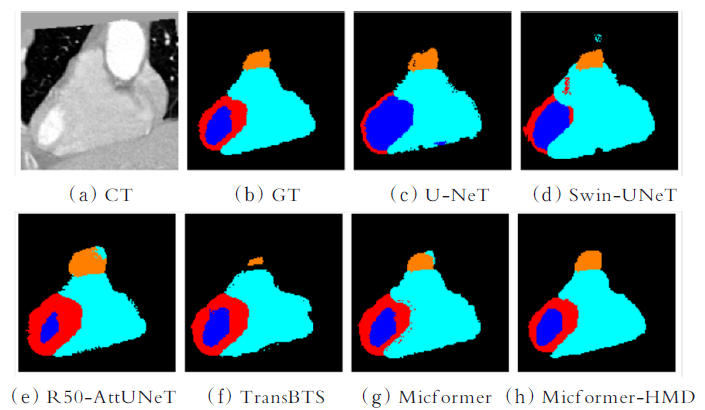
Medical image segmentation serves as a pivotal technology in computer vision, particularly capable in providing critical diagnostic information when processing multi?modal medical images like CT and MRI. However, existing techniques still exhibit significant limitations in modality collaborative modeling, precise structural boundary representation, and effective integration of multi?scale semantic information. To address these challenges, this paper proposes MicFormer?HMD, an enhanced architecture that improves upon the traditional MicFormer framework.A Hybrid Gating Module is designed to achieve dynamic feature selection before Cross?Modal interaction through parameterized convolutions and gating functions, enabling adaptive noise suppression and enhances discriminative feature representation. Then, we develop a Multi?Branch Fusion Attention module that employs a Multi?Branch dilated convolution architecture and a dual attention calibration mechanism,significantly improving the model's capability in capturing and integrating multi?scale contextual information. Dynamic Snake Convolution is incorporated, whose deformable kernels adaptively conform to the complex morphology of cardiac anatomical structures, thereby strengthening geometric perception. The proposed MicFormer?HMD architecture demonstrates remarkable advantages in cardiac image segmentation tasks, showing particular improvements in maintaining thin?walled tissue continuity and complex vascular connectivity.
Website Copyright © Editorial Department of Journal of Liaoning Petrochemical University
Address: No. 1, west section of Dandong Road, Wanghua District, Fushun City, Liaoning Province Tel:024-56865105 E-mail:lnxuebao@126.com Zip Code:113001
The system is designed and developed by Beijing magtec Technology Development Co., Ltd.