
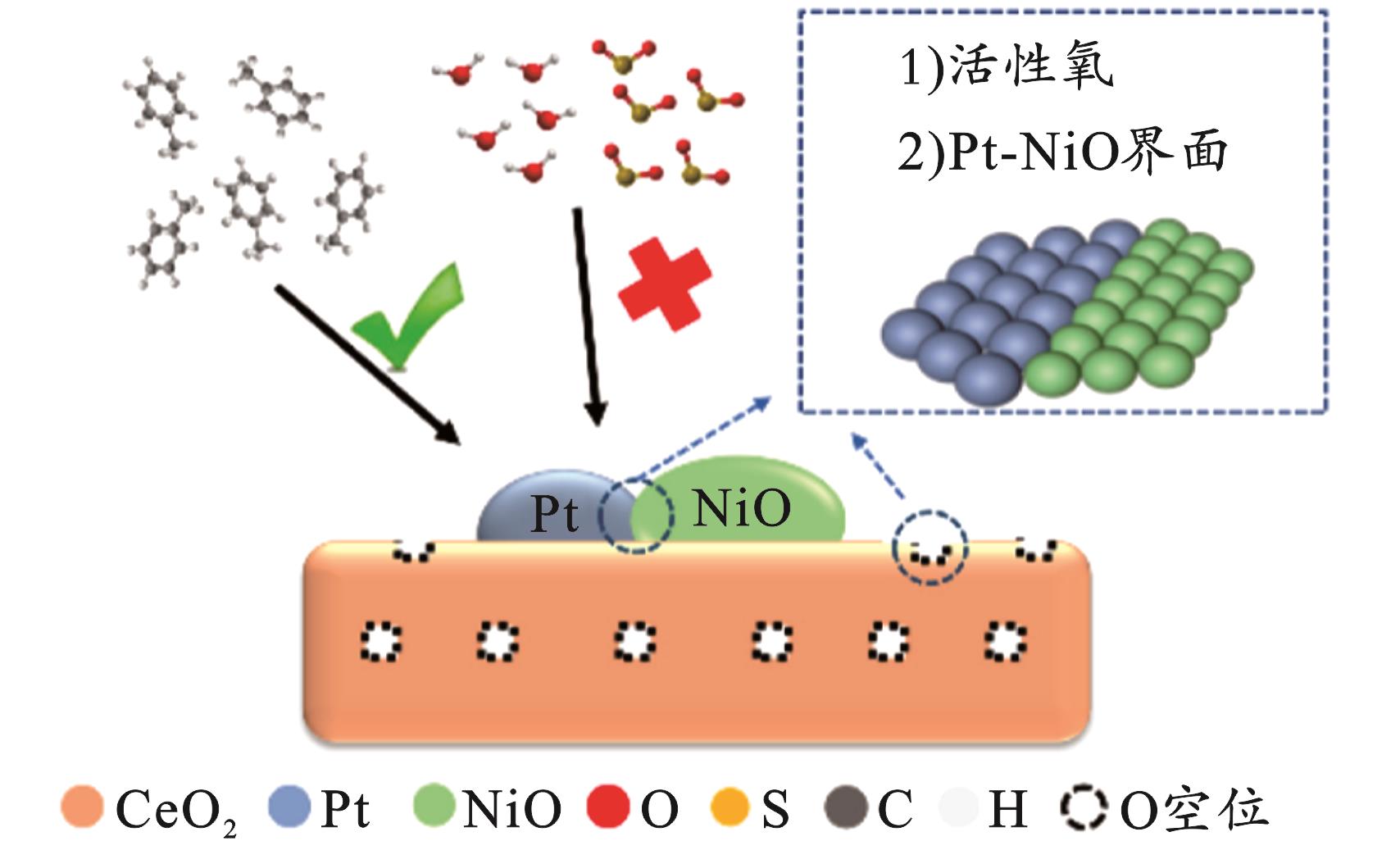
Catalytic oxidation is a core technology for treating volatile organic compounds (VOCs) in the industrial sector. The stability and service life of catalysts are important indicators for evaluating the performance of VOCs catalytic oxidation catalysts, directly affecting the safety and economy of actual production processes. This paper expounds on the deactivation mechanism of VOCs catalytic oxidation catalysts; outlines the hazards caused by the deactivation of VOCs catalytic oxidation catalysts to industrial production; and proposes countermeasures to inhibit the deactivation of VOCs catalytic oxidation catalysts based on machine learning methods. The research results can provide references for the material development and structural design of such catalysts.
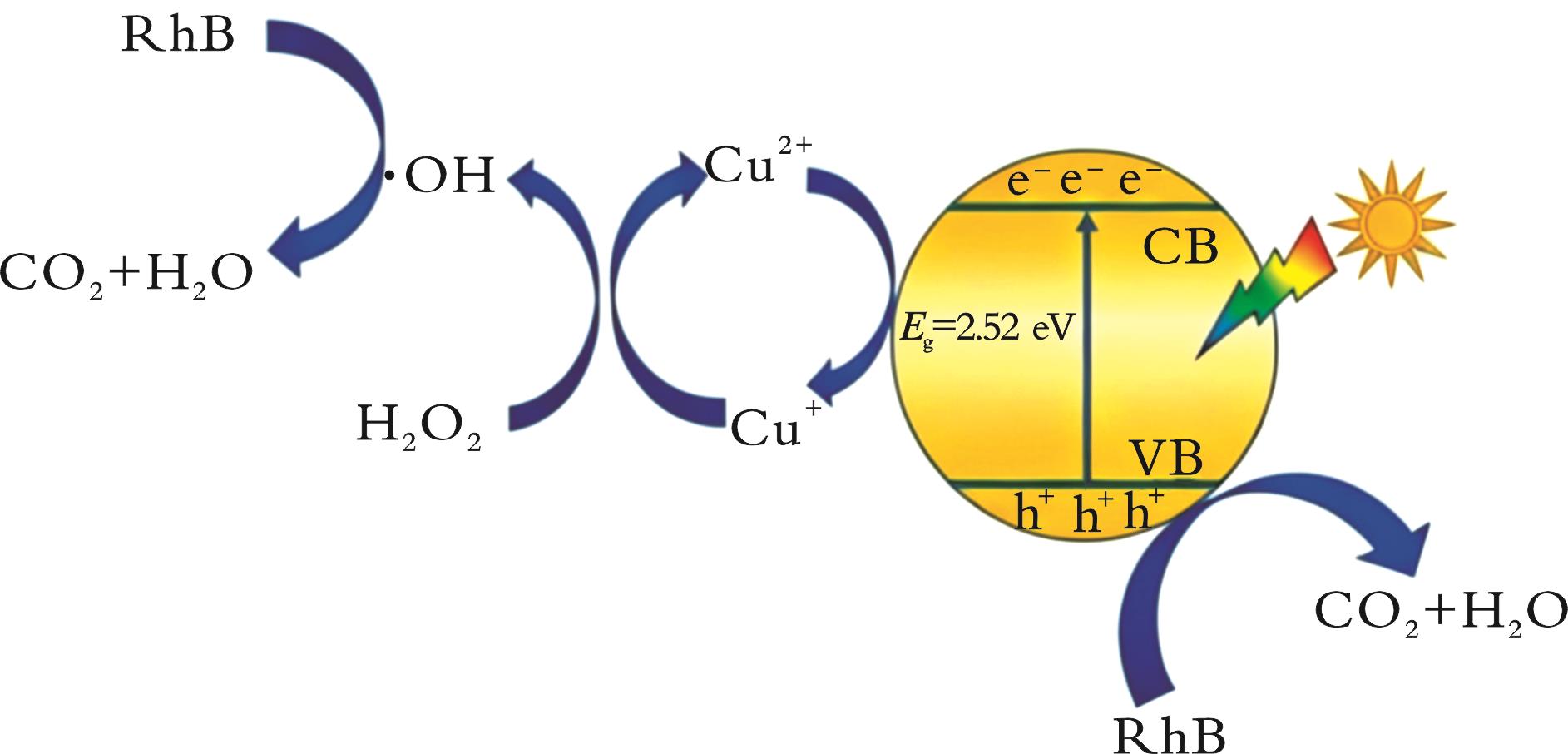
In this study, Cu⁃doped TiO₂ photocatalysts were prepared by the sol⁃gel method using tetrabutyl titanate as the titanium source and copper(II) chloride dihydrate as the copper source. Their phase composition, morphology, and surface chemical composition were characterized by XRD, SEM, and XPS; photoelectrochemical tests were conducted to investigate the photoelectrocatalytic properties of the materials, and Rhodamine B (RhB) was used as the target pollutant to evaluate their photo⁃Fenton catalytic performance,the mechanism by which Cu doping enhances the photo⁃Fenton activity of TiO₂ was also elucidated. The results show that 5% Cu⁃TiO₂ exhibits the best performance for RhB degradation, with a degradation rate constant 7.0 times that of TiO₂. This enhancement is mainly attributed to Cu doping, which introduces impurity energy levels into TiO₂, significantly narrows the band gap, and extends the photoresponse into the visible⁃light region, thereby improving the photo⁃Fenton catalytic performance.
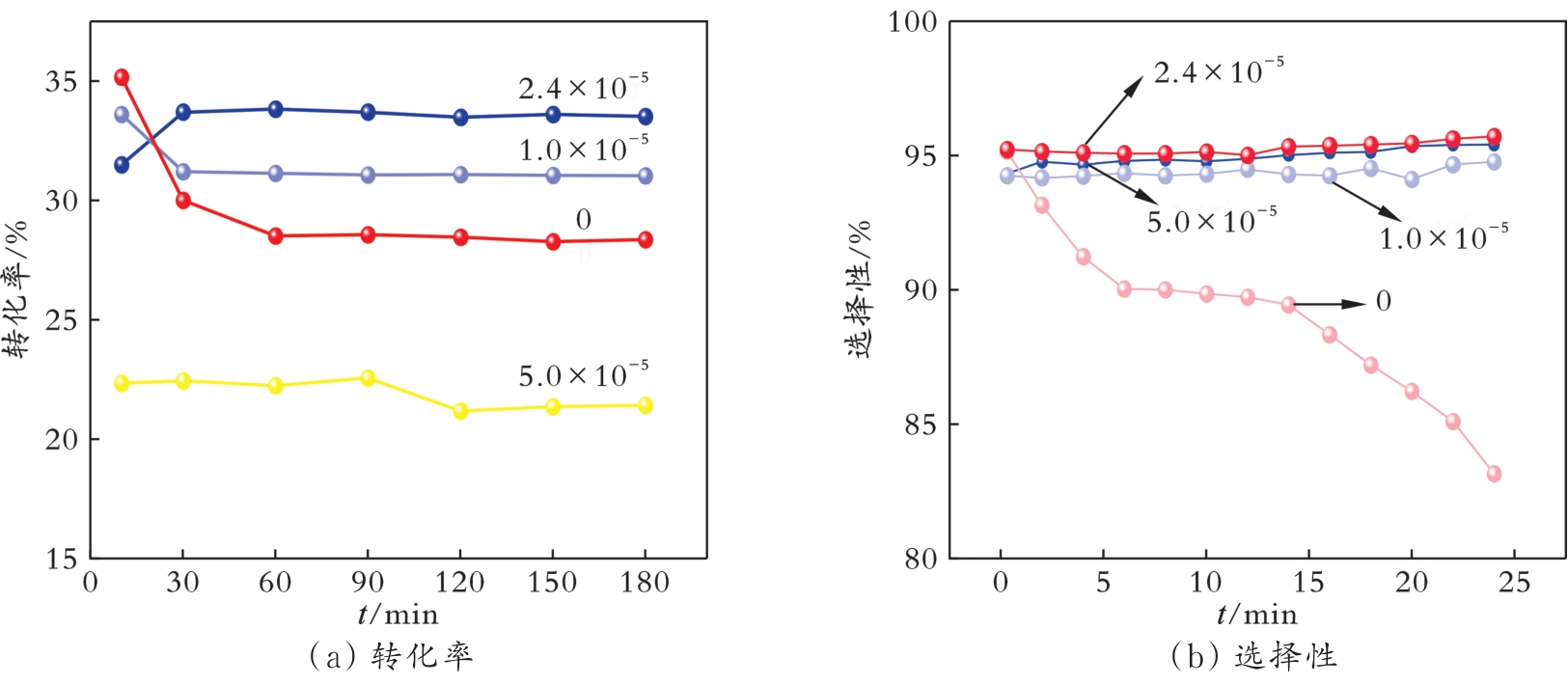
Density functional theory (DFT) calculations and catalyst performance evaluations were conducted to investigate the promoting effect of H2S on the dehydrogenation performance of the PtSnK/Al2O3 catalyst. The results show that adding an appropriate amount of H2S to the feed gas significantly increases propylene selectivity, which remains above 93%, while improving catalyst stability and reducing carbon deposition. The optimal H2S volume fraction in the feed is 2.4×10⁻5, at which both propane conversion and propylene selectivity reach their maximum values. Excessive H2S, however, causes catalyst poisoning and a substantial decrease in activity. According to the DFT calculation results, among different adsorption configurations, the Gibbs free energy is minimal when H2S and propylene are co⁃adsorbed on both Pt(111) and Pt(211) crystal surfaces. Specifically, the Gibbs free energy on the Pt(211) crystal surface is -0.09 eV, which is lower than that on the Pt(111) crystal surface, which is -0.05 eV. These results suggest that H2S facilitates propylene desorption and preferentially adsorbs on the Pt(211) surface, thereby suppressing side reactions, increasing propylene selectivity, and promoting the dehydrogenation performance of the PtSnK/Al2O3 catalyst.
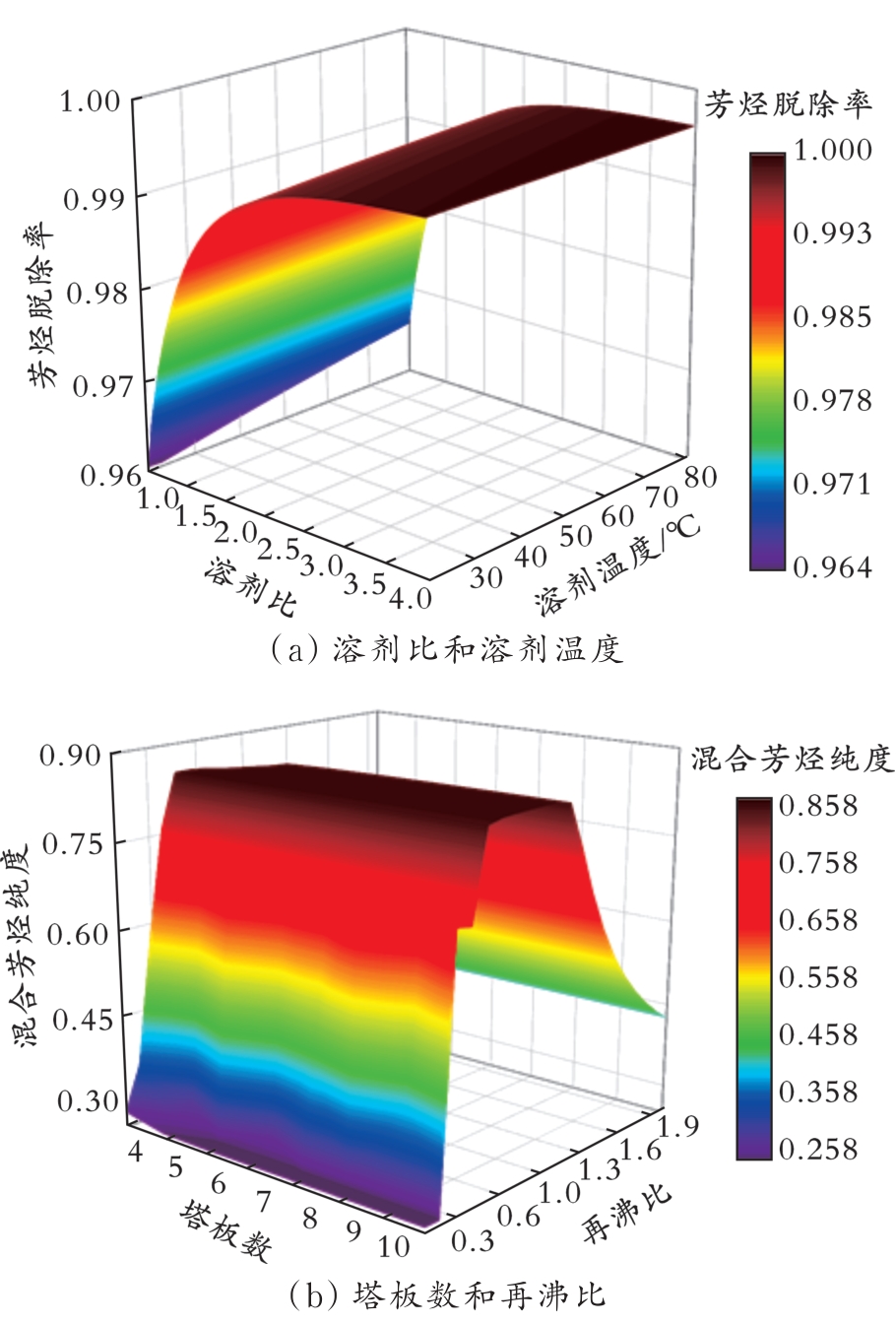
Four ionic liquids were screened using the UNIFAC model in Aspen Plus. At infinite dilution, their selectivities for aromatic/non⁃aromatic mixtures were evaluated, and 1⁃ethyl⁃3⁃methylimidazolium methanesulfonate ([EMIM][MESO3]) was selected as the extractant. A sulfolane⁃based aromatic extraction model and an [EMIM][MESO3]⁃based aromatic extraction model were then established. Sensitivity analysis and orthogonal experiment were used to optimize the process parameters of the two models and determine the optimal operating conditions. The results show that the [EMIM][MESO3]⁃based extraction process provides better separation performance than the sulfolane⁃based process. In terms of energy consumption and economics, compared with the sulfolane⁃based process, the [EMIM][MESO₃]⁃based process reduces cooler and heater energy consumption by 69.58% and 46.38%, respectively. The annual total investment (ΔTIC), annual operating cost (TOC), and annual total cost (ΔTAC) are reduced by 30.15%, 30.08%, and 30.13%, respectively.
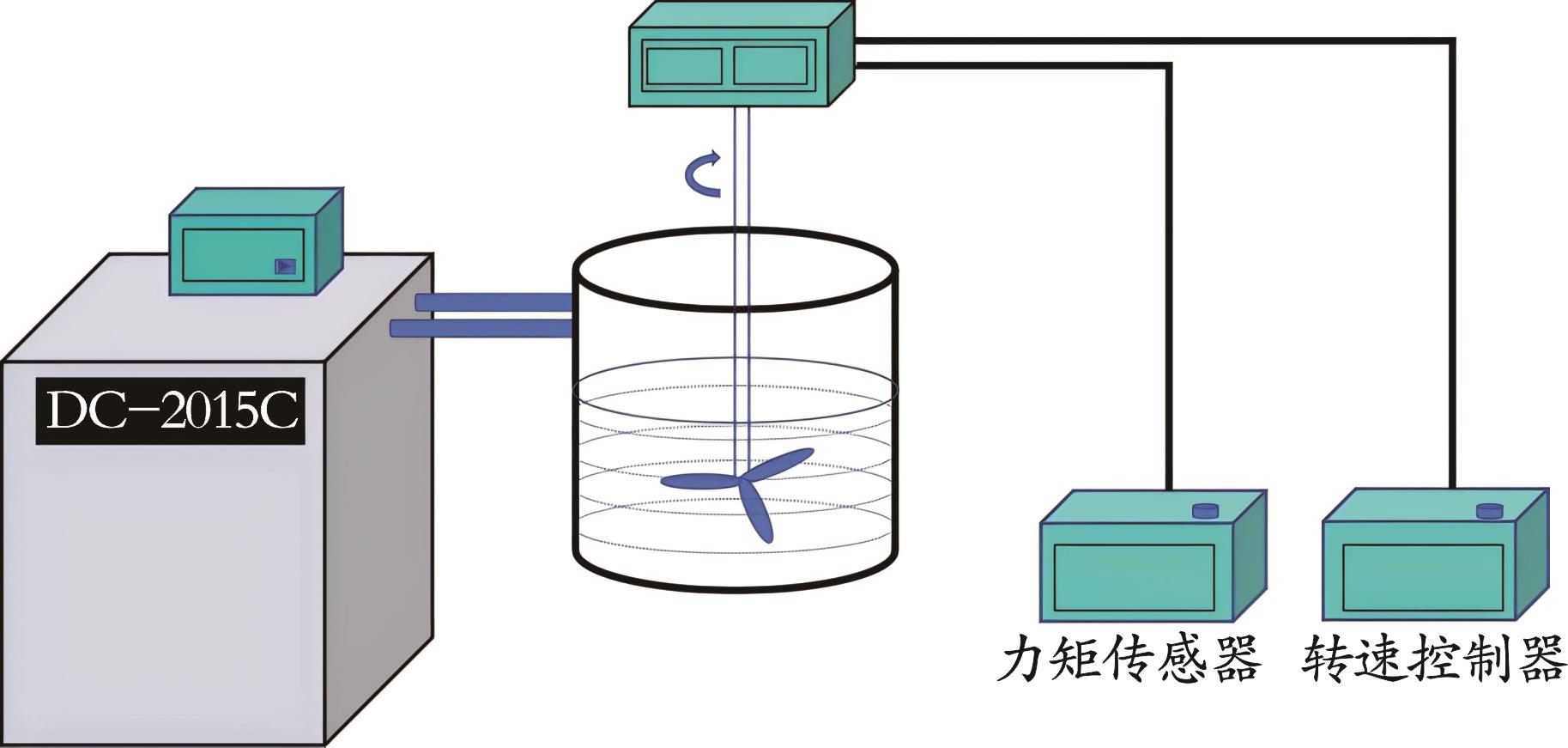
To elucidate the mechanism by which pipeline shear increases the gel point of crude oil treated with a polymeric pour point depressant (PPD), pipeline⁃shear simulation experiments were conducted on T crude oil based on energy dissipation theory. Microscopic observations combined with ImageJ image analysis were used to characterize wax crystal morphology before and after shearing. The results showed that, after the addition of 25 mg/kg of PPD and heat treatment at 50 ℃, the gel point of T crude oil decreased from -8 ℃ to -14 ℃. Following simulated pipeline transportation, the gel point of the treated crude oil increased to -5 °C, representing greater deterioration than that observed for untreated crude oil. Each high⁃speed shearing event increased the gel point of the treated oil by 3-4 ℃. Microscopic analysis showed that the PPD promoted wax crystal aggregation and growth through co⁃crystallization and adsorption, reducing the crystal count from 605 to 272 and increasing the mean crystal area from 5.58 μm² to 7.33 μm². However, shear disrupted the aggregated wax crystal structures, causing the crystals to redisperse; wax crystal number increased to 771, while average wax crystal area decreased to 1.36 μm². This increased the dispersion and surface energy of the system, leading to a higher gel point. These findings clarify the microstructural mechanism by which shear weakens the effectiveness of polymeric PPD treatment and provide a theoretical basis for assessing shear⁃related safety during the pipeline transportation of waxy crude oil.
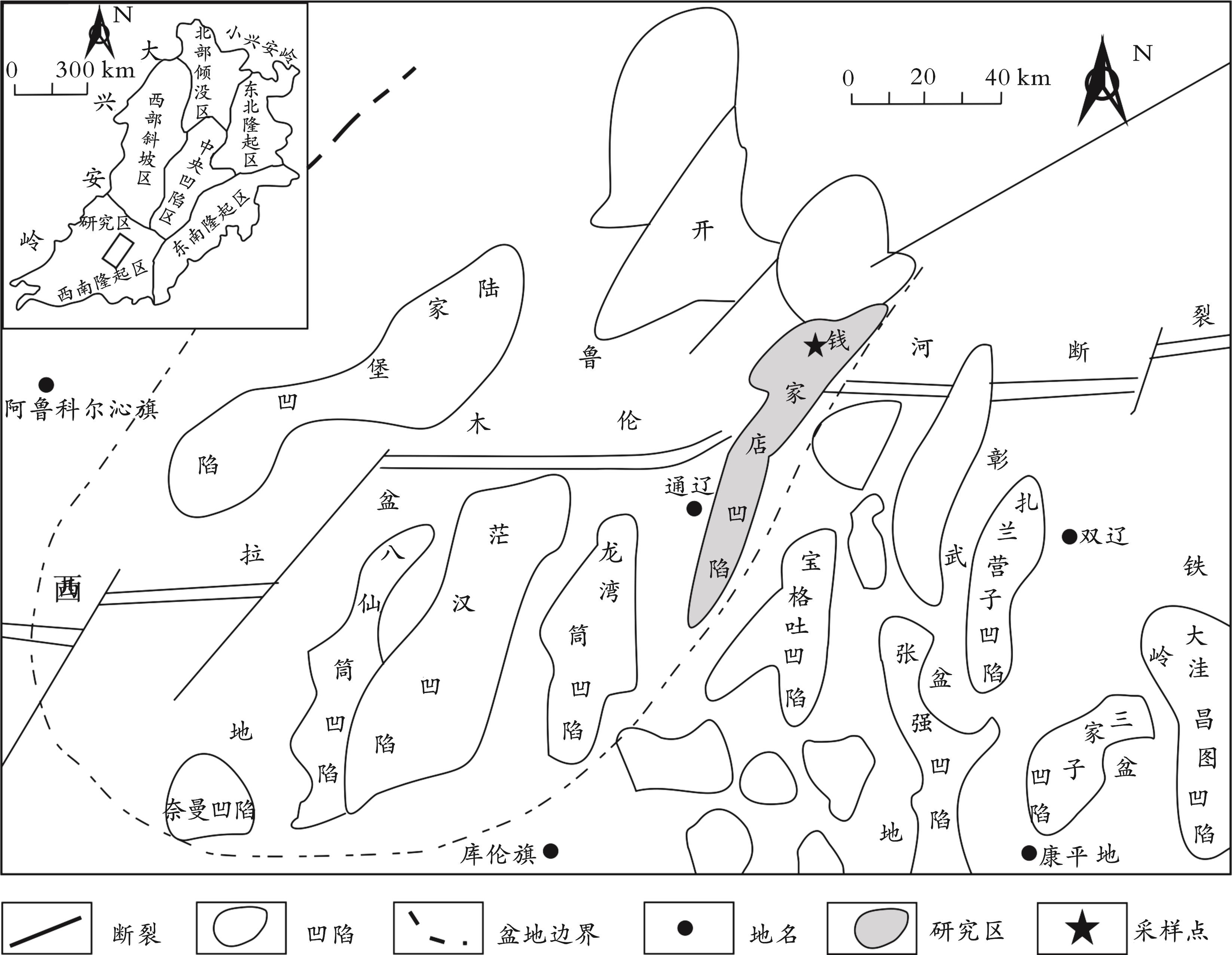
The metallogenic controls on the sandstone⁃type uranium deposit in the Upper Cretaceous Yaojia Formation of the Qianjiadian area, Kailu Basin, remain debated, and the sedimentary environment, provenance characteristics, and uranium enrichment mechanisms have yet to be well constrained. Uranium⁃bearing strata of the Yaojia Formation were systematically sampled from drill cores. Major⁃element and rare⁃earth⁃element (REE) concentrations and organic⁃matter contents were analyzed using X⁃ray fluorescence spectrometry (XRF), inductively coupled plasma mass spectrometry (ICP⁃MS), and related methods. The results show that rocks from the oxidized zone exhibit pronounced negative Ce and Eu anomalies, with δCe values of 0.67-0.89 and δEu values of 0.78-0.92, indicating that Ce and Eu anomaly parameters can effectively discriminate redox conditions; Uranium mass fraction is negatively correlated with the m(K₂O)/m(Na₂O), and all high⁃uranium samples have m(K₂O)/m(Na₂O)<2, indicating that high⁃permeability sandstones provided favorable pathways for uranium⁃bearing fluids; Integrated analysis of sedimentary facies, geochemical discrimination diagrams, and the regional tectonic setting indicates that the Yaojia Formation was deposited in a passive continental⁃margin setting; and the principal metallogenic control is the coupling of a regionally developed oxidation zone controlled by tectonic tilting with locally developed structural windows, with the main mineralization event occurring at approximately 67 Ma. This study establishes an integrated "source⁃migration⁃accumulation" uranium metallogenic model for the study area and provides a theoretical basis for exploring sandstone⁃type uranium deposits in the Kailu Basin and comparable basins.
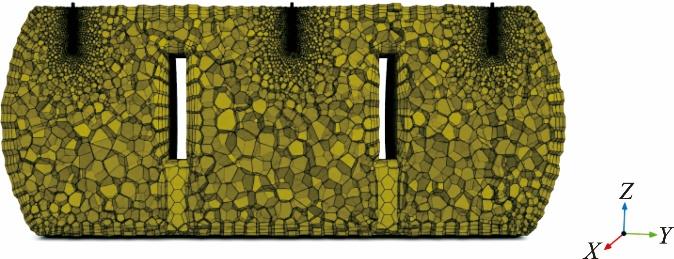
Diesel fuel stored for long periods in emergency diesel tanks at nuclear power plants is susceptible to deterioration, potentially compromising the operational efficiency and reliability of emergency diesel units and posing risks to nuclear power plant safety. To maintain fuel quality, periodic filtration and blending, with additives when necessary, are required. Accordingly, this study proposes an efficient and accurate optimization method for emergency diesel conditioning that integrates computational fluid dynamics (CFD) simulations in FLUENT with a genetic algorithm implemented in MATLAB. The conditioning process is first simulated and analyzed using CFD, after which the genetic algorithm performs global optimization to determine a conditioning scheme that enables the monitoring points to meet the blending requirements in the shortest possible time. The proposed model improves the efficiency and accuracy of the conditioning process while reducing conditioning time, thereby supporting the operational reliability and performance of emergency diesel units.
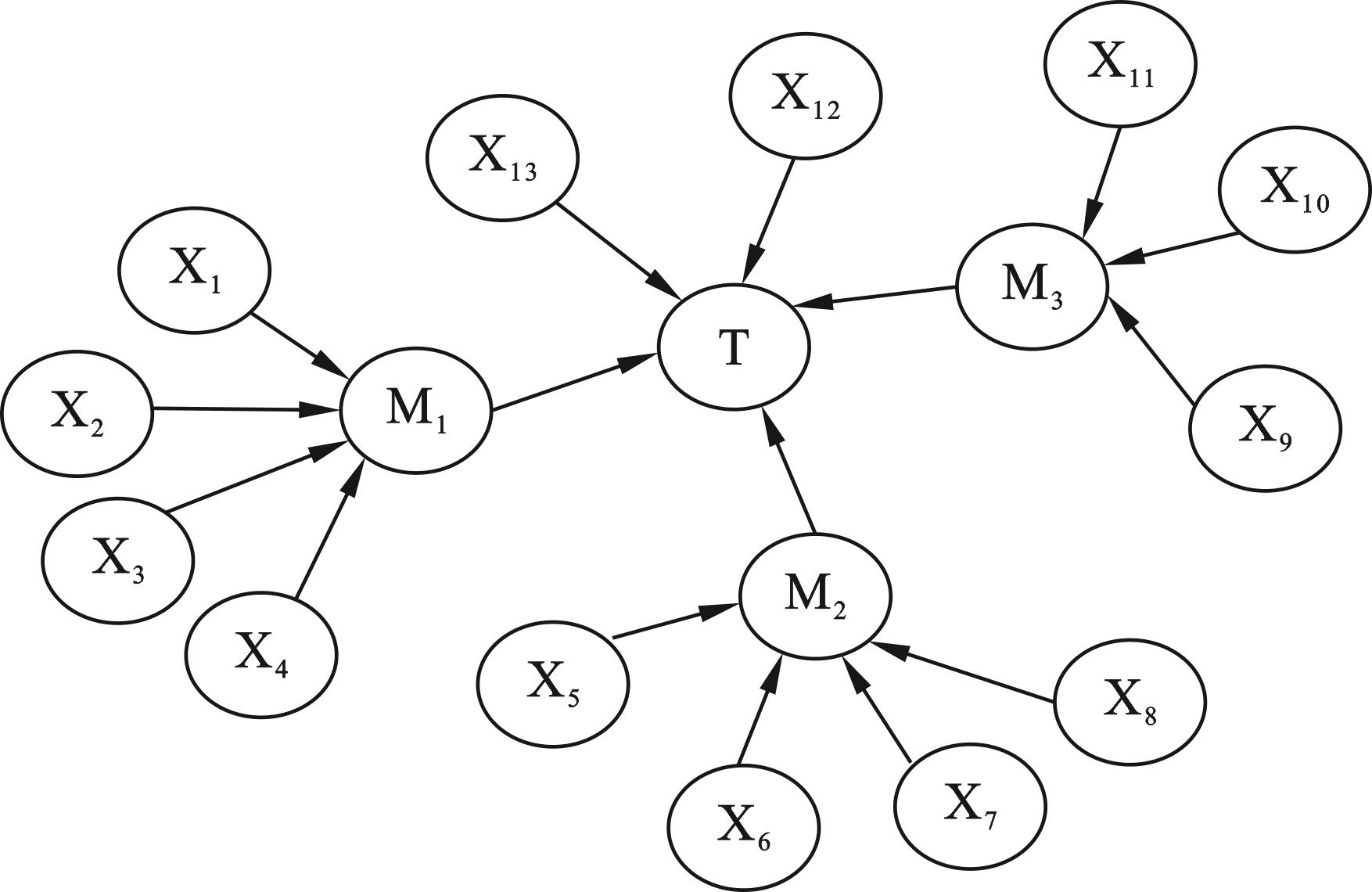
To address the strong subjectivity of prior data in dynamic Bayesian network (DBN) for dynamic risk assessment, this study focuses on a coal⁃slurry preparation system and uses a long short⁃term memory recurrent neural network (LSTM⁃RNN) to optimize the prior data of the DBN. Through its gating mechanism and cell state, the LSTM⁃RNN dynamically screens and retains key information, effectively captures early⁃stage features in long sequences, filters redundant noise, and robustly learns long⁃term dependencies. By learning the time‑series historical operational performance data of the system, the prior data of the DBN is optimized. Bidirectional inference is then performed on the optimized DBN to achieve dynamic reliability analysis of the coal⁃slurry preparation system. The results show that forward inference yields the optimized trend of system reliability, whereas backward inference identifies key events and weak links before and after optimization.
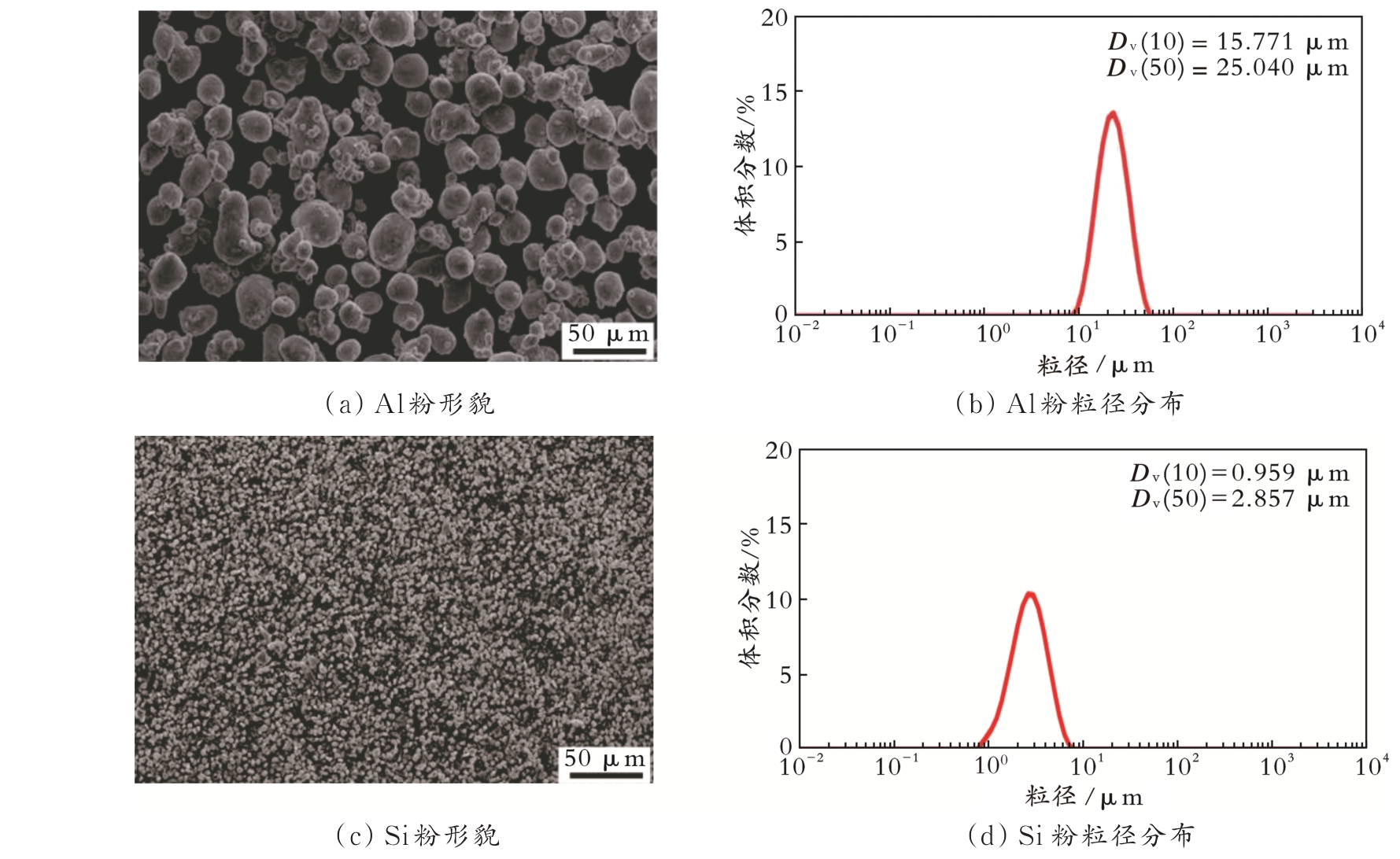
Spark plasma sintering is a rapid, low⁃temperature, high⁃density sintering technique that facilitates the fabrication of dense compacts while mitigating excessive grain growth and insufficient densification. This study systematically investigated the effects of sintering pressure on the microstructure and thermophysical properties of Al⁃0.6Si composites prepared by spark plasma sintering. The results show that sintering pressure strongly influences the properties of high⁃silicon aluminum composites. At a sintering pressure of 40 MPa, the Al⁃0.6Si composite exhibits the densest microstructure and the smallest average silicon⁃phase size. Its thermal conductivity is 130.35 W/(m·K), thermal expansion coefficient is 8.51×10⁻⁶ K⁻¹, Vickers hardness is 329.2 HV, density is 2.394 3 g/cm³, and relative density reaches 96.93%. These results demonstrate that optimizing the sintering pressure is an effective route to preparing high⁃performance composites for electronic packaging and provides process guidance for their fabrication.
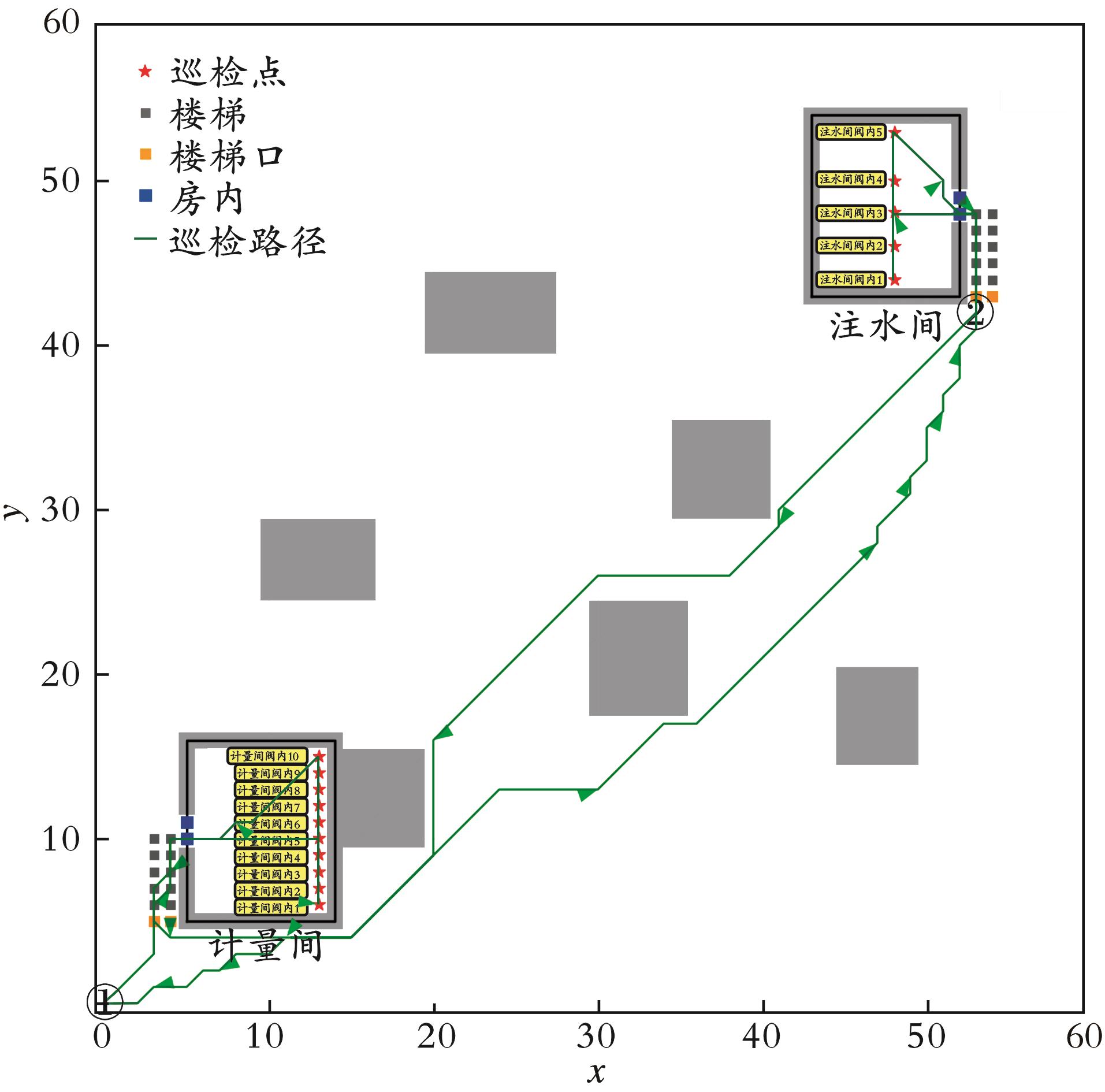
To address the complex layouts and dense inspection points of oilfield metering and water⁃injection facilities, where the conventional A* algorithm exhibits low search efficiency, this study proposes a path⁃planning method for oilfield inspection robots based on an improved weighted A* algorithm. First, metering rooms, water⁃injection rooms, stairways, doors, and various outdoor obstacles were modeled using the actual layout of the Shenyang Oil Production Plant of Liaohe Oilfield Company, and a regular 60×60 grid map was constructed. Multiple inspection targets were then defined according to the actual locations of on⁃site valves. A goal⁃distance⁃dependent dynamic weight function was introduced into the weighted A* framework to strengthen directional guidance during long⁃range planning while yielding smoother and more stable local paths near the target. An adaptive node projection mechanism and eight⁃neighborhood constraints were also incorporated to improve path feasibility and robustness in complex environments. In addition, a lightweight traveling salesman problem (TSP) heuristic based on the nearest⁃neighbor strategy was used to optimize the inspection sequence for indoor valves. Turning⁃point extraction was subsequently applied to simplify the planned paths and eliminate redundant nodes. The proposed method was validated in a three⁃dimensional simulation environment built using ROS2 and RViz. The results show that the improved weighted A* algorithm outperforms the conventional A* algorithm significantly in terms of path length, number of turning points, and trajectory smoothness, thereby enhancing the path⁃planning performance of oilfield inspection robots.
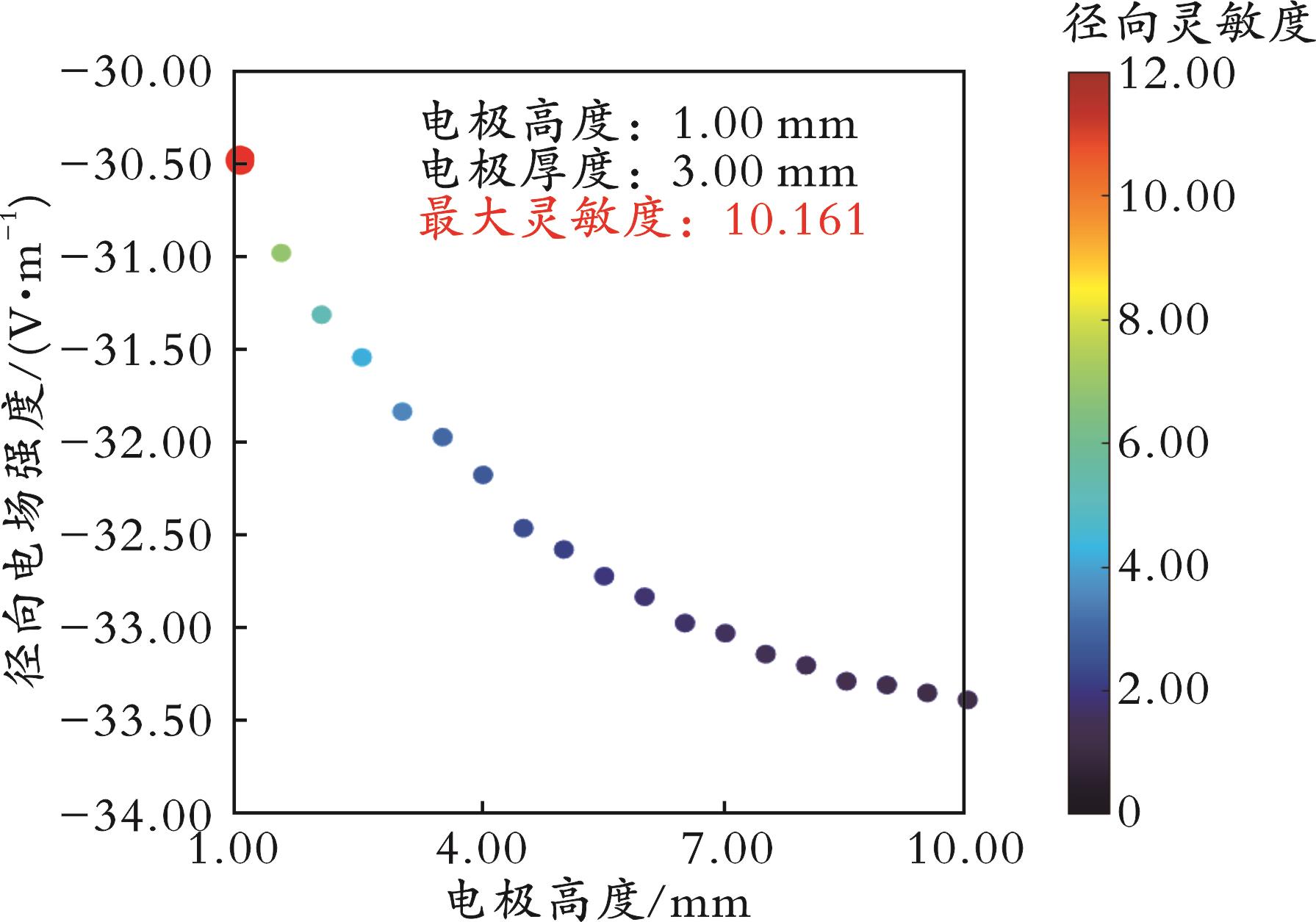
During the middle and late stages of oilfield development in China, crude⁃oil water cut tends to increase, adversely affecting both crude⁃oil production quality and oilfield development efficiency. Accurate measurement of water cut is essential for crude⁃oil processing, transportation, and storage; therefore, real⁃time and precise water⁃cut measurement is of considerable practical importance in oilfield production. To address the challenge of accurately measuring high⁃water⁃cut crude oil in real time, an optimized five⁃electrode measurement configuration was developed for an annular⁃array conductance sensor based on the conductance method. First, the sensor dimensions and structural parameters were optimized through sensitivity analysis using MAXWELL simulation software. Next, a signal excitation circuit and a signal processing circuit were designed to ensure measurement stability and data accuracy. Finally, experiments were conducted to measure the water cut of high⁃water⁃cut crude oil. The results show that the proposed method provides high measurement accuracy, requires simple peripheral circuitry, and exhibits strong resistance to electromagnetic interference. In addition, the system measurements closely follow the actual variation in water cut, with relatively small overall errors and good stability and repeatability.
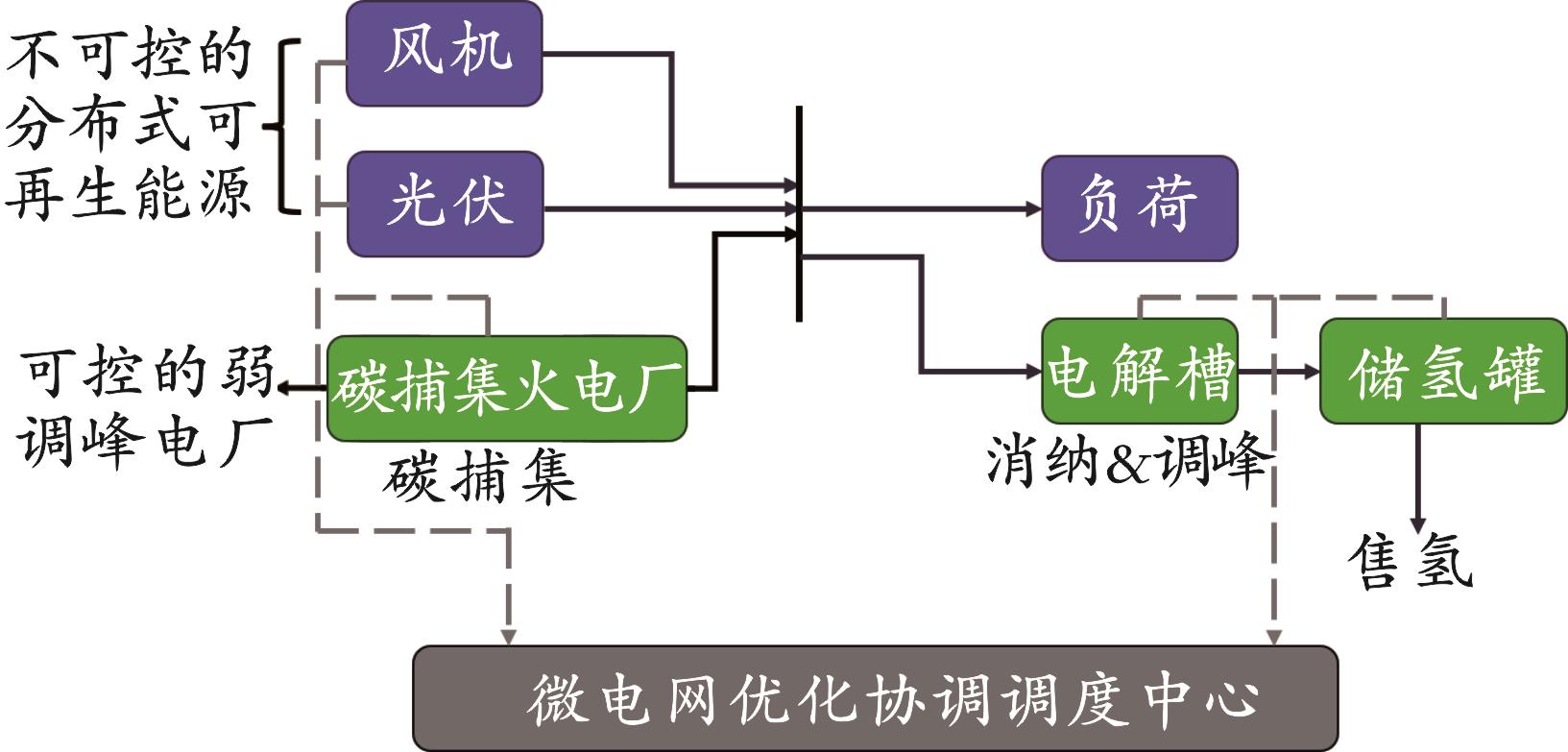
With the advancement of the global energy transition, reducing carbon emissions and improving energy utilization efficiency have become important objectives in power⁃system optimization.As a new form of power scheduling and management, a microgrid uses distributed energy resources and intelligent dispatching technologies to achieve the optimal allocation and scheduling of energy.An improved non⁃dominated sorting genetic algorithm is proposed,and an optimal scheduling model for a microgrid integrating carbon capture and hydrogen energy storage is established. For the non⁃dominated sorting genetic algorithm Ⅱ (NSGA⁃Ⅱ), the original initial population and parent⁃selection strategy are replaced by a good⁃point⁃set population and linear⁃ranking parent selection. Generational distance is used to quantify the convergence performance before and after algorithm improvement. The contributions of carbon capture and hydrogen energy storage to emission reduction and economic performance are verified, and the levels of curtailed power and convergence performance before and after algorithm improvement are comparatively analyzed. The results show that the improved NSGA⁃Ⅱ algorithm has better convergence and global search capability. A microgrid combining carbon capture with hydrogen storage and hydrogen sales can effectively improve both economic performance and emission⁃reduction capability while satisfying load accommodation requirements, and its convergence is significantly better than that of the original method.
Website Copyright © Editorial Department of Journal of Liaoning Petrochemical University
Address: No. 1, west section of Dandong Road, Wanghua District, Fushun City, Liaoning Province Tel:024-56865105 E-mail:lnxuebao@126.com Zip Code:113001
The system is designed and developed by Beijing magtec Technology Development Co., Ltd.