
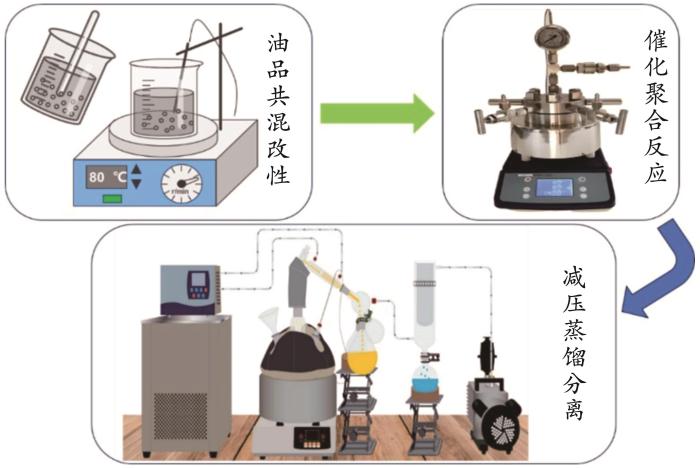
RVR and FCCS were employed as raw materials, modified with ET, high?quality coated asphalt products were obtained through optimization of the preparation process. The raw materials and products were characterized using FT?IR, XRD and TG/DTG. Combined with the information from 1H?NMR, elemental analysis, and molecular weight determination, the reaction mechanism was proposed. The results show that the difficulty of blending and modifying the raw materials is significantly related to the content of asphaltenes and aromatics, higher proportions of asphaltenes and aromatics facilitate the modification process. From the perspective of the reaction mechanism, the +CH?CH
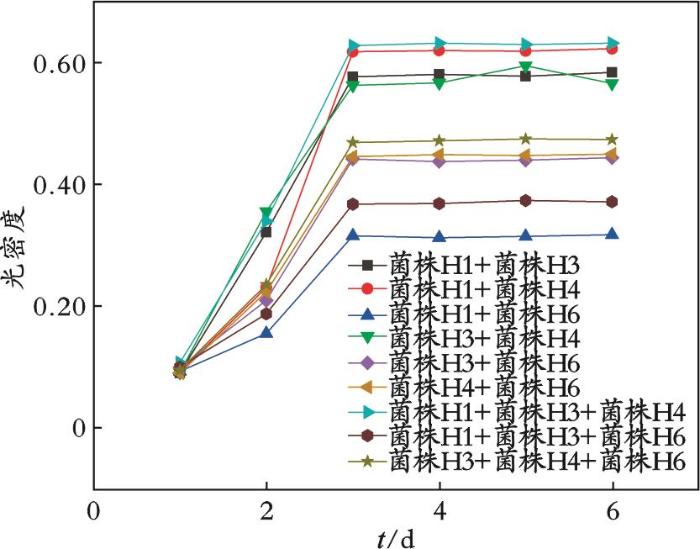
To enhance the flowability of waxy crude oil, seven paraffin?degrading strains were screened using paraffin as the sole carbon source. Their paraffin removal efficiency, emulsification capability, and hydrophobicity were evaluated to identify high?efficiency degraders. Strains with optimal growth characteristics were selected based on growth curves, and microbial consortia were constructed through optimized combinations. Cultivation conditions were further refined using single?factor experiments and response surface methodology (RSM). The orthogonal experimental results indicate that when constructing the compound microbial consortium with Broussonetia papyrifera, the inoculation amounts (volume fractions) of strains H1, H3, and H4 should be 1.0%, 2.0%, and 0.5% respectively, respectively, the paraffin removal rate of the consortium reached 58.7%. The optimized cultivation conditions were determined as follows: temperature at 41.8 ℃, inoculation volume at 3.0%, and shaking speed at 181
r/min. The influence of factors on paraffin removal followed the order: cultivation temperature > inoculation volume > shaking speed. After optimization, the paraffin removal rate of the consortium increased to 62.1%. When the microbial consortium was applied to treat waxy crude oil, the viscosity reduction rate reached 51.5%, significantly improving the fluidity of the crude oil and thereby enhancing pipeline transportation efficiency.
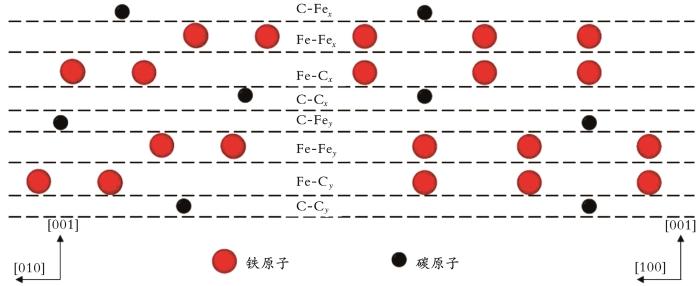
Revealing the micro-and meso-scale hydrogen?induced crack propagation mechanism of high-strength pipeline steel holds significant engineering value for ensuring the safety of hydrogen energy transportation. In this study, a ferrite-cementite interface model with Bagaryatskii crystallographic relationship was established for the pearlite structure formed by eutectoid ferrite (α-Fe) and cementite (Fe3C) in ferrite?pearlite pipeline steel. Combined with Voronoi polygon polycrystalline model and cohesive zone model, the effects of hydrogen atom number fractions, grain size and cementite termination surface on the mechanical properties of pipeline steel in a hydrogen environment were systematically analyzed. The results indicate that at the micro scale, with the increase of hydrogen atom number fractions, the critical interfacial tension of pipeline steel decreases obviously, which decreases by about 3.10% and 7.50% respectively at 2.5% and 5.0% hydrogen atom number fractions, and the fracture energy also shows a downward trend. The order of cementite termination surface according to crack resistance is C-Fe > C-C > Fe-Fe > Fe-C. At the meso-scale, the increase of hydrogen atom number fractions (5.0%) leads to a decrease of 8.39% in the critical stress intensity factor(KIC) and an increase of 12.06% in the crack length. When the grain size is refined from 16 μm2 to 4 μm2, the KIC increases by 31.38% and the crack length decreases by 17.30%. The influence of the termination surface is consistent with the microscopic results. This research provides a theoretical reference for the intrinsic safety evaluation and adaptability analysis of ferrite?pearlite pipeline steel in hydrogen environment.
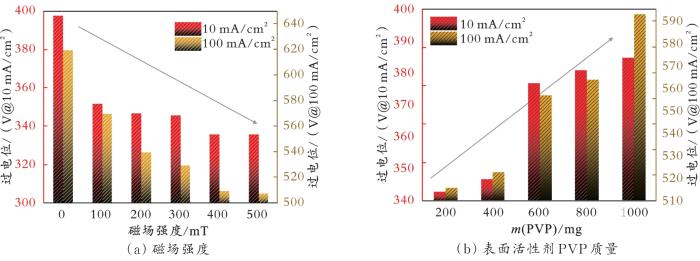
The oxygen evolution reaction (OER) serves as the core step in water?splitting for hydrogen production,and its catalytic efficiency directly affects the economic conversion efficiency of hydrogen energy. In this work, a magnetic field?assisted one?step reduction method was used to successfully prepare amorphous metal boride nanobead catalysts. The phase composition and electrochemical properties of the catalysts were characterized, and the catalysts were applied to promote the OER catalytic reaction. The results show that among the various prepared metal borides, the cobalt?iron boride (CoFeB) directional nanobeads exhibited superior catalytic performance and remarkable stability, requiring an overpotential of only 330 mV at a current density of 10 mA/cm2 with a Tafel slope of 82 mV/dec. The excellent electrocatalytic performance of the catalyst mainly stems from the synergistic effect of Co and Fe, which optimizes the electronic structure of active sites and significantly enhances catalytic efficiency. Furthermore, the effects of magnetic field strength and surfactant mass on the morphology and electrochemical behavior of CoFeB samples were systematically investigated, uncovering the strong correlation between catalytic activity, directional nanoparticle assembly, and structural features. The strategy proposed in this study is simple and scalable, providing a new approach for the design and development of high?efficiency and low?cost metal boride catalysts.
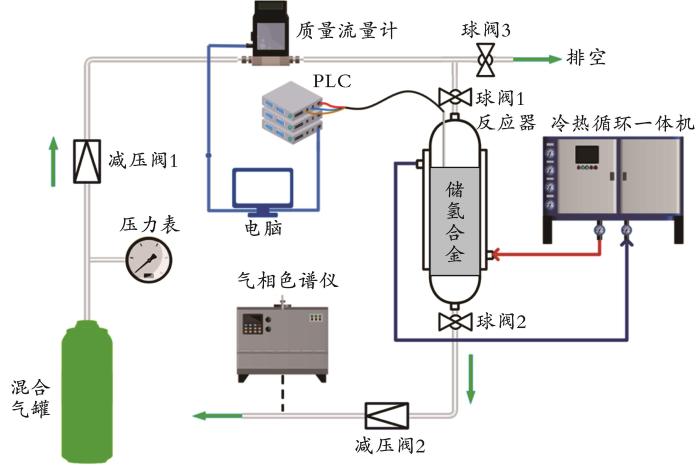
Efficient recovery of low-concentration hydrogen from industrial by?product tail gas is of great significance for energy utilization and low-carbon transition. This study employs a flow-through reactor packed with ReNi4.35Co0.4Mn0.05Al0.2 alloy, using a 25%H2+75%N2 gas mixture as the simulated feed, to systematically investigate the effects of the temperature of the circulating medium, inlet flow rate, and pressure on hydrogen separation and purification performance, with hydrogen utilization efficiency at a cumulative flow of 500 L as the core evaluation index. The results indicate that under the same circulating medium temperature and inlet gas pressure, hydrogen utilization efficiency decreases with increasing flow rate, with a more significant drop in the low to medium flow rate range; the influence of temperature shows a unimodal distribution, with 5 ℃ being optimal (balancing thermodynamics and kinetics); and increasing pressure enhances utilization efficiency, with the pressure-induced improvement more pronounced at low flow rates. The optimal process conditions are as follows: circulating medium temperature of 5 ℃, inlet gas pressure of 5 MPa, and inlet gas flow rate of 5 L/min. Under these conditions, the hydrogen utilization efficiency can reach 97.1%. The research content can provide theoretical and parameter basis for the recovery of low?concentration industrial by-product hydrogen via the metal hydride method.
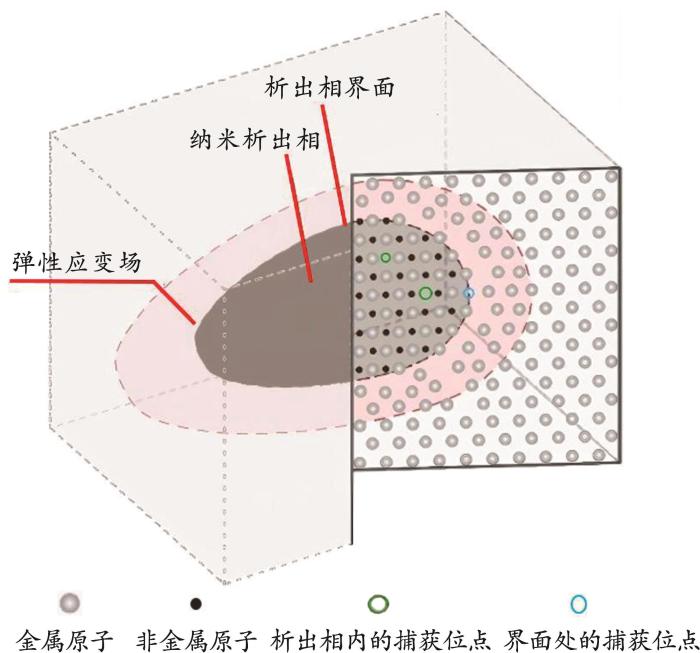
Hydrogen permeation is a pivotal factor inducing hydrogen embrittlement (HE) in pipeline steels. Alloying presents an effective strategy for enhancing both the mechanical properties and HE resistance of these steels. In this review, the atomistic regulating mechanisms of alloying elements on critical steps of hydrogen permeation in pipeline steels are systematically summarized. The hydrogen permeation is considered to involve four critical steps: the adsorption and dissociation of hydrogen molecules, the adsorption and permeation of hydrogen atoms on the surface, the dissolution and migration in the bulk phase, and the segregation behavior at defects.The results show that single alloying element doping can effectively inhibit hydrogen permeation by inducing local lattice distortion, changing charge distribution, regulating bonding characteristics or increasing energy barriers. Furthermore, multi?elements synergic-doping and multi-principal element alloy systems exhibit more complex regulation mechanisms,and the synergistic effect of different elements can further enhance the inhibitory effect on hydrogen permeation. Future research can focus on the effect of multi-elements synergic-doping, the optimization and design of high-entropy alloys, hydrogen trapping under environments with complex defect structures and the development of multi-scale simulation methods, aiming to provide theoretical guidance and design strategies for advanced materials resistant to hydrogen embrittlement.
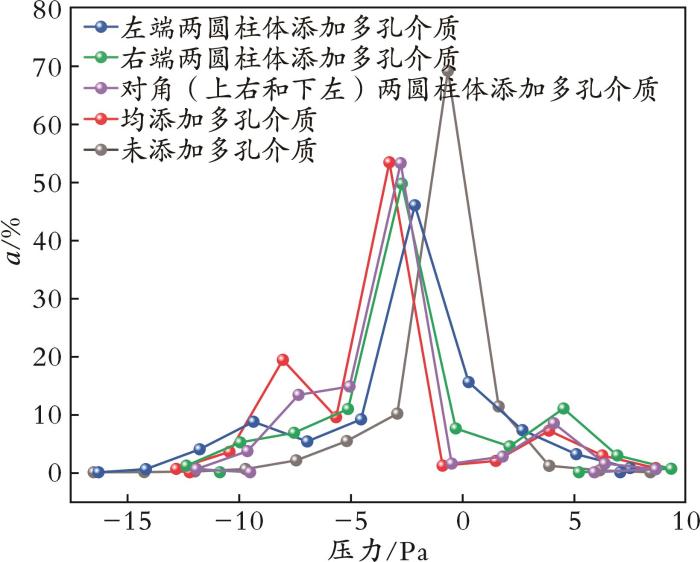
Vortex-induced vibration represents a critical mechanism of structural damage,which not only reduced service life of workpieces but can also lead to structural deformation and failure,thereby posing safety risks or causing economic losses. This study conducts a numerical simulation of vortex-induced vibrations in porous media cylinders using CFD software, employing the k-ω turbulence model and SIMPLE pressure-velocity coupling method.Simulations were carried out on single porous media cylinders, three porous media cylinders,and transversely arranged cylinders in matrix configurations to study vortex-induced vibration problems under various scenarios.By comparative analysis,the study examined the impact of porous media on cylinder vortex-induced vibrations in different arrangement scenarios.The results indicate that in all arrangement scenarios, the addition of porous media can result in uniform force distribution on the cylinders and a more stable flow field,effectively eliminating the occurrence of vortex-induced vibrations.This extends the service life of the workpieces,enhances efficiency,and demonstrates significant practical value and application prospects.
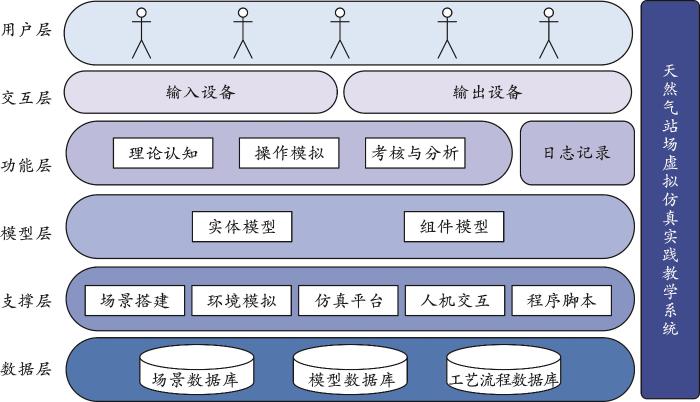
In order to enhance students' understanding of the practical operation of natural gas stations,a virtual simulation practice teaching system for natural gas stations has been designed and implemented.The system comprises four modules for virtual simulation practice teaching: equipment disassembly, safety emergency handling,process simulation (including multi-person cooperation), training and assessment. By collecting data from training and assessment operations,overall and individual knowledge and skills of the students are analyzed and predicted,facilitating targeted guidance for students' continuous improvement in subsequent teaching methods and contents. The establishment of this teaching system assists students in mastering the process equipment of natural gas stations while enhancing their engineering capabilities.
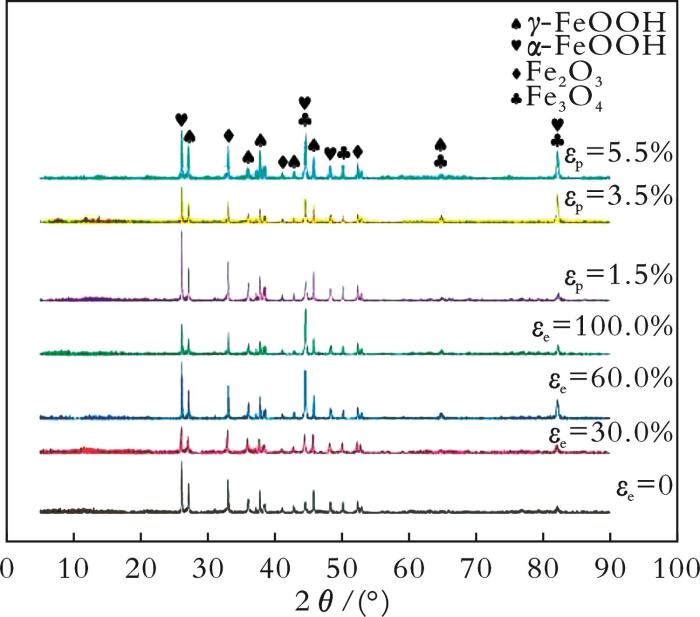
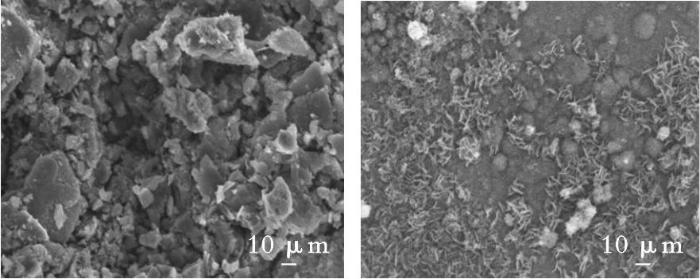
The effect of elastic and plastic strain on corrosion behavior of X90 pipeline steel in a simulated marine alternating dry/wet environment was investigated by means of slow strain rate tensile test, in?situ electrochemical measurement, scanning electron microscope (SEM) observation and X-ray Diffraction (XRD) test. The results indicate that in the elastic strain regime, the corrosion susceptibility of X90 pipeline steel increases with the enhancement of elastic strain, but the effect is not pronounced. In the plastic strain regime, the corrosion susceptibility of X90 pipeline steel increases significantly with the enhancement of plastic strain. The most severe surface corrosion of X90 pipeline steel occurs at a plastic strain level of 5.5%. It is attributed to the mechano-electrochemical effect of X90 pipeline steel under external stress. The corrosion mechanism is anode dissolution dominated and hydrogen evolution assisted. The result of corrosion product analysis show that strain has no significant effect on the type of corrosion products.
To improve the mechanical properties and corrosion resistance of zinc coatings, zinc graphene oxide (Zn-GO) composite coatings were prepared by direct current electrodeposition method. The microstructure, mechanical properties, and corrosion resistance of Zn-GO composite coatings were systematically studied using scanning electron microscopy (SEM), energy dispersive spectroscopy (EDS), X-ray diffraction (XRD), uniaxial tensile testing (SSRT), and electrochemical testing, and compared with traditional pure zinc coatings. The results showed that the addition of graphene oxide significantly optimized the crystal structure of the coating, increasing the tensile strength of the coating by about 6.3% and the yield strength by about 3.2%. The corrosion current density of Zn-GO composite coating was reduced by 80% compared to pure zinc coating, demonstrating excellent corrosion resistance. Zn?GO composite coating has a long corrosion resistance life. Zn-GO composite coating has high potential for application in marine anti-corrosion.
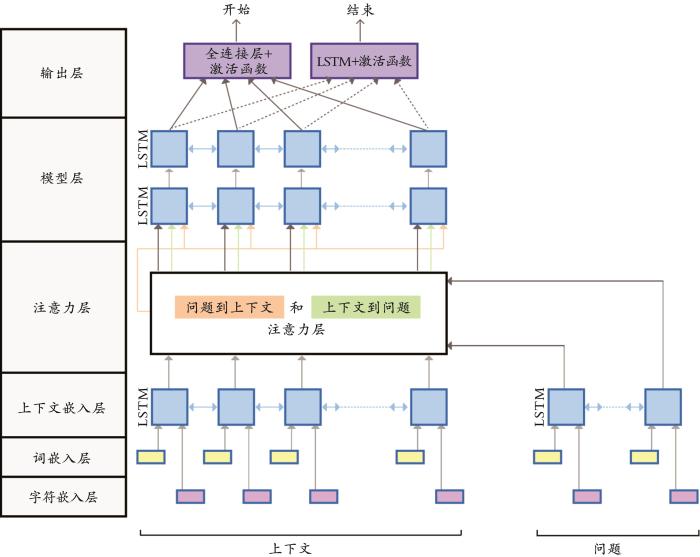
Machine Reading Comprehension(MRC) aims to enable machines to independently reason and extract information and answer questions. This study proposes improvements based on the Bidirectional Attention Flow(BiDAF) model to enhance the accuracy and efficiency of the question-answering system.Firstly, the BiDAF model imposes constraints on text length during modeling, which may lead to the loss of answers when processing long texts. To address this issue, a sliding window mechanism is introduced to retain excessive information within the same text. Secondly, due to the use of Long Short Term Memory (LSTM) in the model, it is difficult for the model to capture distant time step information, resulting in long-term dependence issues and poor parallelization capability; Based on this, an Encoder model based on self-attention mechanism is used to extract text information. Finally, for the limited length, the method of matching within the group and external sorting outside the group is designed to obtain the position information of model training. Test results of the improved BiDAF model on the public dataset SQuAD show that the F1 score and Exact Match (EM) rate have increased by 2.48 percentage points and 11.86 percentage points respectively compared with the traditional BiDAF model.
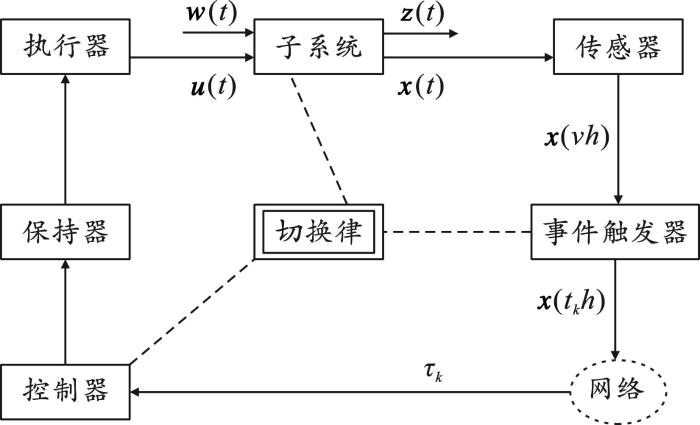
The problem of H∞ bumpless transfer control for networked switched systems with exogenous disturbance is investigated via an event?triggered mechanism. A novel method is first proposed to characterize the bumpless transfer performance at both switching instants and triggering instants, and an adaptive event?triggered mechanism dependent on the control bumps is designed to effectively suppress the sharp jumps in control signals resulting from the combined effects of subsystem switching and event-triggering. A dwell time-dependent and state?dependent hybrid switching law is developed. This strategy overcomes the limitations of conventional state?dependent switching laws by relaxing the non?increasing requirement of the Lyapunov function at switching points. Furthermore, by using the multiple Lyapunov function method, the sufficient conditions for the networked switched systems to be exponentially stabilizable with H∞ bumpless transfer performance are given, the H∞ bumpless transfer controller is also designed. Finally, a numerical example is provided to demonstrate the validity and superiority of the results in this paper.
Website Copyright © Editorial Department of Journal of Liaoning Petrochemical University
Address: No. 1, west section of Dandong Road, Wanghua District, Fushun City, Liaoning Province Tel:024-56865105 E-mail:lnxuebao@126.com Zip Code:113001
The system is designed and developed by Beijing magtec Technology Development Co., Ltd.