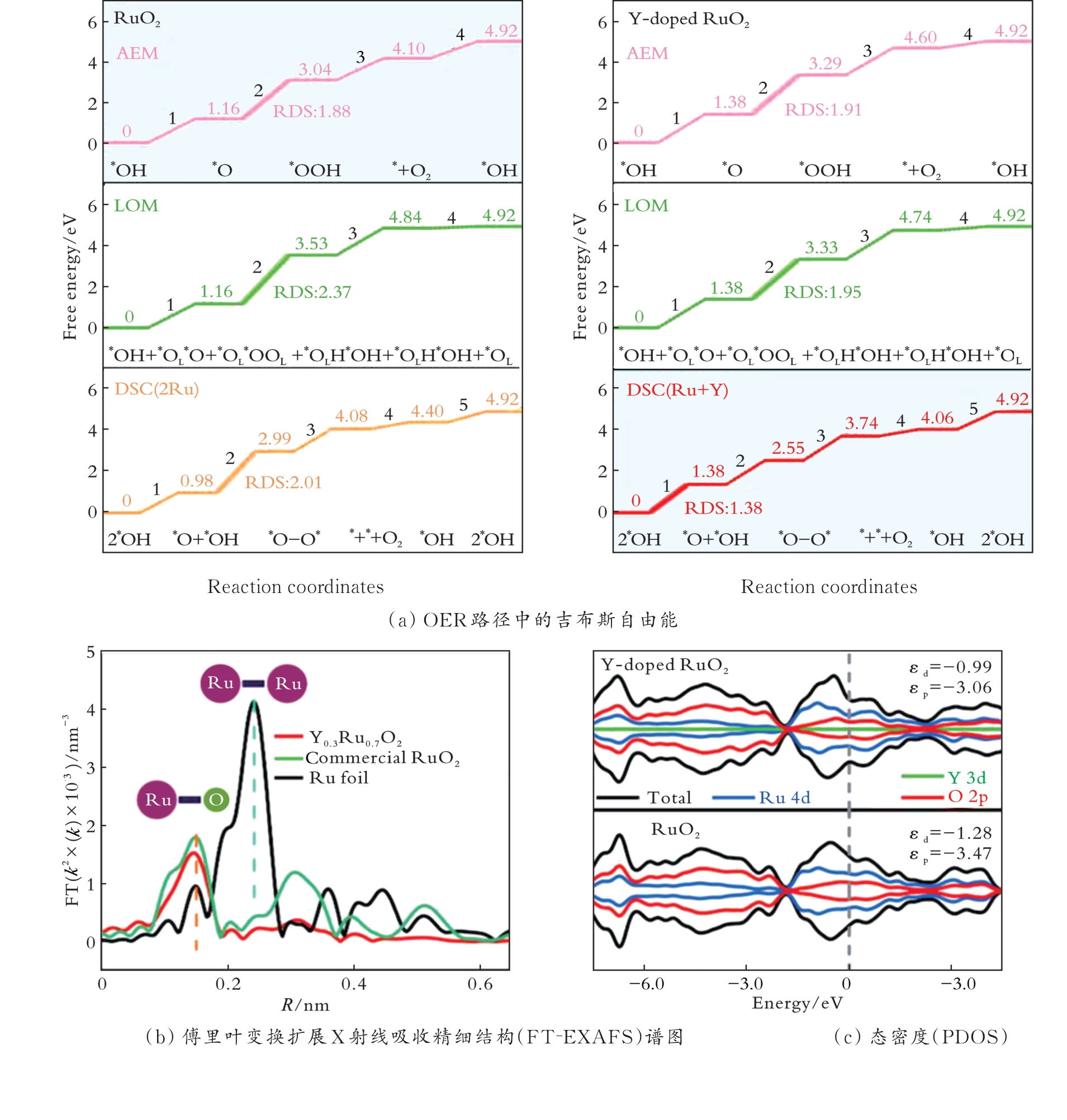
Rareearth elements (REEs), with their unique 4f electronic configurations,tunable valence states,and exceptional oxygen affinity,demonstrate irreplaceable regulatory value in the rational design of electrocatalysts for water electrolysis.This review systematically elucidates the key strategies,mechanistic insights, and recent advances in REE?enhanced electrocatalytic performance.First,the modulation effect of REEs on the electronic structure of catalysts and the mechanism of performance enhancement are analyzed in depth.Second,the research progress of three modulation strategies?rare?earth atomic doping, heterointerfacial construction and dynamic surface reconstruction?for improving the performance of hydrogen evolution reaction (HER) and oxygen evolution reaction (OER) is discussed in detail.Particular attention is paid to revealing the intrinsic correlation between REE?induced electronic structure modulation and improved catalytic performance.Finally,critical challenges confronting current research are identified,and future research directions are proposed,including the rational design of rare?earth?based electrocatalysts,in?situ characterization techniques,exploration of multi?factor synergistic mechanisms,and recycling of rare earth resources.This work provides systematic research insights to advance the industrialization of water electrolysis for hydrogen production.
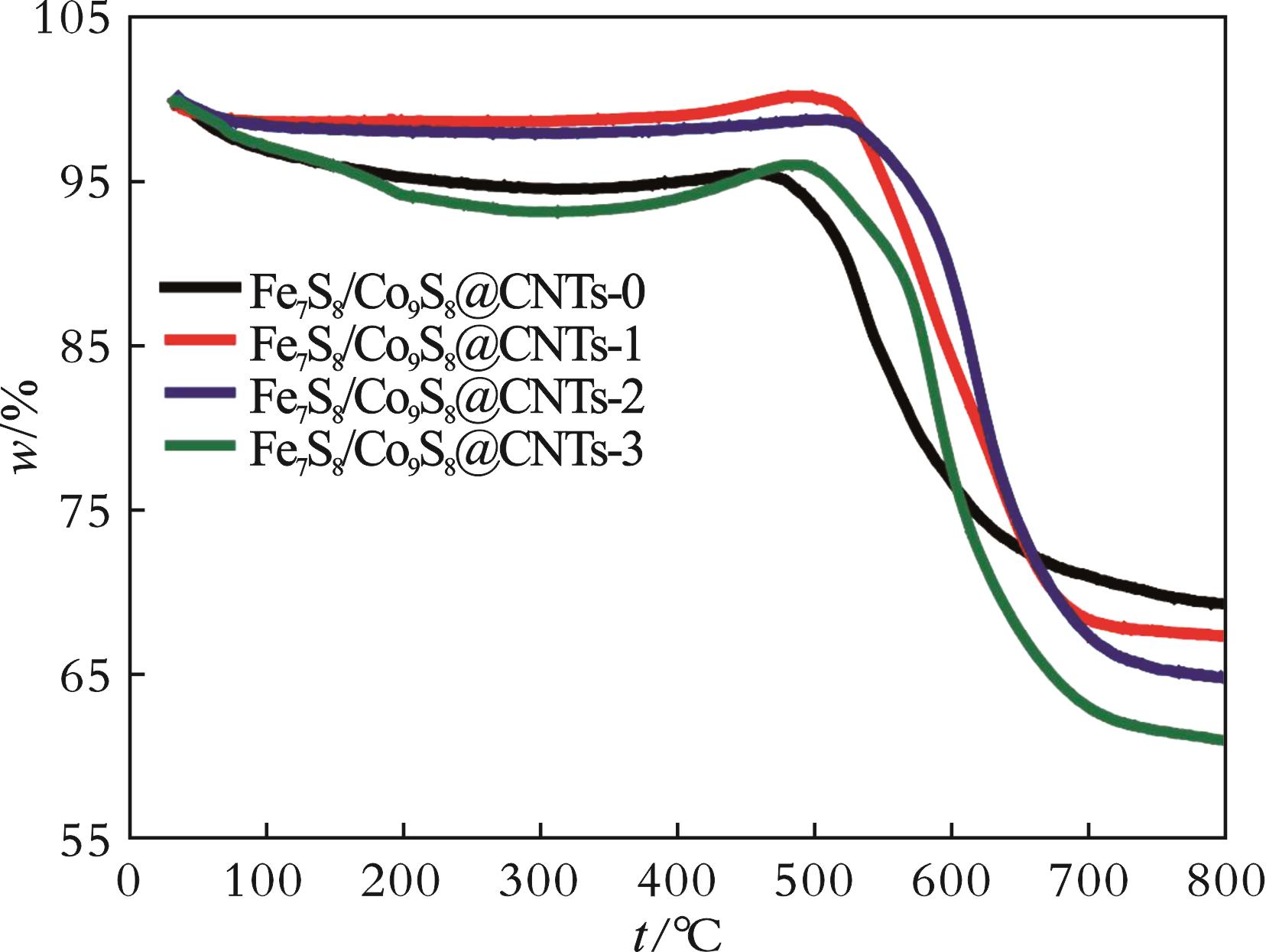
Carbon nanotubes (CNTs) have excellent dielectric properties,yet single?component CNTs easily cause impedance mismatch due to the absence of magnetic loss mechanisms.Compounding them with magnetic materials to achieve dielectric?magnetic loss synergy is an effective solution,while the inherent laws of how component ratios systematically affect wave?absorbing performance remain poorly explored.In this study,Fe7S8/Co9S8@CNTs composites were prepared via a one?step calcination method.By adjusting the ratio of carbon nanotubes to magnetic materials,this study systematically investigated the effects of the two?component ratio on the material's phase structure,micro?morphology,electromagnetic parameters,and wave?absorption performance.Results show Fe7S8/Co9S8@CNTs nanoparticles are uniformly loaded on the inner cavities and outer walls of CNTs. Dielectric loss dominates wave absorption,originating from heterogeneous interfacial polarization,dipole polarization and conductive loss,while magnetic loss is synergistically contributed by natural resonance,exchange resonance and eddy current loss. Optimizing the ratio of carbon nanotubes to magnetic materials achieves the optimal balance between attenuation constant and impedance matching.At a carbon content of 25.27%,Fe7S8/Co9S8@CNTs?2 exhibits a minimum reflection loss of -53.3 dB at 2.3 mm thickness,with an effective absorption bandwidth of 4.7 GHz.This study reveals the influence law of component ratio regulation on wave?absorbing performance, providing experimental basis and design insights for optimizing carbon?based multi?component wave?absorbing materials.
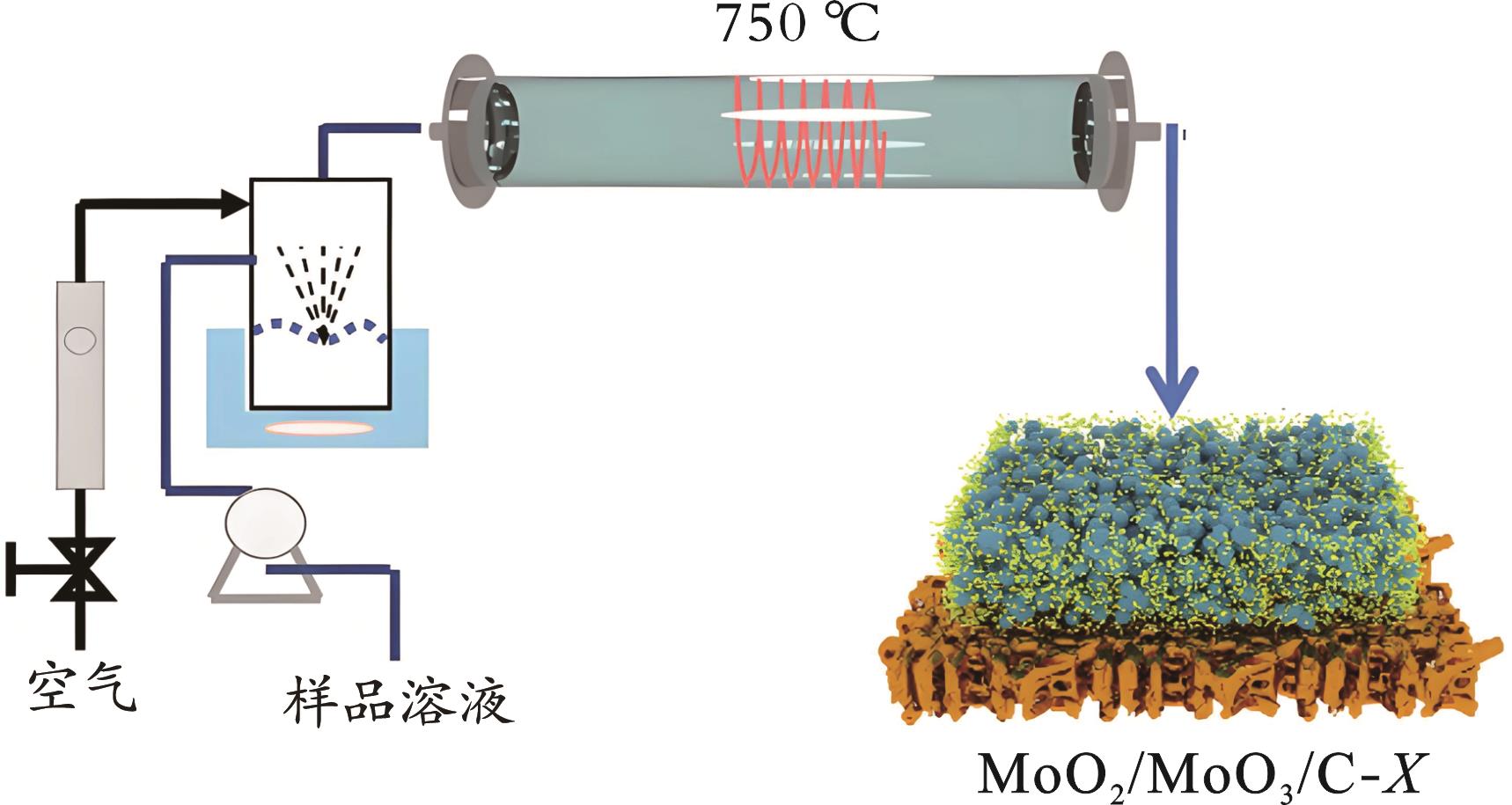
Transition metal compounds have attracted significant attention as anode materials for lithium?ion batteries (LIBs) owing to their high theoretical capacities. Molybdenum?based compounds exhibit superior electrical conductivity compared to conventional metal oxides. However, their cycling stability requires further improvement. An ultrasonic spray pyrolysis method was used to prepare self?supported MoO2/MoO3/C composite microspheres, and the mass concentration of hydrothermal glucose?derived carbon quantum dots was exploited to optimize the microstructures of the composites. A suite of characterization techniques including scanning electron microscopy (SEM), X?ray photoelectron spectroscopy (XPS), and thermogravimetric analysis (TGA) were employed to systematically investigate the micromorphology and crystal structural features of the as?prepared materials. Lithium storage and electrochemical performance tests were also carried out. The results demonstrate that MoO2/MoO3 heterojunctions are homogeneously embedded within the carbon matrix to form a stable conductive network. After 100 cycles at a current density of 0.2 A/g, the composite retains a discharge specific capacity of 914.8 mA·h/g, exhibiting outstanding cycling stability and lithium storage capability. This study offers an effective approach for designing high?performance molybdenum?based anode materials for LIBs.
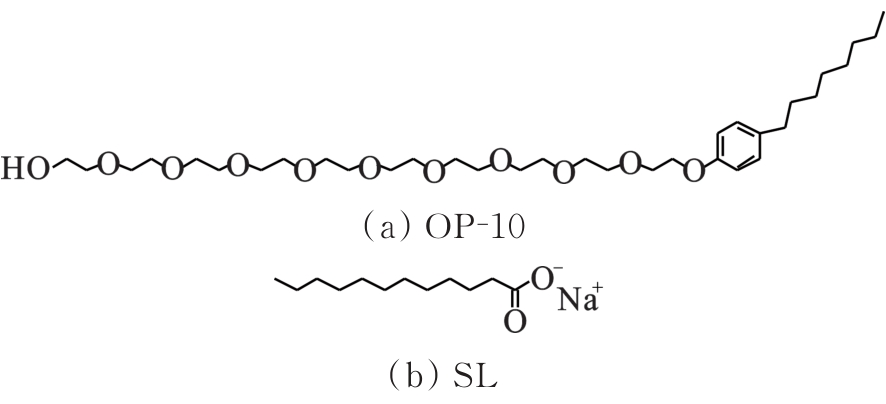
The high viscosity of heavy oil primarily stems from the aggregation of asphaltene molecules. Currently, surfactants are widely used as viscosity reducers to effectively lower the viscosity of heavy oil. This study employed molecular dynamics simulations and quantum chemical calculations to investigate the interactions between viscosity reducers?10 (OP?10)and sodium laurate (SL) with asphaltenes at different concentrations. The results show that when the molecular number of OP?10 (N(OP?10))=120 and the molecular number of SL (N(SL))=400, the composite viscosity reducer OP?10/SL can form micellar structures with asphaltenes. Meanwhile,the total number of hydrogen bonds in the system increases significantly from approximately 1 000 at N(OP?10)=30 and N(SL)=100 to about 3 800, forming a stable three dimensional hydrogen bond network. Based on visual analysis of simulation snapshots, statistics of hydrogen bond quantities and electrostatic potential distribution analysis, the viscosity reduction mechanism of this composite viscosity reducer is revealed, which provides a theoretical basis for the design and application of composite viscosity reducer systems represented by OP?10/SL.
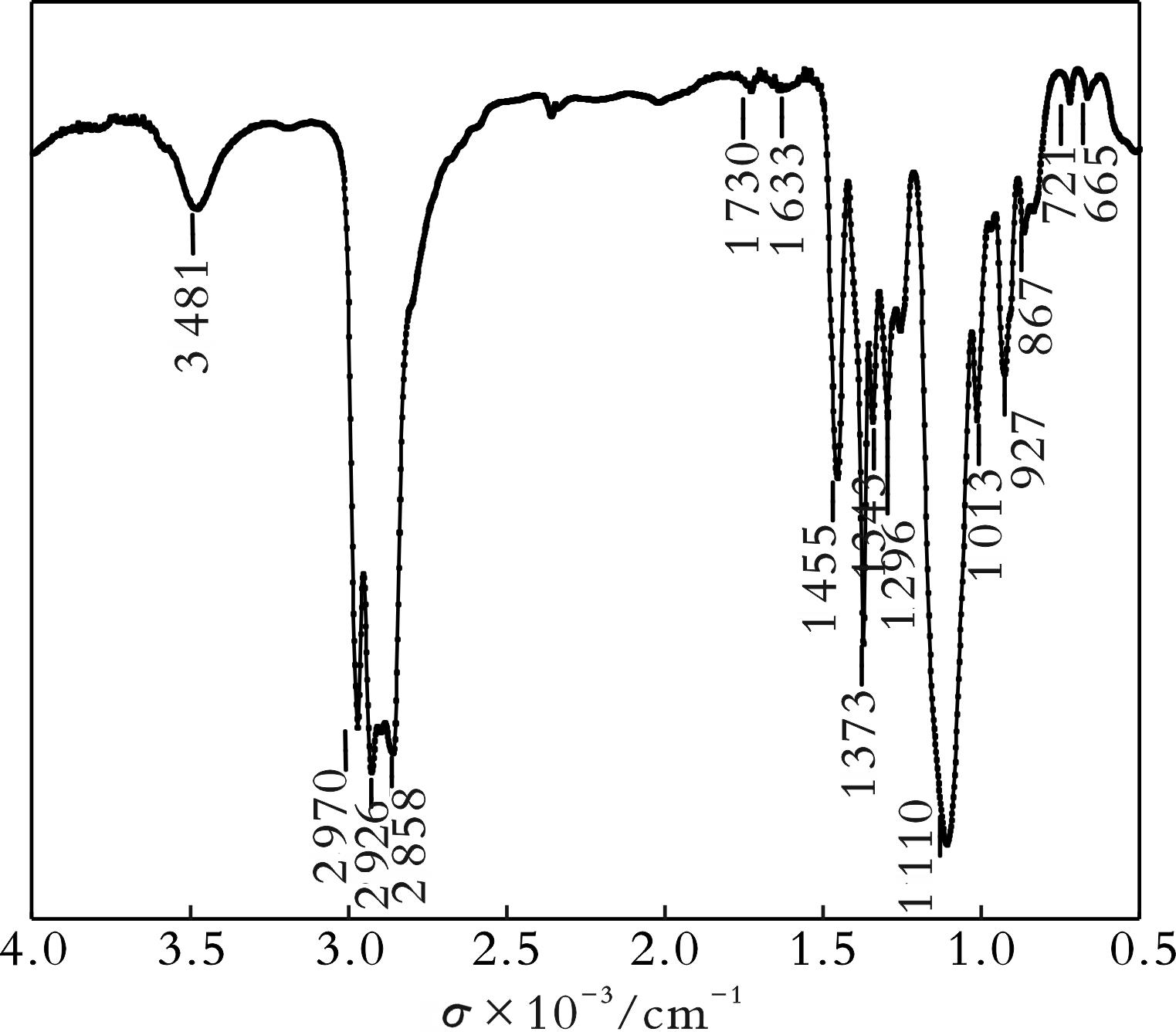
Low?molecular?weight isomeric decanol polyether and high?molecular?weight fatty alcohol polyether were synthesized using a calcium sulfate?type (JD?20S) catalyst. The raw material conversion rate of the isomeric decanol polyether was determined by gas chromatography, and the structure of the fatty alcohol ether product was characterized by FT?IR and 1H?NMR. Indicators such as the cloud point and surface tension of fatty alcohol block polyether 4# were tested. The foam height, detergency rate, and other parameters of sodium dodecylbenzenesulfonate (LAS) compounded with isomeric decanol polyether 2#, fatty alcohol polyether 4#, and fatty alcohol ether AEO9 were investigated. The results showed that in the synthesis reaction of isomeric decanol polyether, when the JD?20S catalyst was used, the raw material conversion rate reached 92.91%±0.22% (The number of parallel experiments is N=5), which was 23.32% higher than that of the traditional KOH catalyst, indicating that JD?20S possesses both high catalytic activity and excellent narrow?distribution performance. The actual structure of the synthesized polyether product was consistent with the theoretical design, proving that the target product was successfully synthesized. The cloud point of polyether 4# was only 15.3 ℃, making it suitable for room?temperature washing. When m(LAS)/m(isomeric decanol polyether 2#)/m(fatty alcohol polyether 4#)/m(AEO9)=1.0∶0.5∶1.0∶0.5, the initial foam height was (9.4±0.1) mm, and the detergency rate at 20 ℃ reached (84.56±0.31)%. Fatty alcohol polyether 4# exhibits excellent room?temperature foam?inhibiting performance. Besides automatic dishwashers, it can also be extended to industrial cleaning applications.
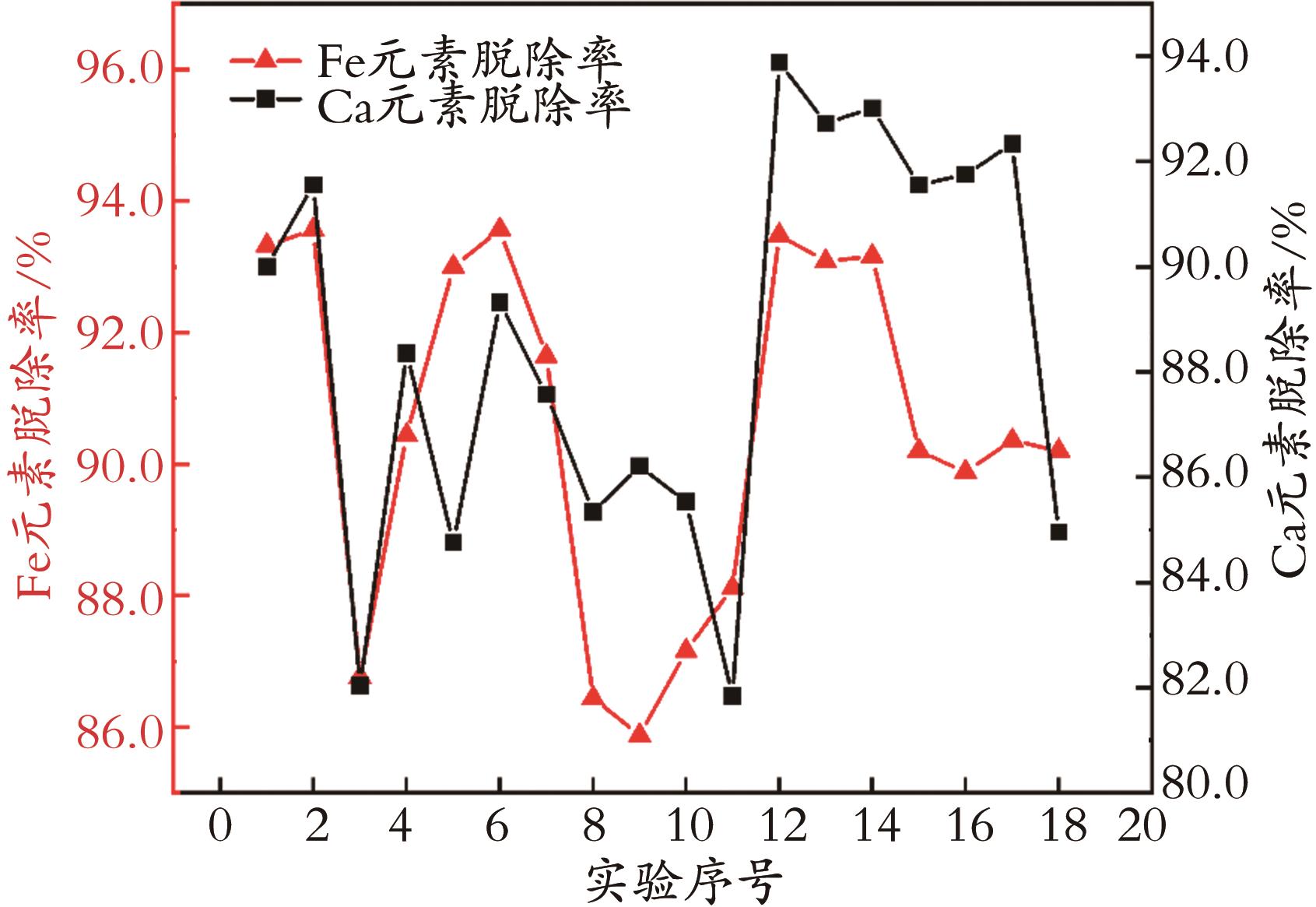
With reference to the national standards, the general properties of a mixed crude oil with a Russian crude mass fraction of 30% were measured.A novel metal?removal agent for crude oil,featuring a multidentate structure and favorable hydrophilicity, was developed, and its demetallization efficiency was assessed through orthogonal array experiments.The results show that the mixed crude oil is acid?containing light crude oil, which mainly contains five metal elements:iron,nickel,calcium,sodium,and vanadium.The new type of crude oil demetallizer shows excellent demetallization performance for mixed crude oil.However,the degree of influence of various operating conditions on the removal of different metal elements varies significantly.Temperature and the intensity of the weak electric field have the most significant effects on the removal of iron and calcium elements,respectively.In terms of total removal rate,the optimal operating conditions obtained from orthogonal experiments are as follows:temperature of 120 ℃,settling time of 10 min,the mixing intensity is 100 times/min,strong electric field strength of 1 000 V/cm,strong electric field action time of 2 min, weak electric field strength of 400 V/cm, and weak electric field action time of 15 min.Under the above conditions,the removal rates of iron,calcium, and sodium elements are all above 94.00%,and the total removal rate of the five metal elements reaches 66.66%,achieving deep removal of metal elements in mixed crude oil,and indicating that the developed new?type crude oil demetallization agent has good demetallization performance for this type of mixed crude oil.
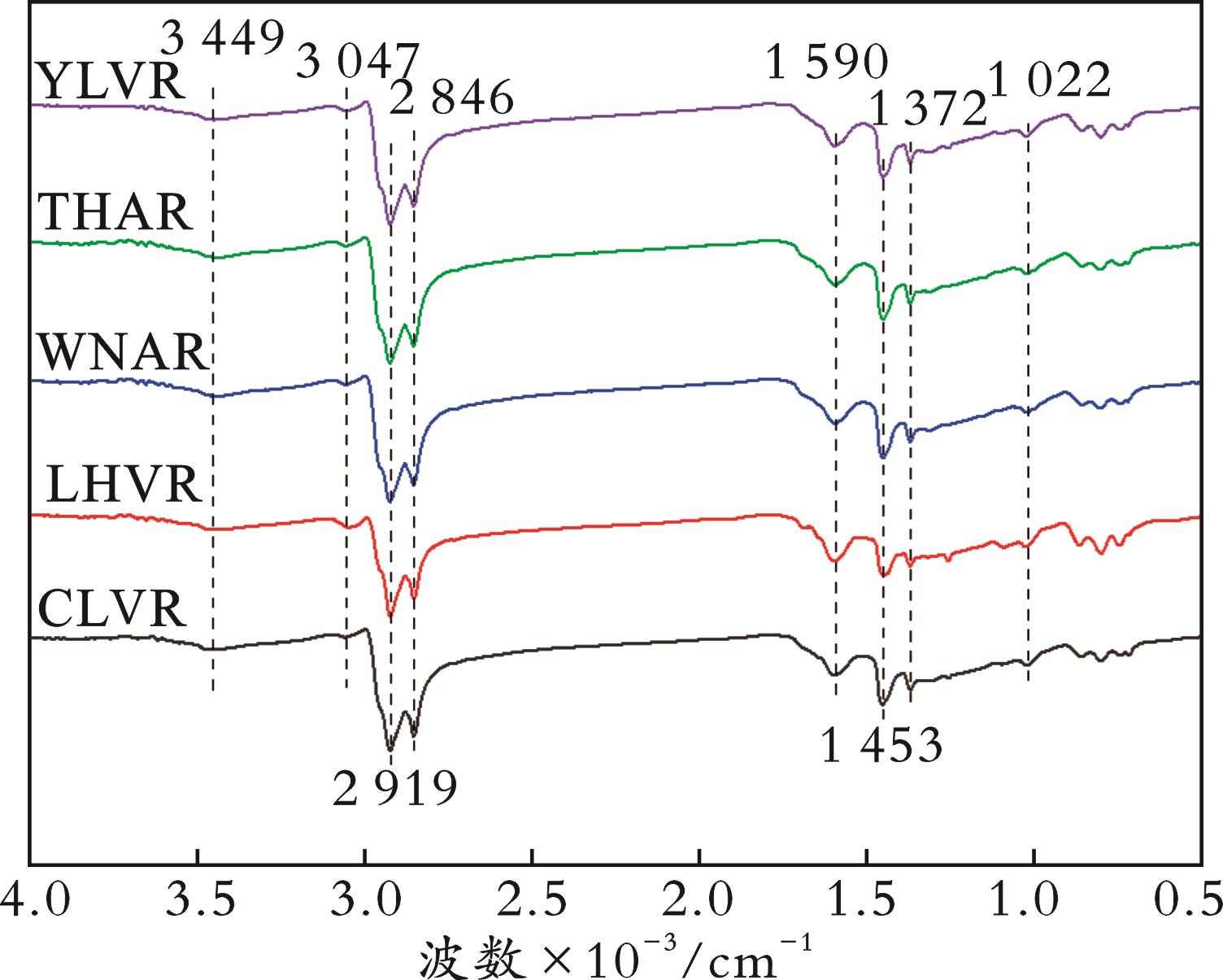
The structural composition of different asphaltenes,which were separated by n?heptane fromVenezuelan atmospheric residue (WNAR), Liaohe vacuum residue (LHVR), Tahe atmospheric residue (THAR), Iranian vacuum residue (YLVR), and Chunliang vacuum residue (CLVR), was investigated by FT?IR and XPS. FT?IR results show that the substituents on benzene rings of asphaltenes are diverse, dominated by meta?disubstituted or trisubstituted benzene rings, while monosubstituted benzene rings are barely detected. Hydroxyl and sulfoxide groups existed in different asphaltenes. Oxygen?containing functional groups were dominated by aromatic ethers, and the aliphatic C-H structure was dominated by -CH? groups. XPS results indicate that surface carbon species of asphaltenes are primarily aromatic carbon with few carbon oxygen bonds, which are mostly C—O, whereas C=O and —COOH account for a very low proportion. Surface nitrogen species are mainly pyridinic nitrogen and pyrrolic nitrogen, with a small fraction of quaternary nitrogen. Surface sulfur species consist mainly of thiophenic sulfur and aliphatic sulfur. Good consistency is achieved between the two characterization results, which further verifies the accuracy of the understanding of asphaltene structural composition.
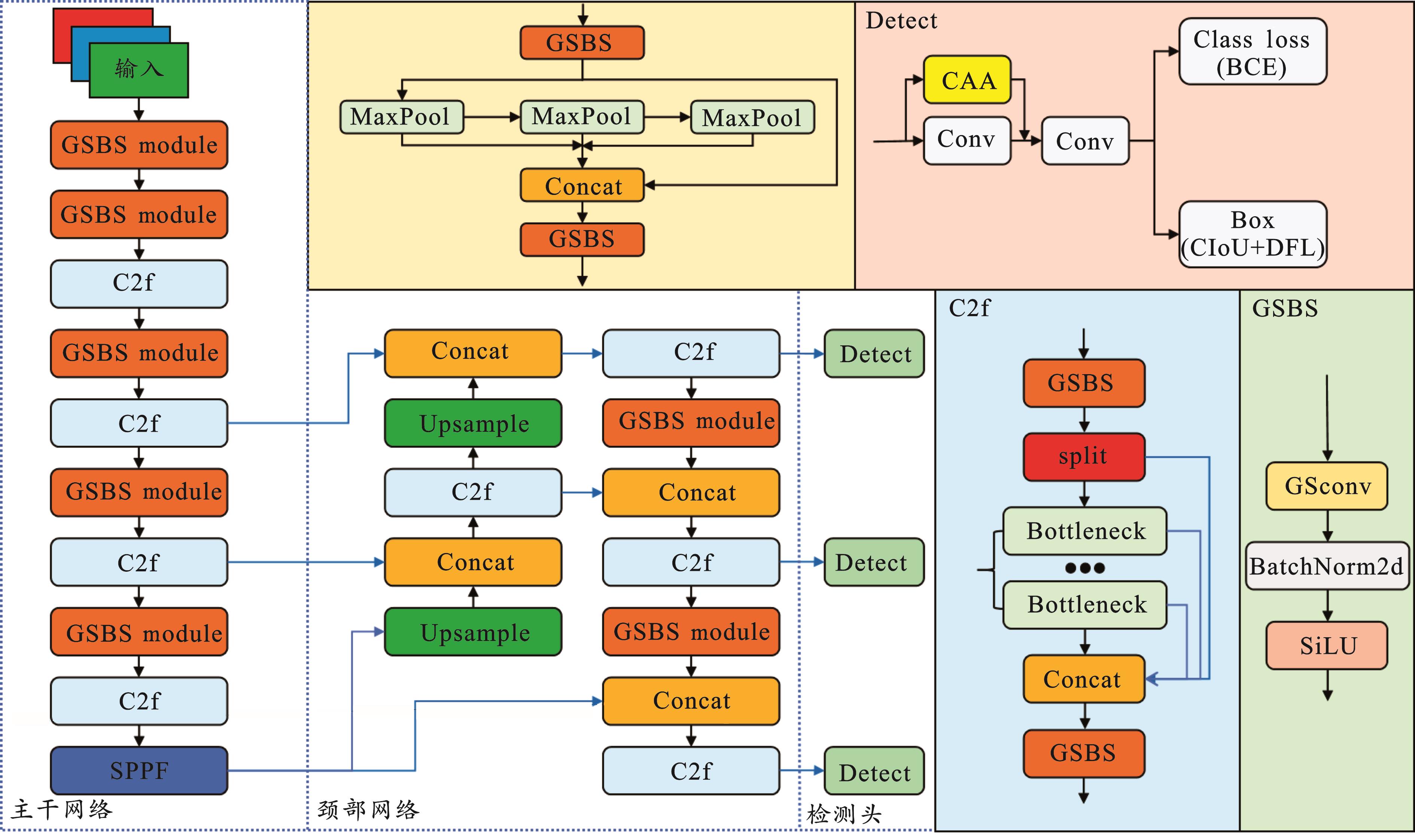
With the continuous upgrading of environmentally friendly production technologies, accurate monitoring of suspended particulates has become a pivotal step toward improving geological and ecological environmental quality. A real?time detection paradigm for micro?particles in petroleum produced water is proposed.Within the YOLOv8 framework, GSConv is lightweightly coupled with Contextual Anchor Attention (CAA) to form a GSConv?CAA joint module. First, an improved YOLOv8 localizes particles and crops the corresponding regions of interest. Next, a frequency?domain?gradient hybrid blur metric is designed to automatically discard low?quality sub?images. Finally, a morphological algorithm is employed to rapidly fit the equivalent diameters of the particles. To maintain representational capacity while reducing computational burden, we replace the standard convolutions in the CBS modules with GSConv and embed a CAA module into the detection head, explicitly modeling long?range pixel?wise dependencies and further enhancing central?region features. Experiments on a self?built oilfield water sample dataset show that the proposed method achieves a precision of 81.6%, AP50 (average precision calculated at an intersection over union of 0.5) of 82.2%, and an F1 score of 77.6%, with an inference speed of 214 FPS. This provides a feasible solution for real?time, high?precision monitoring of suspended particles in petroleum produced water.
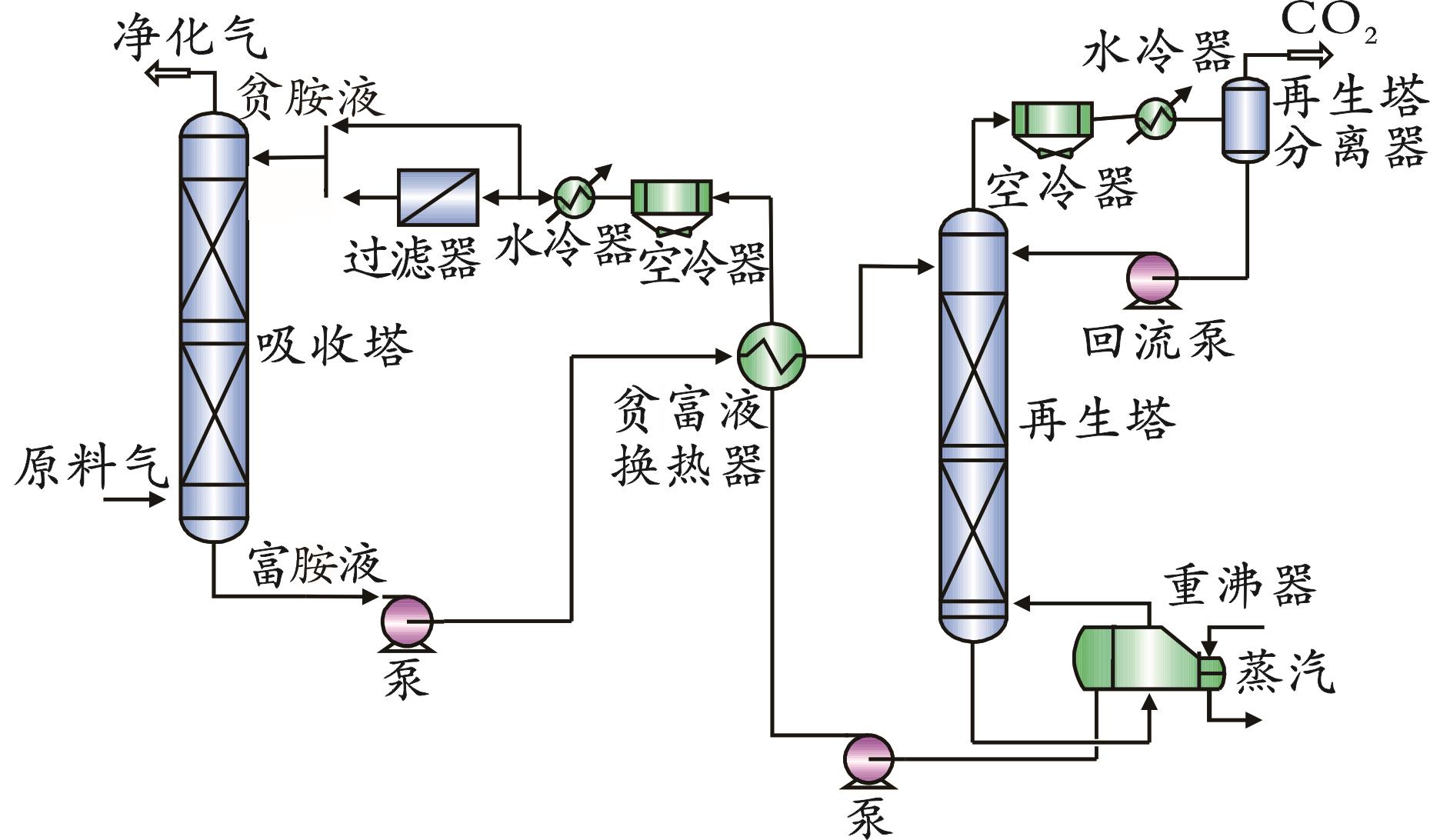
To reduce the energy consumption and improve the efficiency of the carbon capture system, the methyldiethanolamine (MDEA)+piperazine (PZ)?based carbon capture process was studied with HYSYS based on the CCUS?EGR pilot test of the Maokou Formation gas reservoir in the Wolonghe Gas Field, southwestern China. The optimal operating parameters were determined by sensitivity analysis and response surface methodology (RSM) as follows: mass fraction of MDEA in the lean solution at 26.6%, mass fraction of PZ in the lean solution at 10.3%, lean amine solution flow rate at 70.3 m3/h, and the lean amine solution inlet temperature at 25 ℃. Under these conditions, specific energy consumption for CO? removal was reduced by 8.3%, and the CO2 removal rate was increased by 17.0%, reaching 99.8%. Accordingly, an optimized carbon capture process scheme was proposed, involving primary pressurization followed by carbon capture and the addition of lean amine solution circulation. After improvement, the system energy consumption was reduced by 11.9%.