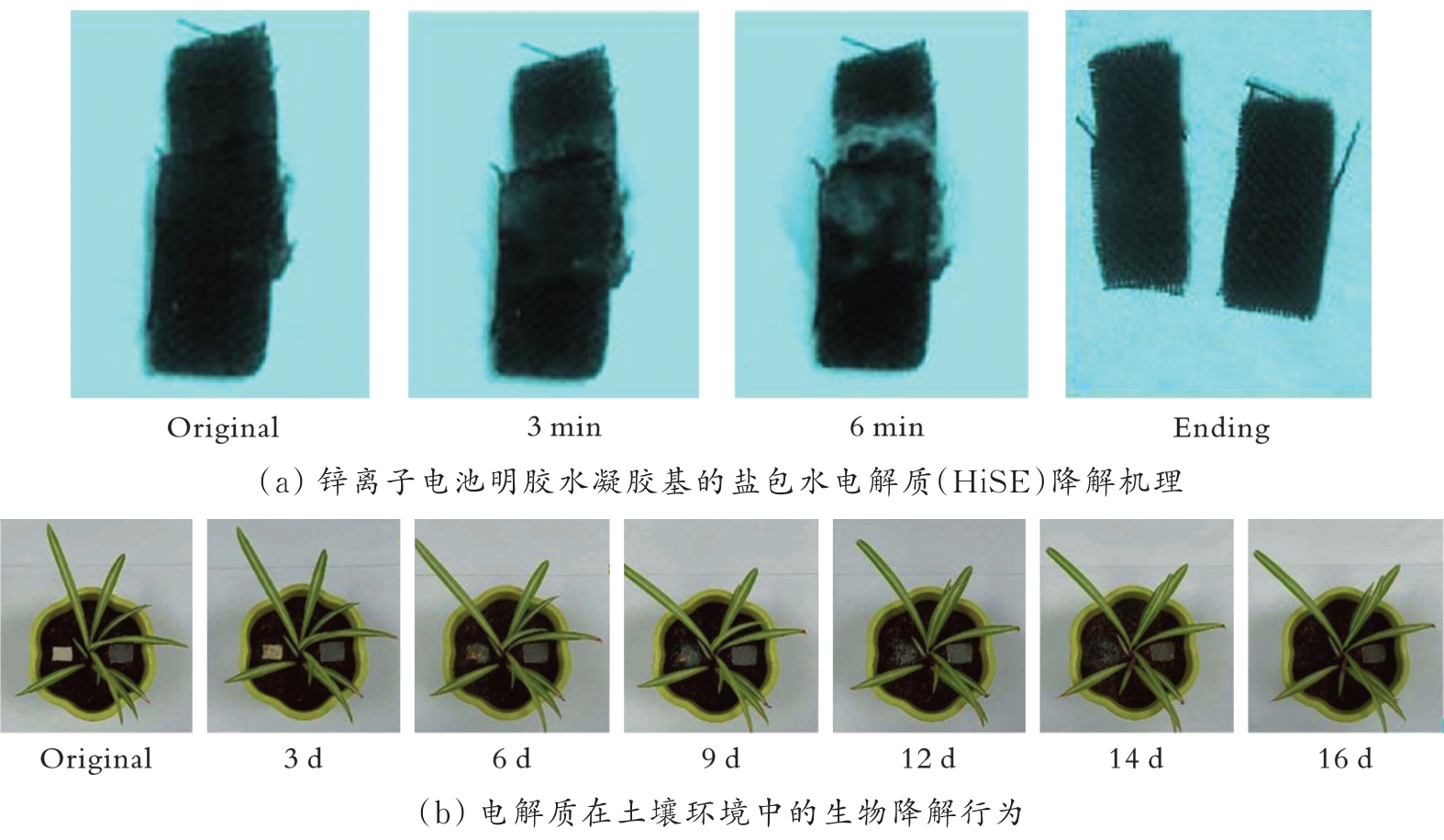
Aqueous zinc-ion batteries (AZIBs) exhibit tremendous application potential in cutting-edge interdisciplinary fields such as wearable devices and biomedicine owing to their high safety, low cost, excellent electrochemical performance, and good biocompatibility. This paper provides a systematic review of structural-engineering strategies and recent advances in their gel electrolytes, with particular emphasis on the integrated optimization of ionic conduction, biocompatibility, mechanical properties, and interfacial stability of hydrogel and polymer electrolytes guided by molecular engineering and interfacial regulation. Furthermore, the development potential and evolution trends of hydrogel electrolytes in flexible integration and biomedical applications are discussed. This research provides novel ideas for the design and expanded application of high-performance hydrogel electrolytes.
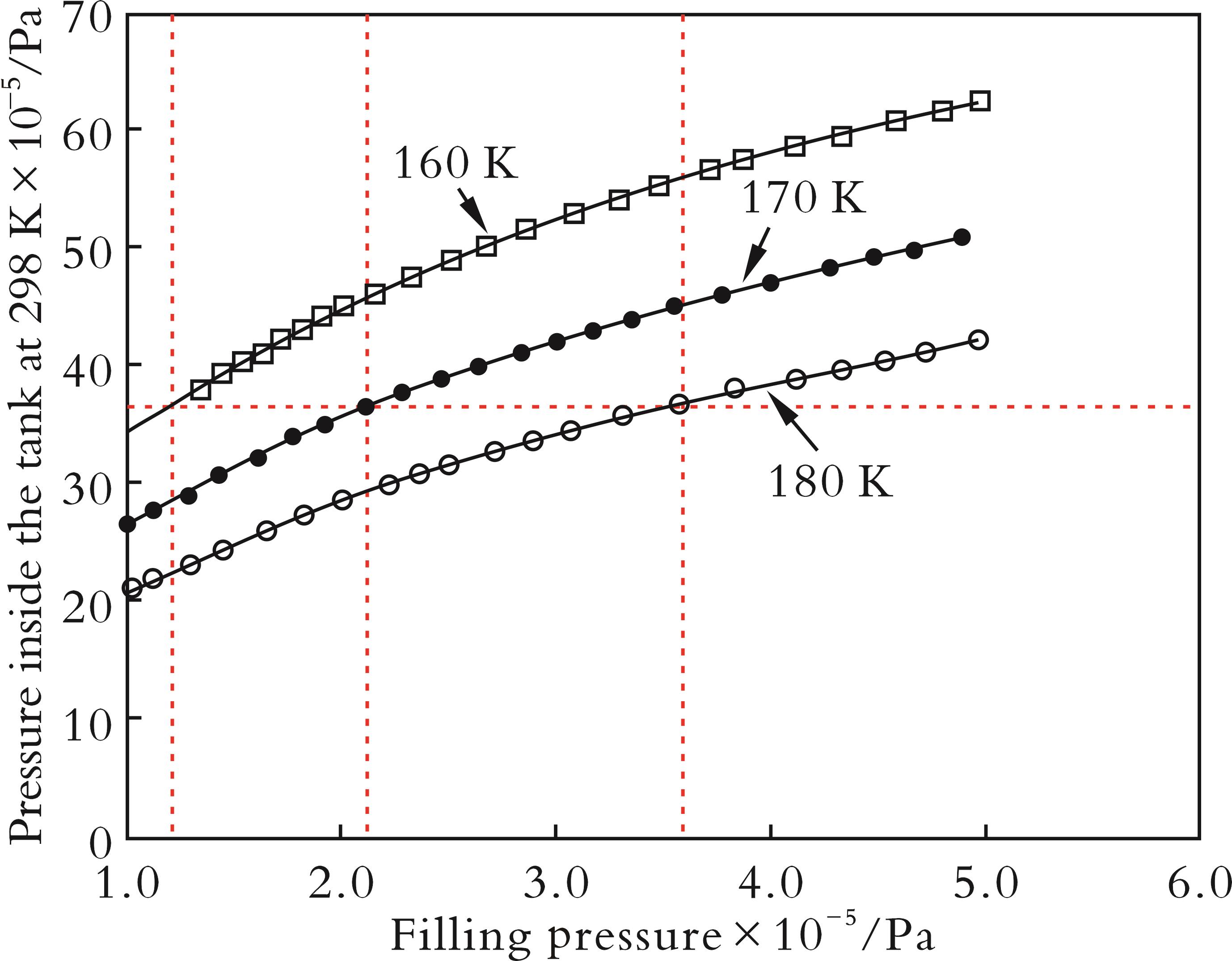
A large amount of boil-off gas (BOG) is generated during the storage and transportation of liquefied natural gas,which results in not only resource wastage but also potential safety hazards.Therefore,the liquefied natural gas-adsorbed natural gas (LNG-ANG) coupling technology has attracted increasing attention from researchers.Developing efficient and stable adsorbents is the core key to the practical application of this technology.In view of the requirements of LNG-ANG coupling technology for adsorbents, this paper summarizes the research progress of metal-organic framework materials (MOFs) in methane adsorption at low temperature (about 159 K).By comparing the advantages and limitations of adsorption at low temperatures (159 K) with at room temperature (298 K),several MOFs materials that are more conducive to the adsorption and storage of methane are listed,including flexible MOFs,highly porous MOFs,hierarchically porous MOFs and MOF composites,aiming to offer references and guidance for the practical industrial application of MOFs in LNG-ANG coupling technology.
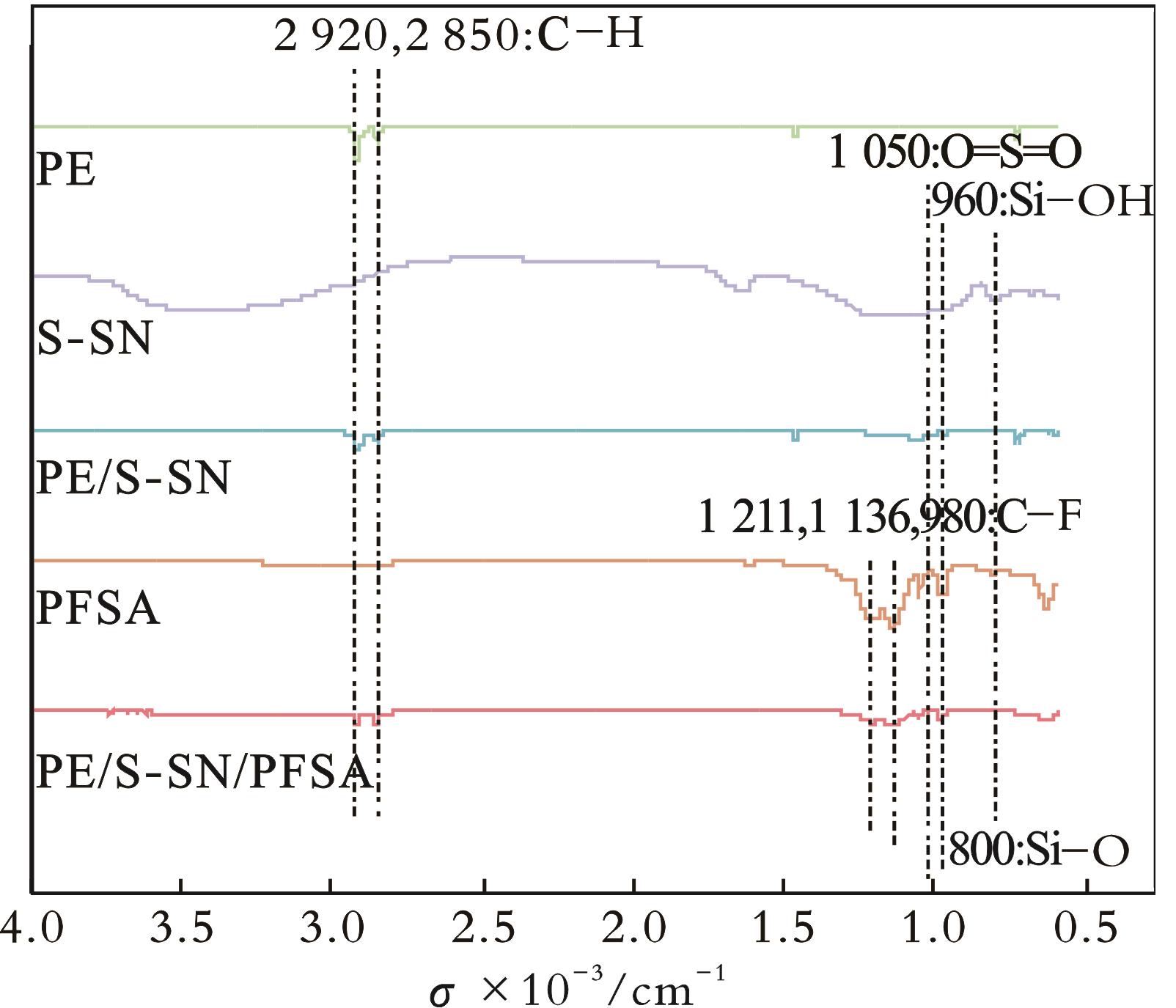
The industrialization of all-vanadium flow batteries(VFB) is currently hindered by the inherent trade-off between proton conductivity and vanadium ion rejection in ion exchange membrane materials.To address this challenge,a novel membrane architecture was innovatively proposed by constructing a composite membrane loaded with S-SN nanosheets.The performance of the composite membrane was systematically evaluated through micro-morphology characterization,physicochemical analyses including proton conduction and mechanical strength,as well as battery polarization behavior and constant-current discharge stability tests.The results demonstrate that the prepared composite membrane achieves a coulombic efficiency of 96.4% and an energy efficiency of 76.81% at a high current density of 200 mA/cm2.After 500 cycles,the membrane exhibits excellent cycling stability with a capacity retention of 74.91%.By precisely regulating the membrane structure, this innovative design successfully resolves the balance dilemma of ion-selective transport,providing a new strategy for developing cost-effective and stable energy storage membranes.
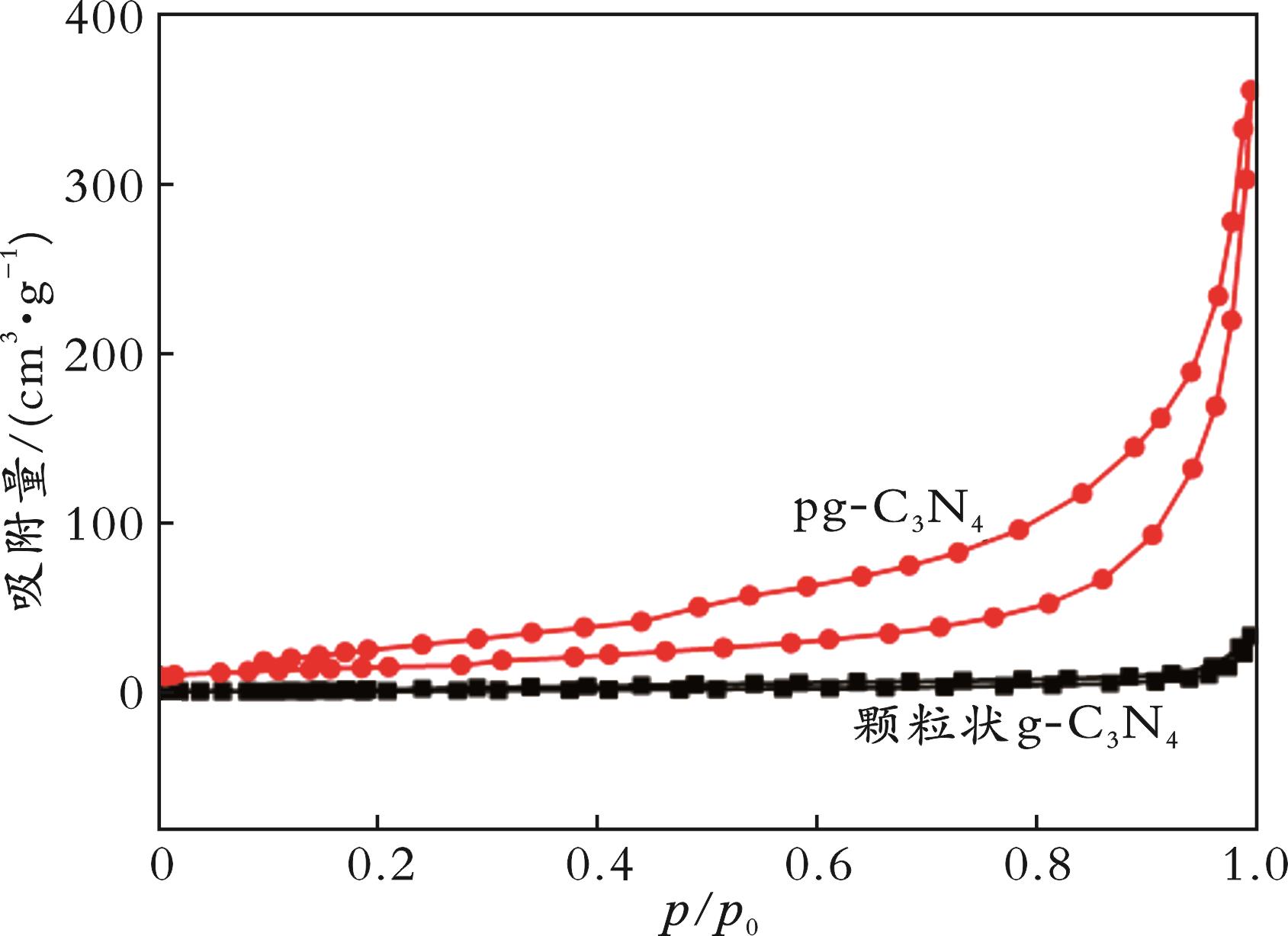
The hydrogenation process in oil fields is a crucial step for improving oil quality and reducing pollutant emissions during crude oil processing. In the context of "dual carbon", the greenization of hydrogen supply mode has become a key factor in industry transformation. The traditional hydrogen production mode has a higher carbon emission intensity and is seriously out of sync with the low-carbon development requirements of the oil and gas industry. Therefore, it is of greater practical significance to develop green and safe hydrogen production methods. This paper uses a mixture of (NH4)2S2O8 and dicyandiamide as the precursor and prepares porous g-C3N4 (pg-C3N4) through a thermal polymerization method. The microstructure, light absorption capacity, chemical structure, and crystal structure of pg-C3N4 are analyzed by TEM, XRD, DRS, and FT-IR spectroscopy. The photocatalysis hydrogen production from water splitting and the degradation of pollutants over pg-C3N4 are also investigated. The results show that the specific surface area of pg-C3N4 is approximately 49 m2/g. The results show that the specific surface area of pg-C?N? is approximately 49 m2/g. Compared with bulk g-C?N?, pg-C?N? possesses a larger specific surface area and a relatively higher separation efficiency of photogenerated electron-hole pairs, thereby significantly enhancing its performance in water splitting for hydrogen production under visible light as well as its activity in decomposing Rhodamine B (RhB). Moreover, it can maintain good performance and structural stability. This paper provides a green hydrogen production method for the development of hydrogenation processes in oil fields.
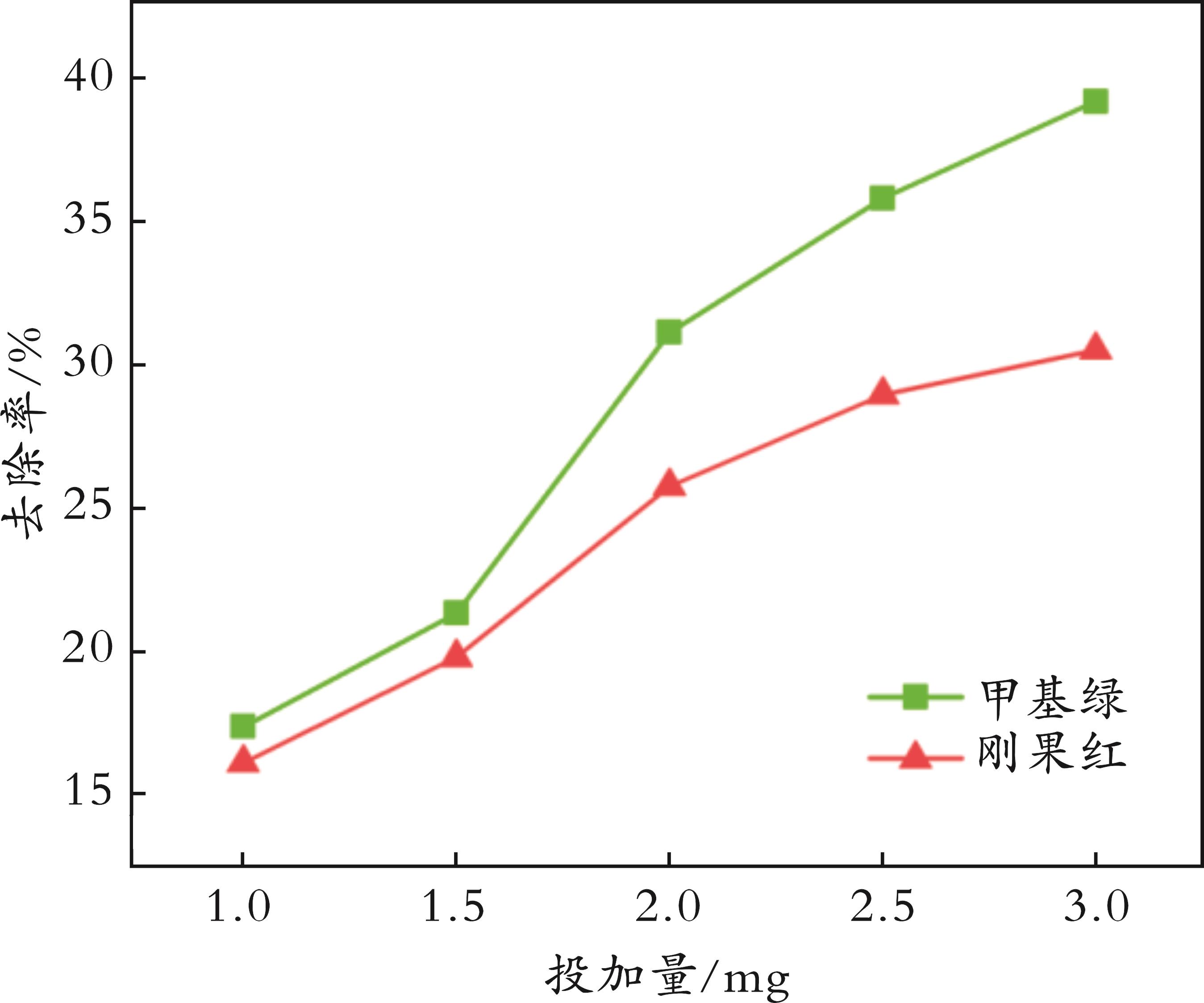
Covalent organic frameworks (COFs) are a class of crystalline porous polymers formed by linking several light elements through covalent bonds. They feature large specific surface area, excellent chemical stability, and precisely tunable pore architecture, rendering them highly promising for adsorption applications. In this work, COF-TpPa-1 demonstrated effective performance as an adsorbent for the removal of two representative organic dyes (methyl green and congo red) from aqueous solutions. Comprehensive investigations were performed to analyze the effects of various factors while examining adsorption isotherms, kinetics, and thermodynamics. The results demonstrated that the adsorption of both methyl green and congo red onto COF-TpPa-1 followed the Langmuir isothermal adsorption model, indicating a predominant monolayer adsorption mechanism.Kinetic studies showed excellent accordance with the pseudo-second-order model, indicating chemisorption as the primary adsorption mechanism. The adsorption processes of COF-TpPa-1 for both dyes were endothermic and thermodynamically spontaneous.Remarkable maximum adsorption capacities of 253.17 mg/g for methyl green and 166.39 mg/g for congo red were achieved at 313 K. Furthermore, ethanol treatment enabled efficient dye desorption and adsorbent regeneration.
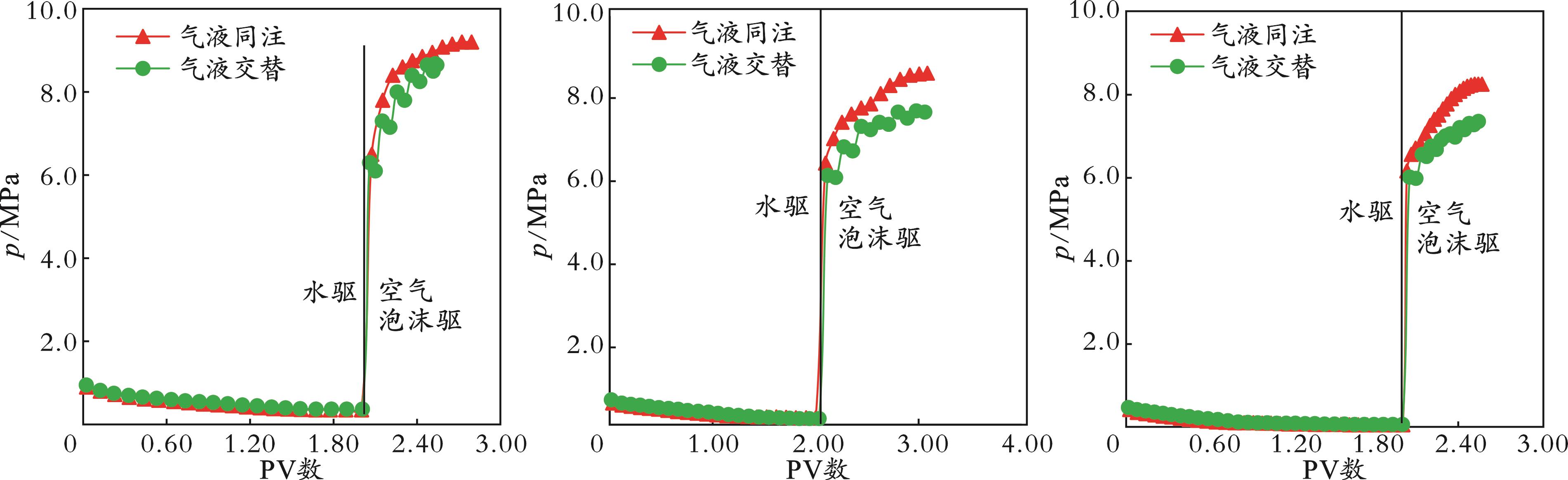
In the development process of Block G in Dagang Oilfield, the air foam flooding system exhibits favorable oil displacement performance. However, affected by factors such as foam preparation technology, gas injection volume, gas injection rate and reservoir permeability heterogeneity, gas channeling is prone to occur during oil and gas production. To explore the mechanism of gas channeling in oil reservoirs and its impacts on oil and gas field development, experiments on the oil displacement performance of air foam flooding were conducted using a Brookfield viscometer, gas chromatograph and core flooding apparatus. The experiments investigated the effects of profile control agent types, gas injection modes and reservoir heterogeneity. Corresponding effective technologies for gas channeling control were also proposed. The results show that in the air foam flooding test with heterogeneous models, foam preferentially enters high-permeability layers, which increases seepage resistance and reduces water absorption index, thus achieving excellent effects of water control and oil production enhancement. Compared with conventional air foam flooding, the injection of Cr3+ polymer gel and hydrophobic associating polymer can effectively restrain gas channeling, and further improve the oil-increasing and water-reducing performance of air foam flooding. When the injection volume of gel plugging agent is 0.20 PV, the maximum increment of oil recovery factor reaches 15.23%; when the injection volume of polymer is 0.30 PV, the maximum increment of oil recovery factor is 11.35%.
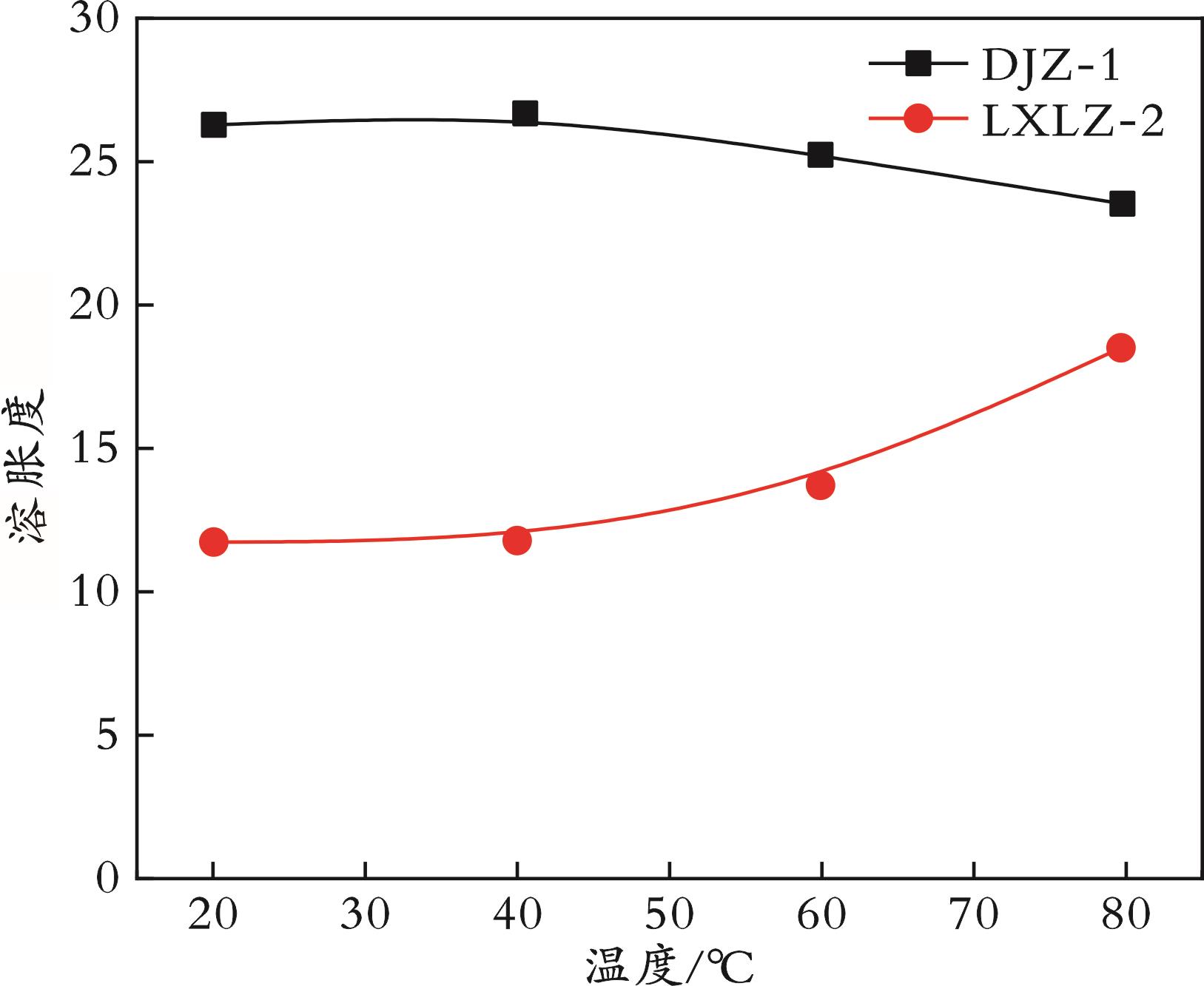
Conventional polymers fail to meet the requirements for channeling control and plugging under high temperature and high salinity conditions, creating an urgent demand for more durable materials.Two acrylamide-based preformed particle gels (PPGs): polyelectrolyte-based (DJZ-1) and polyzwitterionic-type (LXLZ-2) were synthesized for enhancing CO2 plugging efficiency. The swelling behavior of the gel was analyzed under different temperature, salinity and pH conditions using Ritger-Peppas and Yavari-Azizian models. The results indicate that the swelling degrees of DJZ-1 and LXLZ-2 in water are 56 and 18 respectively. With the rise of ionic strength, the swelling degree of DJZ-1 declines remarkably, whereas that of LXLZ-2 stays nearly constant. Changes in pH value only elevate the swelling degree of DJZ-1 and have no impact on LXLZ-2. LXLZ-1 can maintain long-term thermal stability under reservoir conditions at 120 ℃, and both systems can effectively exert the performance of PPG weak gel systems.
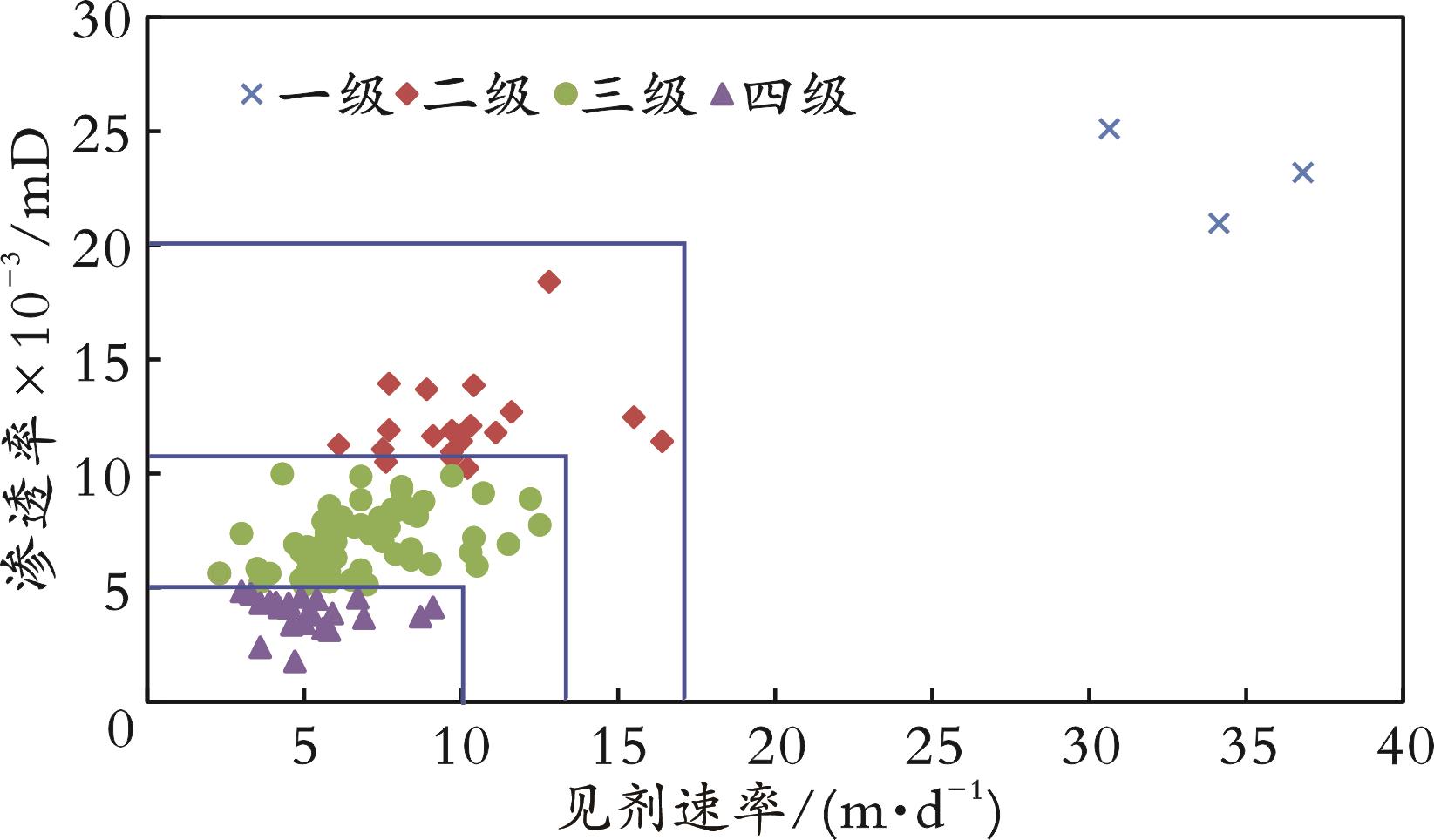
The narrow strip-shaped reservoirs in the lower member of Minghuazhen Formation in the Bonan area of the Bohai Bay Basin are characterized by diverse types of dominant flow channels,which are difficult to identify and control,severely impairing the waterflooding development effect.Based on the morphological characteristics of production curves from 112 tracer test samples,dominant flow channels were classified into four levels.By investigating the reservoir physical property parameters and production dynamic response characteristics of each level,an innovative discrimination parameter system for dominant flow channels was established,and the development degree of preferential channels was quantitatively characterized.Using a combination of statistical methods and grey relational analysis,the main controlling factors affecting dominant flow channels were quantitatively determined,and classified control countermeasures for the four levels of preferential channels were proposed.The results show that after long-term water injection development,Level Ⅲ dominant flow channels accounts for the highest proportion,reaching 59% of the total.The average interpreted permeability is 7 037 mD,and the average radius of pore roar is 16.0 μm.The main factors affecting dominant flow channels are production pressure difference and channel width,which should be carefully considered in the design and dynamic adjustment of injection-production well spacing.The research findings provide a scientific basis for formulating water control measures and conducting full-cycle optimization and evaluation of profile control and profile modification and flooding in narrow strip-shaped reservoirs.Field applications have achieved favorable effects of water cut reduction and oil production increase.
After the commissioning of gas storage facilities in edge-bottom water gas reservoirs, issues such as insufficient storage capacity and reduced peak shaving capacity often arise. In response to the differentiated vertical water invasion distribution and complex fault characteristics in block M, a differentiated water energy modeling method was adopted to simulate the impact of 3.2 to 14.0 times of water energy on the operation of the gas storage. The static evaluation of fault SGR was combined with dynamic failure prediction pressure, and the safe operation pressure of the gas storage was designed based on the "short board effect". Various well patterns were simulated and compared. Ultimately, a composite well pattern featuring "horizontal wells as the mainstay and vertical wells as a supplement" was adopted, with the deployment of 22 injection-production wells. A water control strategy of "low-speed slow injection at high structural positions" was implemented, leveraging the well pattern dominated by horizontal wells to enhance injection-production efficiency. The daily gas injection capacity of a single well reached 340 000 cubic meters, which is 2.1 times that of a vertical well. Practice has confirmed the feasibility of constructing gas storage facilities in edge-bottom water gas reservoirs, and this study provides important reference value for the optimal design of similar gas storage facilities.